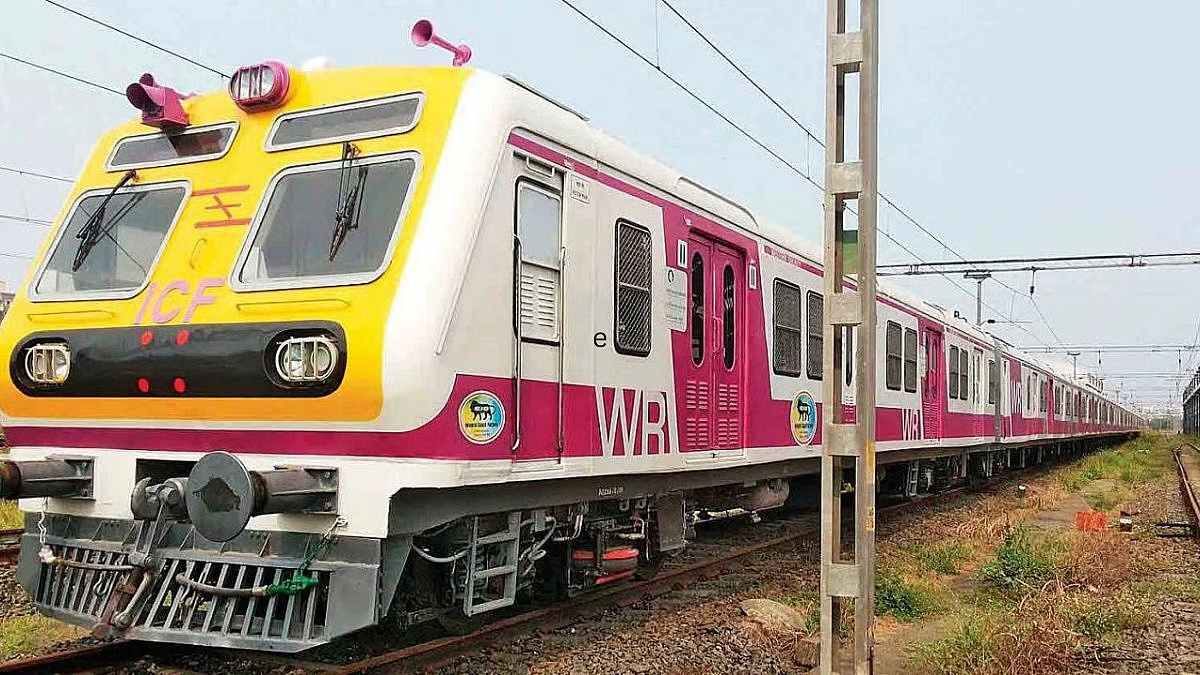
Mumbai’s suburban railway network has introduced an upgraded digital signalling assistance system across its Electric Multiple Unit train fleet, in a move aimed at strengthening operational safety and reducing human error on one of the world’s most heavily used urban transit systems. The enhanced technology, deployed across Central Railway’s suburban services, is designed to provide real-time signal location alerts to motormen operating trains through the densely packed Mumbai rail corridor. Transport experts say the initiative reflects a wider shift towards intelligent rail systems capable of improving commuter safety, operational reliability and network efficiency in rapidly growing metropolitan regions.
The Mumbai local train safety upgrade comes as suburban rail networks across India face increasing pressure from rising passenger volumes and operational complexity. Mumbai’s suburban system handles thousands of train movements daily, with signalling intervals often compressed to maintain high-frequency services during peak commuting hours. Railway engineers familiar with the project indicated that the GPS-enabled system functions as a digital support interface within the driving cabin, continuously identifying signal positions and issuing advance audio alerts before trains approach critical points on the route. The system is intended to assist drivers navigating closely spaced signals positioned across multiple alignments on the suburban corridor. Urban mobility analysts note that high-density suburban rail systems require increasingly sophisticated safety mechanisms as networks expand and service frequency intensifies. Human fatigue, visual limitations and operational stress are considered major concerns in rail corridors where train drivers manage continuous high-speed movement with minimal margin for error. The upgraded Mumbai local train safety framework is also expected to support broader railway goals aimed at reducing incidents involving Signal Passed at Danger situations, where trains unintentionally cross stop signals. Experts say predictive and real-time alert systems can substantially improve reaction time in congested operating environments.
In addition to signal announcements, railway authorities are testing new station approach alerts intended to notify motormen before arriving at scheduled halts. Officials involved in the trials believe such systems may improve braking precision and station handling consistency across suburban operations. The technology additionally enables real-time train tracking and speed monitoring, allowing railway departments to study operational patterns near speed-restricted sections, station entries and caution zones. Transport planners say data-driven monitoring tools are becoming increasingly important for preventive safety management and infrastructure planning. Urban transport researchers view investments in intelligent railway systems as a critical component of sustainable mobility planning. Reliable suburban rail networks not only support lower-carbon transportation, but also reduce dependence on private vehicles in densely populated urban corridors such as Mumbai Metropolitan Region. The move also aligns with India’s wider railway modernisation strategy, which includes network electrification, signalling upgrades, digital operations and station redevelopment. Analysts argue that suburban systems, which carry millions of daily commuters, require equal attention alongside flagship high-speed and intercity rail projects.
For Mumbai’s commuters, the long-term impact may extend beyond safety improvements. More efficient signalling and operational support systems could eventually contribute to smoother services, fewer disruptions and better punctuality across one of the city’s most essential public transport lifelines.