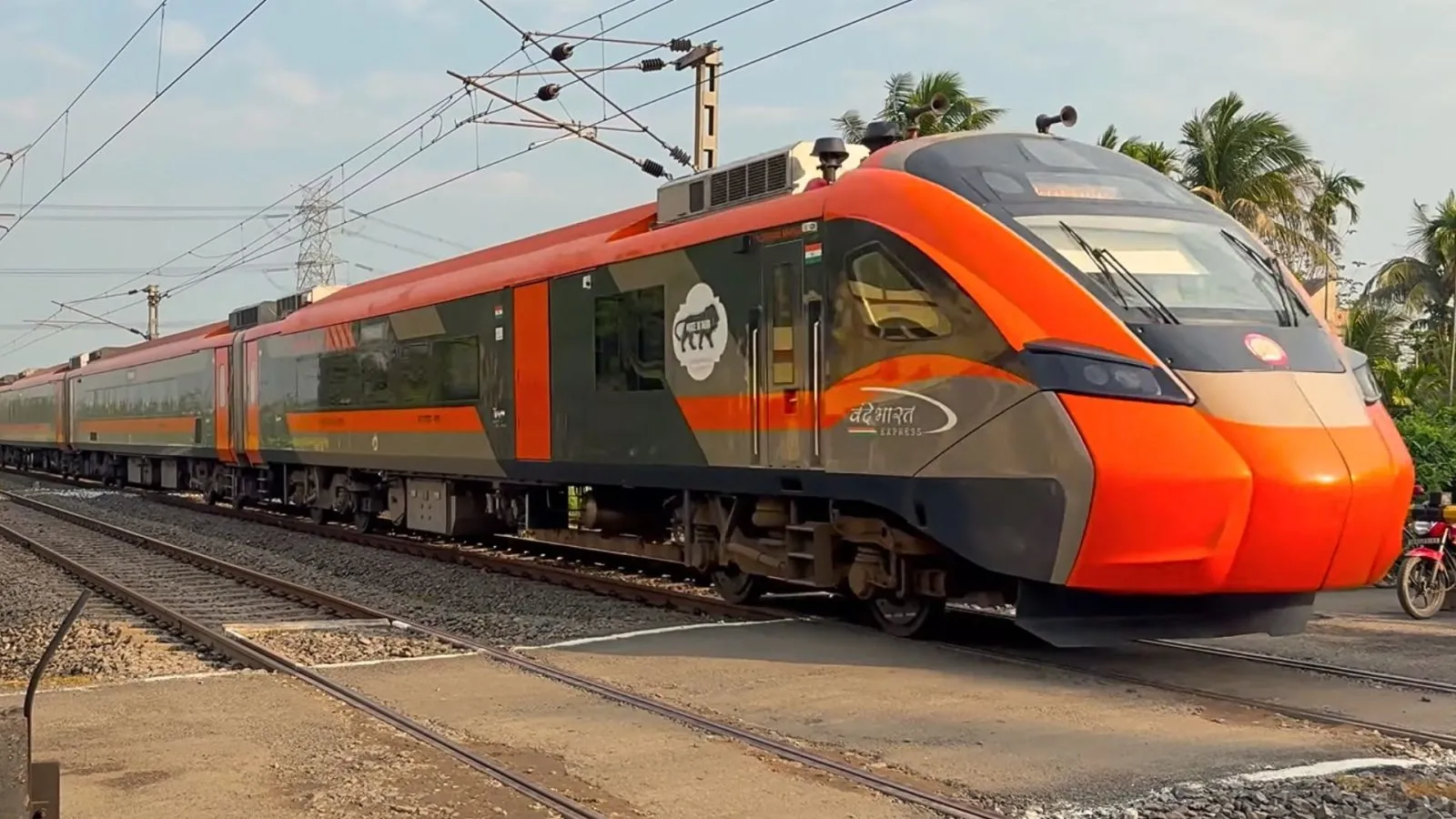
India’s railway modernization programme is set to gain another strategic intercity connection with plans for a new superfast rail service between Bengaluru and Mumbai, a corridor that links two of the country’s most influential economic and technology centres. Railway officials and transport analysts say the proposed service could improve travel efficiency, reduce journey fatigue and strengthen sustainable mobility between western and southern India. The Bengaluru Mumbai superfast train is expected to begin operations in the coming months, offering faster connectivity on one of the nation’s busiest long-distance passenger routes. The service is being planned amid rising demand for reliable rail-based transport as airfares fluctuate and highway congestion intensifies across major urban corridors.
Mobility experts believe the expansion of high-efficiency rail services is becoming increasingly important for India’s urban and regional growth strategy. Intercity rail networks not only improve accessibility for business and workforce movement, but also provide lower-emission alternatives to short-haul aviation and long-distance road travel. The Bengaluru-Mumbai corridor carries substantial passenger movement driven by information technology, manufacturing, finance, education and tourism. Frequent travel between the two metropolitan regions has accelerated over the past decade as both cities expanded their economic influence and suburban growth boundaries. Transport planners say improved rail connectivity can support more balanced regional development by strengthening access between secondary urban centres located along the route. Faster train services also tend to improve labour mobility, business interaction and tourism flows without proportionately increasing pressure on road infrastructure. According to officials familiar with the project, the Bengaluru Mumbai superfast train is expected to feature upgraded passenger amenities, improved onboard comfort systems and operational enhancements aimed at reducing travel time while improving reliability. Indian Railways has been steadily modernising long-distance travel through electrification, coach upgrades, digital passenger systems and station redevelopment initiatives.
Urban infrastructure analysts note that rail transport remains one of the most energy-efficient mass mobility systems available for rapidly urbanising economies. Expanding faster intercity train services could help reduce dependence on private vehicles and domestic flights, particularly on heavily travelled routes connecting major employment hubs. The proposed launch also aligns with broader national investments in railway infrastructure transformation, including semi-high-speed corridors, dedicated freight systems and integrated station redevelopment projects. Experts argue that strengthening conventional rail services alongside high-speed rail ambitions is essential to maintaining affordable and inclusive public transport access. Passenger expectations have also evolved significantly in recent years, with travellers increasingly prioritising punctuality, digital convenience, cleanliness and travel comfort. Railway authorities are under growing pressure to compete with aviation networks not only on affordability, but also on service quality and reliability.
For Mumbai and Bengaluru, the new rail connection could further deepen economic integration between two metropolitan regions that already serve as major centres for finance, technology, logistics and industrial investment. Urban policy experts believe future infrastructure planning will increasingly depend on sustainable, multimodal transport systems capable of supporting both economic productivity and climate-conscious mobility. As India’s cities continue expanding outward, faster and more efficient rail networks are expected to play a central role in shaping lower-carbon regional connectivity over the coming decade.