Mumbai Infrastructure Projects Redefine City Movement Patterns
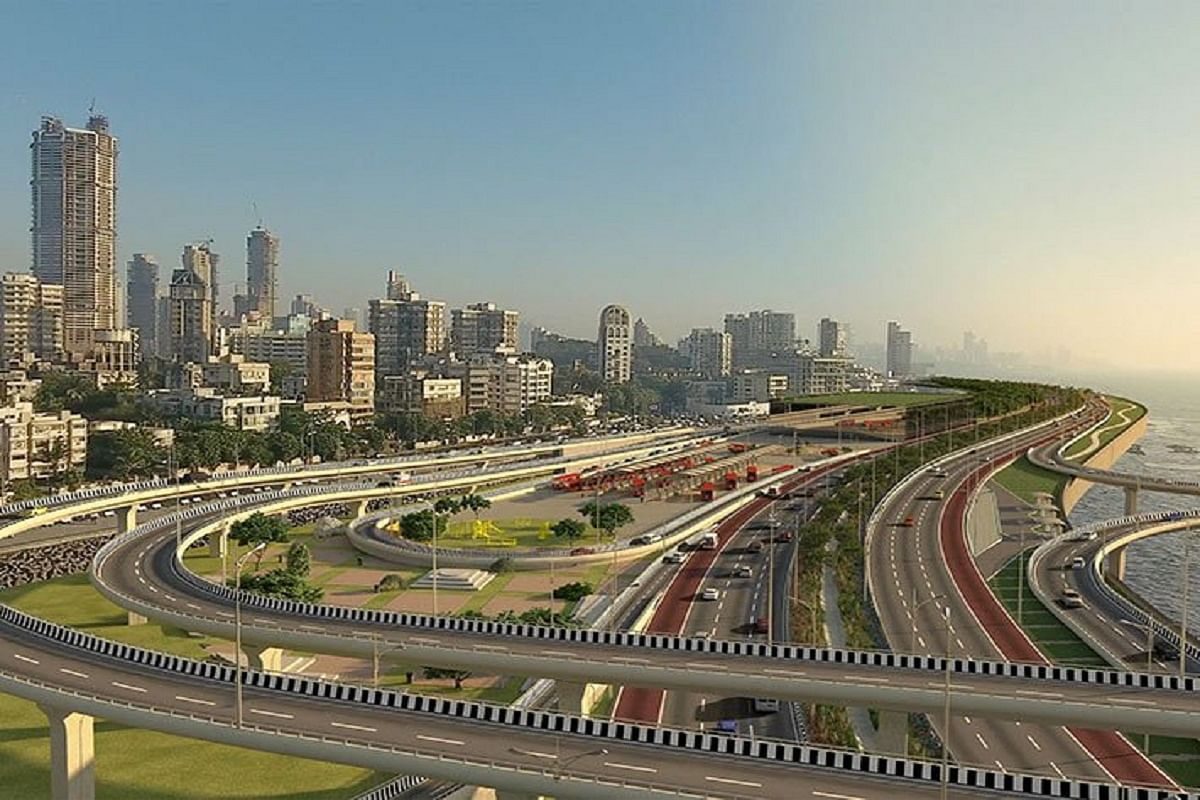
Mumbai is entering a decisive phase of large-scale transformation, with an unprecedented pipeline of transport, real estate, and coastal infrastructure projects reshaping how the city expands and functions. This wave of Mumbai infrastructure investment is altering mobility patterns, unlocking new growth corridors, and influencing land use across the metropolitan region—while also raising critical questions around access, environmental resilience, and social equity. Across the city, major projects are converging to create a more connected urban system. New metro corridors, trans-harbour connectivity, and coastal road networks are reducing travel times between key economic zones. Emerging links between existing and upcoming airports, along with port-led development in the wider region, are expected to strengthen Mumbai’s position as a logistics and financial hub.
Urban planners say this integrated approach could rebalance development away from historically congested districts. Peripheral areas such as Navi Mumbai, Thane, and parts of Raigad are increasingly being positioned as extensions of the city’s economic core. Improved accessibility is already influencing real estate demand, with property values rising along transit corridors and near infrastructure nodes. At the same time, housing redevelopment is being pursued at scale. Projects aimed at transforming dense informal settlements into planned neighbourhoods are expected to introduce formal housing, commercial activity, and social infrastructure. However, experts caution that such transitions must protect existing livelihoods, particularly in areas where informal economies contribute significantly to the city’s output. Despite the momentum, the benefits of Mumbai infrastructure expansion remain unevenly distributed. Transport economists highlight a growing divide between subsidised suburban rail systems and higher-cost metro networks, which may limit accessibility for lower-income commuters. First- and last-mile connectivity gaps further complicate adoption, often adding hidden costs to otherwise efficient transit systems.
Environmental considerations are also becoming central to the debate. Coastal reclamation, tree loss, and pressure on wetlands and mangroves have triggered concerns among ecologists and citizen groups. These natural systems play a critical role in flood mitigation and climate resilience, particularly in a city already vulnerable to rising sea levels and extreme rainfall events. Infrastructure experts argue that engineering solutions alone cannot address these risks. Integrating blue-green infrastructure—such as wetlands restoration, permeable surfaces, and urban green spaces—into planning frameworks will be essential to safeguard long-term sustainability. The proposed redevelopment of large open tracts within the city has further intensified discussions on balancing public access with ecological function. Social implications are equally significant. Large projects have led to relocation of communities, often to peripheral areas with limited access to jobs and services. Analysts note that without inclusive planning, infrastructure-led growth could deepen spatial inequalities rather than reduce them.
As Mumbai positions itself within a global economic framework, the scale of ambition is clear. Yet, the trajectory of Mumbai infrastructure development will depend on how effectively it integrates mobility, housing, environment, and equity into a cohesive urban strategy—one that not only accelerates growth but ensures the city remains liveable and resilient for its diverse population.