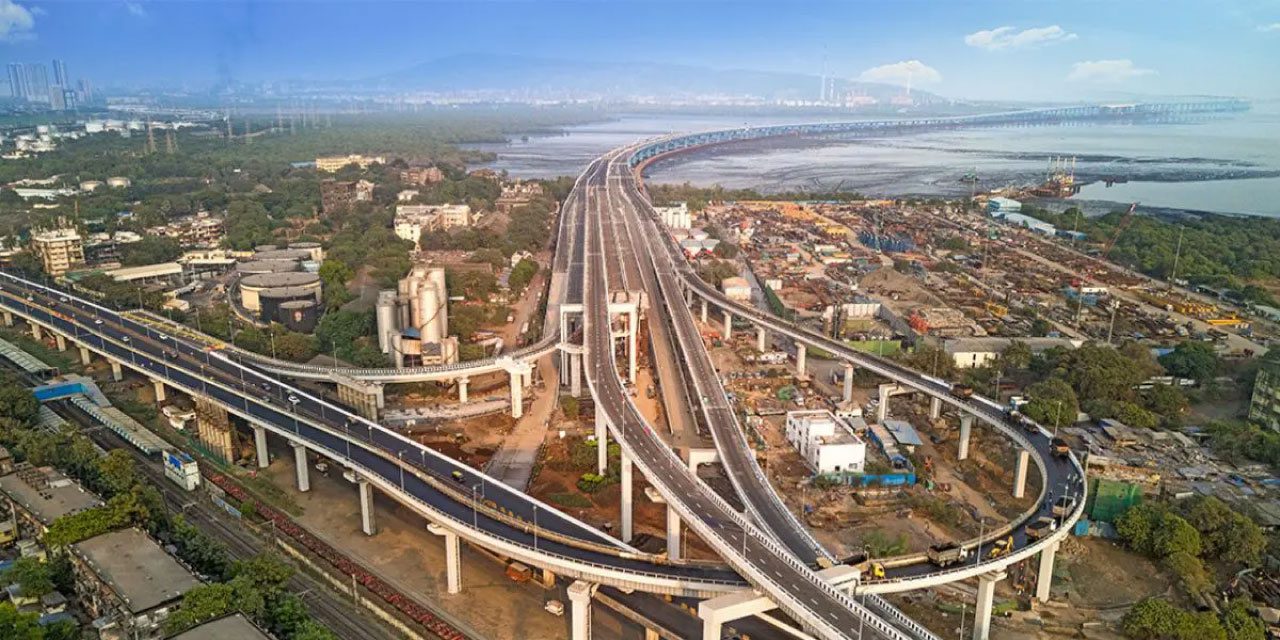
The rollout of the Mumbai 3.0 project has entered an early execution phase, with regional planners consolidating over 200 acres of land in the Raigad growth corridor. The move signals a shift in how large-scale urban expansion is being negotiated, with authorities relying on a participatory framework rather than traditional acquisition methods to unlock land for future development. Located in the Pen belt of Raigad district, the identified land parcels form part of a proposed new urban cluster envisioned as an economic extension to the Mumbai Metropolitan Region. Officials indicate that this aggregation marks a foundational step in building a planned township that could ease development pressure on the island city while opening up new zones for investment and employment.
What distinguishes this phase of the Mumbai 3.0 project is its reliance on landowner participation. Instead of a single compensation route, stakeholders have been offered a mix of options—ranging from direct monetary settlement to development-linked incentives such as transferable development rights and land pooling arrangements. In some cases, land contributors are expected to receive a portion of serviced plots in return, aligning their interests with long-term value creation. Urban policy analysts suggest that such hybrid land models could reduce delays typically associated with compulsory acquisition, particularly in peri-urban regions where fragmented ownership often complicates infrastructure rollout. However, they also caution that transparency in valuation and timely delivery of promised returns will be critical to maintaining trust among participating communities. The Raigad corridor is being positioned as a strategic node, benefiting from proximity to major infrastructure investments including a trans-harbour link, a new international airport, and a proposed multi-modal transport route.
These linkages are expected to improve accessibility and integrate the emerging zone with existing economic centres, potentially attracting sectors such as technology services, logistics, and advanced manufacturing. Beyond economic aspirations, planners highlight the need to embed sustainability into the design of such greenfield developments. Experts argue that new townships offer a rare opportunity to integrate low-carbon mobility, water-sensitive planning, and climate-resilient infrastructure from the outset—lessons that older parts of Mumbai have had to retrofit at higher cost. The project is also expected to generate a substantial employment base, both directly within planned commercial districts and indirectly through construction and allied sectors. Yet, urban researchers emphasise that job creation must be accompanied by inclusive housing and social infrastructure to avoid replicating spatial inequalities seen in other metropolitan expansions.
As groundwork progresses, attention is likely to shift towards execution timelines, environmental clearances, and the delivery of basic services. The success of the Mumbai 3.0 project will ultimately depend not just on land aggregation, but on whether it can translate into a balanced, accessible, and climate-conscious urban ecosystem for a rapidly growing region.