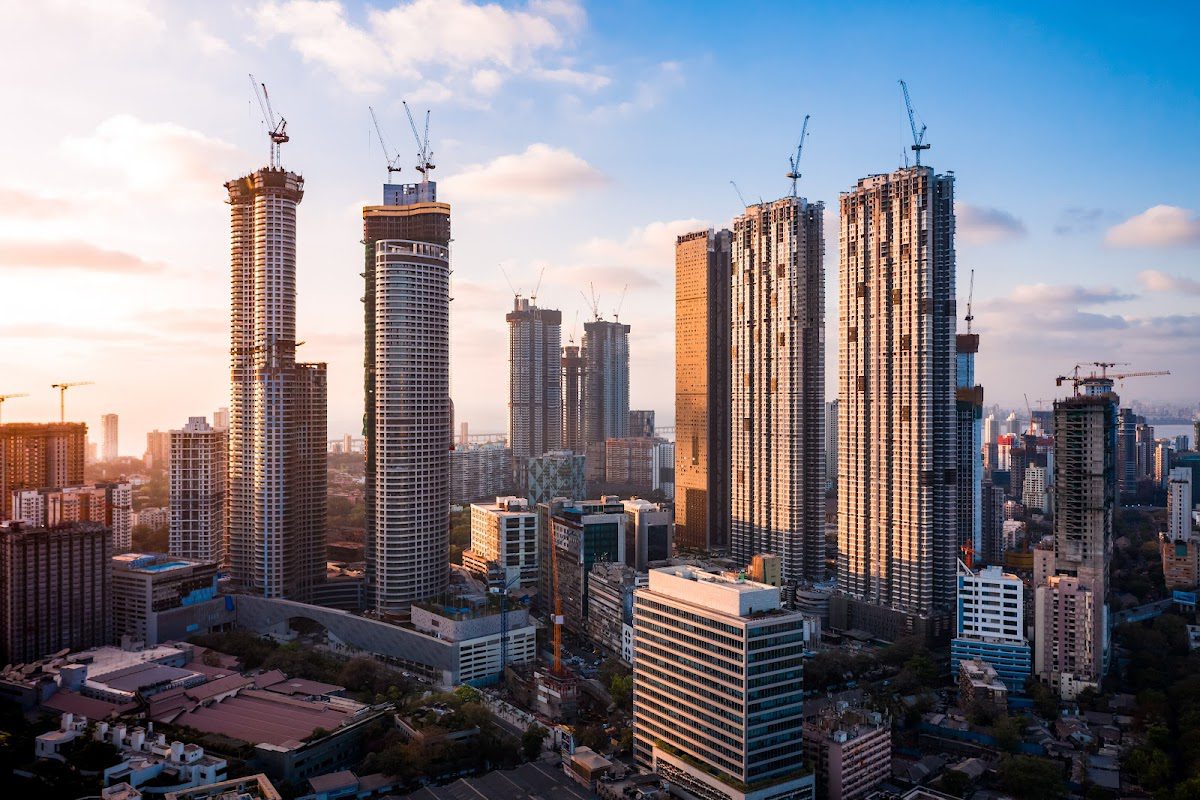
Mumbai Redevelopment Sees Some Residents Not Returning
The city’s ongoing housing transformation through Mumbai redevelopment is not only upgrading ageing buildings but also quietly reshaping where and how people choose to live. While most residents return to their rebuilt homes after projects conclude, a small yet visible segment is opting to stay away highlighting deeper shifts in affordability, lifestyle preferences, and urban liveability.
Under typical Mumbai redevelopment agreements, residents vacate their homes for several years while developers reconstruct buildings with improved layouts and amenities. During this interim, households receive rental compensation, allowing them to relocate sometimes within the same neighbourhood, but increasingly to peripheral areas or even other cities. What begins as a temporary move often evolves into a more permanent transition.Urban planners note that extended project timelines, often spanning three to five years, create space for behavioural change. Families adapt to new commutes, schooling systems, and community networks. In some cases, lower living costs, reduced congestion, and improved environmental conditions outside Mumbai make relocation more appealing than returning to dense urban cores.
Industry estimates suggest that a portion of homeowners typically around a quarter in some projects choose to exit early by selling their units to developers. Among those who stay invested through construction, the overwhelming majority return. However, a small share reassesses their decision after completion, particularly if their interim relocation has improved their quality of life.This trend also reflects broader questions about Mumbai’s urban form. Redeveloped properties often deliver larger apartments and modern infrastructure, yet they remain embedded in neighbourhoods grappling with traffic congestion, limited open space, and strained civic services. For some households, especially retirees or those with flexible work arrangements, smaller cities offer cleaner environments and a slower pace of life.Conversely, for many residents, redevelopment remains a pathway to upward mobility within the city. Upgraded housing stock, enhanced safety features, and better utilisation of scarce land continue to make such projects attractive. Key micro-markets in the western suburbs are emerging as major hubs of this activity, driven by redevelopment potential and land scarcity elsewhere.
Data from sector analysts indicates that tens of thousands of homes are expected to be added through redevelopment in the coming years, contributing significantly to local revenues through taxes and duties. Yet, the uneven pace of projects across the city underscores persistent challenges fragmented land ownership, regulatory hurdles, and high costs in older precincts.The emerging pattern suggests that Mumbai redevelopment is no longer just a real estate mechanism but a catalyst for demographic redistribution. As cities across India grapple with sustainability and liveability concerns, the choices made by these households point to a growing demand for less congested, more climate-resilient urban environments. Going forward, policymakers may need to look beyond building upgrades to address broader urban quality ensuring that redevelopment aligns with greener infrastructure, accessible public spaces, and inclusive growth. Without such alignment, the city risks upgrading its buildings while gradually losing residents to more liveable alternatives.