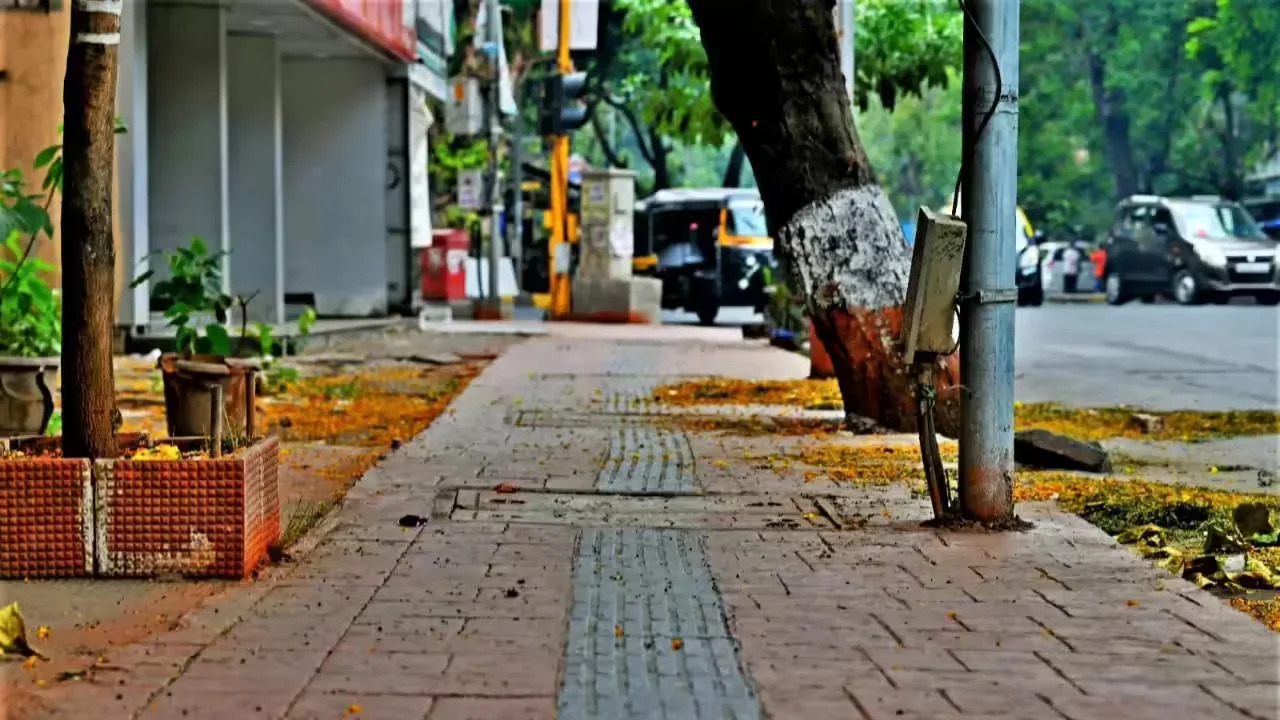
BMC is preparing a dedicated 27-vehicle fleet to support daily footpath enforcement across Mumbai, with a proposed one-year contract worth about ₹3.12 crore. The plan comes as the civic body expands action against encroachments on pedestrian routes, particularly around busy roads and railway stations. With nearly 197 km of footpath space reported cleared in the first phase, the next challenge is ensuring that reclaimed public space remains accessible rather than becoming a recurring enforcement problem. The proposed fleet would provide 9,855 vehicle shifts over 12 months, with each vehicle assigned a 12-hour daily shift. The vehicles are intended to support the License Department’s enforcement teams across municipal wards, allowing operations to continue more consistently at locations where pedestrian movement is regularly disrupted.
The financial proposal is scheduled for consideration by the civic standing committee on September 2. The estimated contract value includes a 4% contingency. The lowest tender quote was ₹3,050 per shift, matching the civic estimate, while interim work of up to ₹50 lakh has been approved to avoid a break in enforcement. The move comes against a wider push to restore walking space. During the first phase of the BMC pedestrian drive, officials have taken up 134 of 200 identified footpaths and reported action at 1,459 locations across Mumbai’s 26 administrative wards. The cleared stretch is estimated at nearly 197 km.
The scale of the operation highlights a larger urban-management issue. Clearing an obstruction is only the first step; footpaths also need continuous maintenance, accessible design and clear boundaries between vending, parking, traffic and walking space. Urban planners note that enforcement works better when accompanied by designated vending areas and predictable rules, particularly for livelihoods that depend on high-footfall locations. Railway station zones are receiving particular attention. In the eastern suburbs, 13 roads in Mulund have been identified for clearance, while plans call for 94 hawking stalls near Bhandup station and 77 near Kanjurmarg station to be relocated. In S Ward, around 20.50 km of footpaths across 14 roads are being targeted for improvement.
For commuters, the significance is practical. Continuous footpaths can reduce conflicts between pedestrians and vehicles, improve access to public transport and make short journeys safer for older people, children and people with mobility difficulties. For Mumbai, the effectiveness of the BMC pedestrian drive will ultimately depend less on the number of vehicles deployed than on whether enforcement is followed by durable, inclusive street management.