Indore Metro Expansion Gains With Advanced TBM Deployment
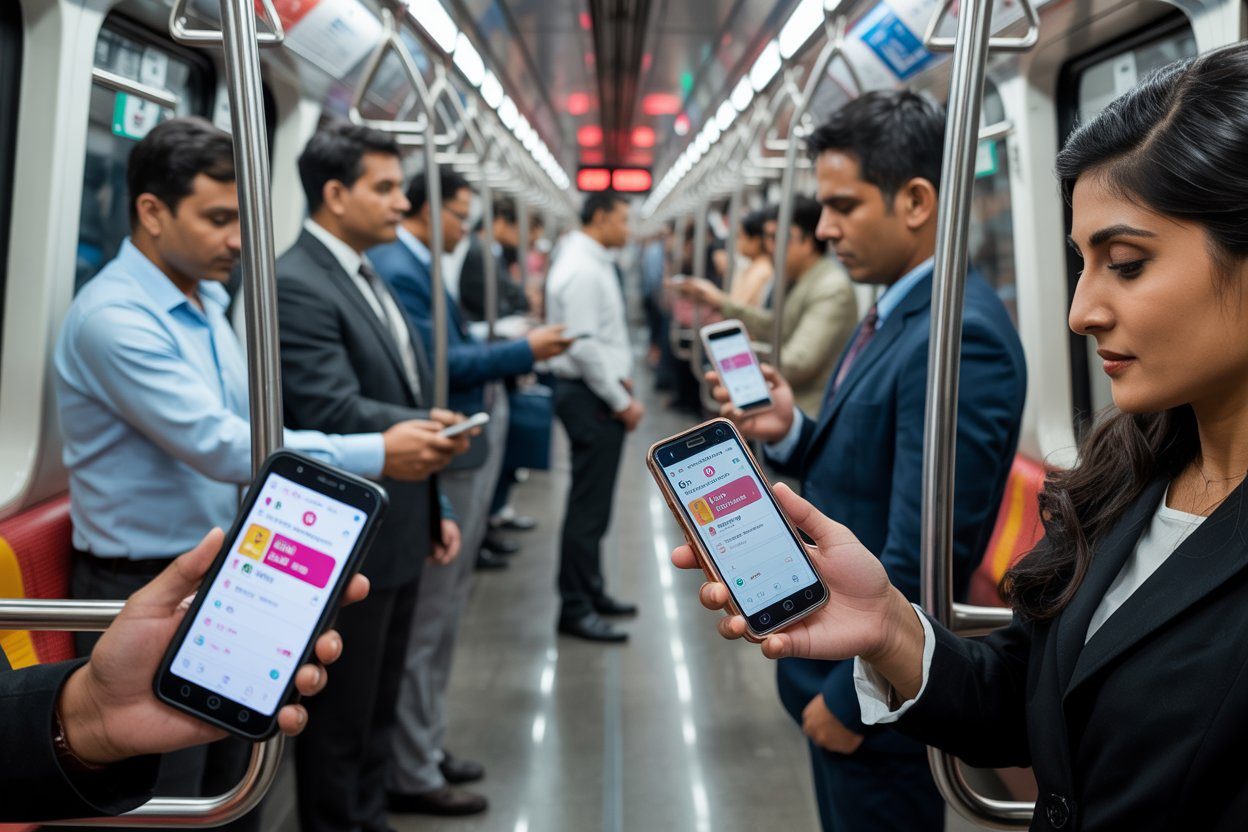
Mumbai’s urban transit ecosystem is experimenting with new ways to make daily commuting more affordable, as a digital rewards system is rolled out on a key metro corridor. The newly introduced Mumbai Metro cashback feature connects everyday online spending with travel benefits, offering passengers a chance to offset a portion of their commuting costs through app-based incentives. The initiative allows users to earn small cashback amounts on purchases made through select e-commerce platforms, which can then be applied towards metro travel or transferred to personal accounts. Designed as part of a broader push towards digital engagement, the system reflects an emerging trend where mobility services intersect with consumer technology to enhance user value.
Transport analysts say such models are increasingly relevant in cities like Mumbai, where the cost of daily travel can form a significant share of household expenditure. While metro systems offer faster and more predictable journeys compared to road-based transport, fare levels are often higher than heavily subsidised suburban rail networks. By introducing incentives like the Mumbai Metro cashback feature, operators may be attempting to bridge this affordability gap, particularly for regular commuters. The move also signals a shift towards integrated digital ecosystems within public transport. Over the past few years, metro services in Mumbai have incorporated QR-based ticketing, mobile applications, and contactless payment systems. Adding a rewards layer builds on this digital infrastructure, encouraging greater adoption of cashless transactions while potentially increasing ridership loyalty. Urban mobility experts note that while such incentives can improve commuter experience, their long-term impact will depend on scale and inclusivity.
Cashback models typically benefit users who are already active in online marketplaces, which may exclude sections of the population with limited digital access. Ensuring that fare policies remain equitable across income groups will remain a critical challenge for transport authorities. rom a sustainability perspective, enhancing metro usage aligns with broader goals of reducing congestion and lowering emissions in dense urban centres. Encouraging a shift from private vehicles to mass transit is central to building low-carbon mobility systems, and financial incentives—however modest—can play a role in influencing commuter behaviour. There are also implications for the wider urban economy. By linking mobility with digital commerce, the Mumbai Metro cashback feature creates a hybrid value chain that connects retail activity with public transport usage. Industry observers suggest that such models could evolve further, integrating local businesses, transit-oriented retail, and service ecosystems around metro networks.
For commuters, the immediate benefit lies in incremental savings and added convenience. However, the broader success of the initiative will depend on how effectively it complements core service improvements such as frequency, last-mile connectivity, and seamless interchange with other modes of transport. As cities continue to digitise their transport systems, initiatives like this highlight a growing effort to rethink not just how people move, but how urban services deliver value in increasingly interconnected ways.