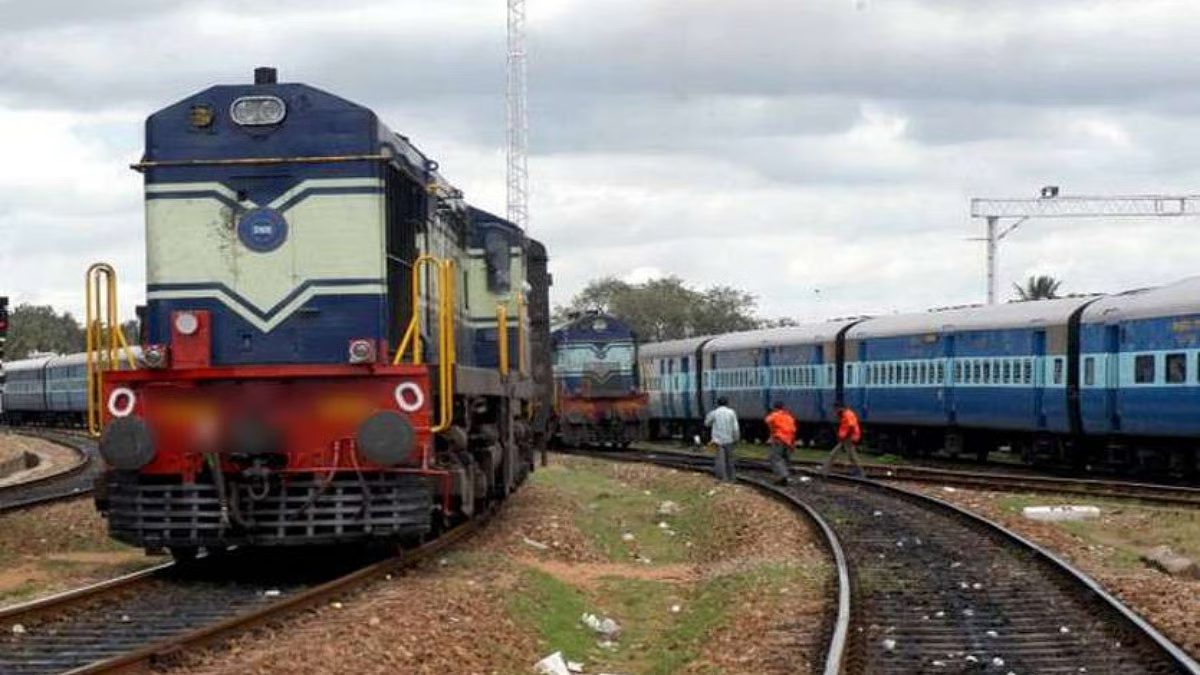
A long-awaited rail link between central India and the country’s financial capital has been stabilised, with the Rewa Mumbai train service moving to a permanent schedule from late April. The shift from limited or seasonal operations to a regular timetable is expected to improve connectivity for passengers and businesses across the Vindhya region, offering more predictable travel options to one of India’s busiest economic centres. Railway officials indicate that the decision follows sustained demand from residents and trade groups who have faced inconsistent services for years. The absence of a dependable direct connection often meant longer travel times, multiple transfers, and higher costs, particularly for those travelling for work, healthcare, or education. The formalisation of the Rewa Mumbai train service is therefore seen as a step towards addressing regional mobility gaps.
Transport economists note that reliable rail connectivity plays a critical role in linking smaller urban centres to metropolitan economies. By providing a direct corridor to Mumbai, the service is likely to support labour mobility, enabling workers to access employment opportunities while maintaining ties to their home region. It could also facilitate the movement of goods, especially for small and medium enterprises that rely on cost-effective logistics. From a regional development perspective, the move aligns with broader efforts to strengthen infrastructure in Madhya Pradesh. Improved rail access can stimulate economic activity in under-connected districts by attracting investment, enhancing tourism flows, and supporting local industries. Experts suggest that such connections are essential for decentralising growth and reducing pressure on megacities by enabling more balanced regional development. The environmental dimension is also relevant. Rail transport remains one of the more energy-efficient modes of long-distance travel, offering a lower carbon footprint compared to road or air alternatives.
Expanding and regularising rail services can therefore contribute to more sustainable mobility patterns, particularly as passenger demand continues to rise across India. For daily commuters, the immediate benefit lies in certainty. A fixed schedule reduces the unpredictability associated with special or temporary trains, allowing passengers to plan journeys with greater confidence. This is particularly important for those with time-sensitive travel needs, including patients seeking medical care in larger cities and students commuting for examinations or admissions. Urban planners, however, point out that connectivity gains must be supported by last-mile infrastructure at both ends of the route. Efficient integration with local transport systems, affordable ticketing, and adequate station facilities will determine how effectively the service meets public needs.
As the Rewa Mumbai train service becomes a permanent feature of the rail network, attention is likely to turn towards capacity, frequency, and service quality. The broader challenge will be ensuring that such connectivity initiatives continue to evolve in a way that supports inclusive growth while strengthening sustainable transport systems across regions.