Surat airport growth outpaces flight connectivity constraints
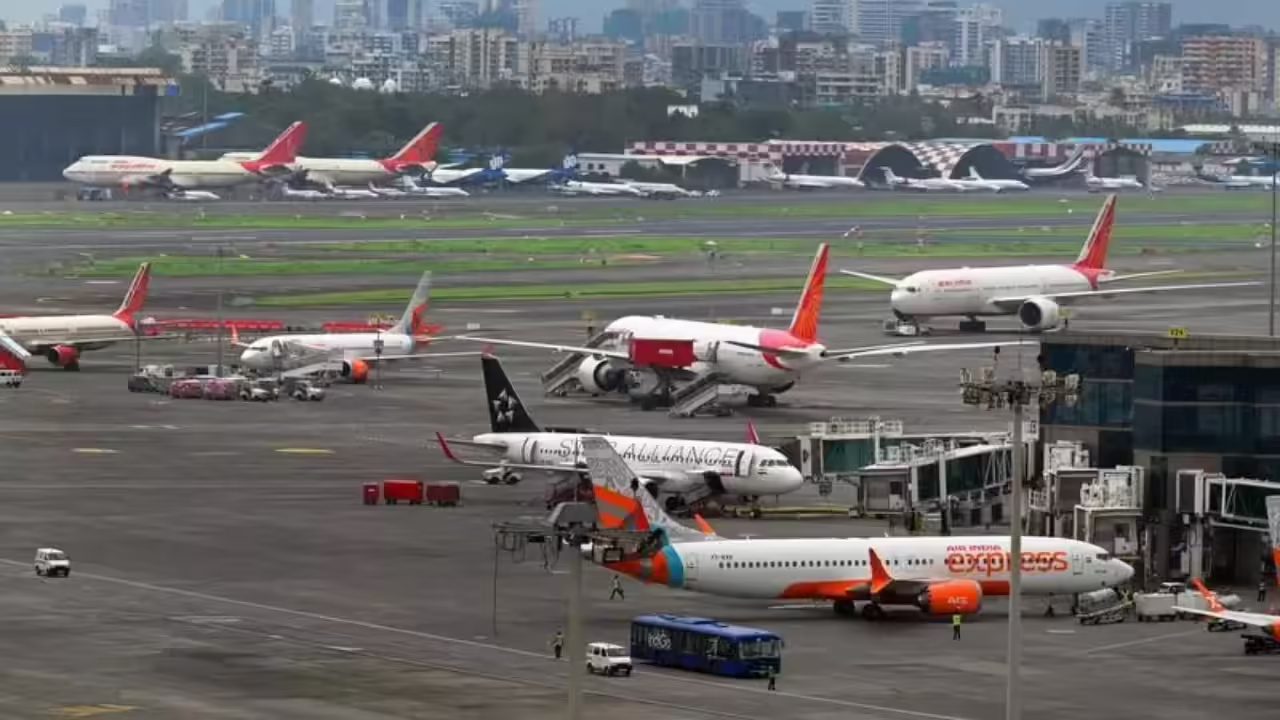
Flight operations at Mumbai airport will be temporarily halted for a six-hour window in early May as authorities undertake scheduled runway maintenance ahead of the monsoon season. The planned shutdown, covering late morning to afternoon hours, will affect both runways at the city’s primary aviation hub, requiring airlines to adjust schedules and manage passenger movement in advance. The maintenance exercise is part of an annual pre-monsoon preparedness cycle aimed at ensuring the safety and durability of critical airside infrastructure. Runways, which endure constant stress from heavy aircraft movements and weather exposure, require periodic inspection to identify surface fatigue, cracks, and drainage issues that could worsen during intense rainfall.
Aviation planners indicate that early coordination with airlines has been central to minimising disruption. Flight schedules have been recalibrated over several months, allowing carriers to reslot services, reduce congestion during peak periods, and avoid last-minute cancellations. Even so, passengers are expected to experience changes in departure and arrival timings, highlighting the operational sensitivity of one of India’s busiest airports. The temporary suspension at Mumbai airport also reflects a broader challenge faced by high-density urban aviation systems. With limited runway capacity and constrained expansion possibilities, maintenance windows must be carefully timed to balance safety requirements with uninterrupted connectivity. In cities like Mumbai, where air traffic demand continues to grow, even short closures can have cascading effects across national and international networks. From an infrastructure perspective, such interventions are critical to climate resilience.
The monsoon season places significant strain on airport systems, particularly in coastal regions prone to waterlogging and reduced visibility. Ensuring runway integrity, effective drainage, and friction control becomes essential not only for operational efficiency but also for passenger safety. Urban development experts note that aviation infrastructure plays a key role in regional economic ecosystems. Disruptions, even temporary ones, can influence business travel, cargo movement, and tourism flows. However, they emphasise that preventive maintenance is a necessary trade-off, reducing the risk of unplanned closures or safety incidents during peak weather conditions. The scheduled works also underline the importance of long-term capacity planning. With passenger volumes steadily rising, the integration of additional aviation infrastructure—such as secondary airports and improved multimodal connectivity—will be vital to easing pressure on existing facilities. This aligns with broader efforts to distribute air traffic more evenly across the metropolitan region.
For travellers, the immediate focus remains on planning ahead. Authorities have advised passengers to check updated flight schedules and allow additional time for airport procedures during the affected period. While the disruption is limited in duration, it serves as a reminder that maintaining complex urban infrastructure requires periodic pauses to ensure long-term reliability.