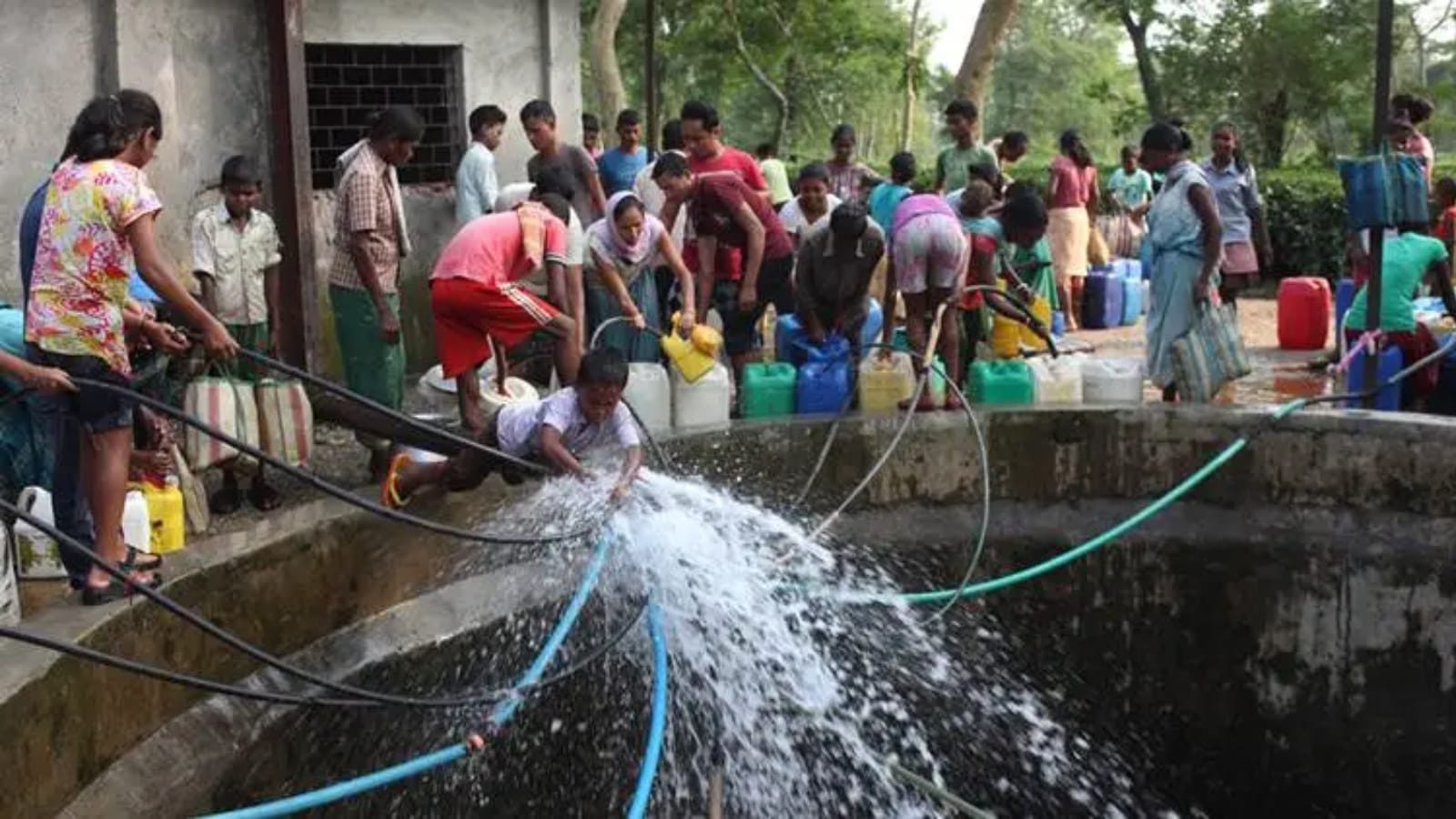
Thane is turning to its historical water systems to address recurring shortages, with civic authorities reviving disused wells to supplement the city’s supply network. The Thane well revival initiative, currently focused on high-demand areas such as the Majiwada-Manpada belt, aims to provide a decentralised and climate-resilient solution to urban water stress. The programme involves restoring ageing wells through desilting, structural repairs, and the installation of modern filtration systems. These water sources, once abandoned or underutilised, are being reconnected to local supply networks after undergoing purification processes designed to meet potable standards. Early-stage implementation in select neighbourhoods is already contributing to localised water availability.
Officials estimate that a network of rejuvenated wells could collectively generate over a million litres of treated water per day, partially bridging supply gaps in rapidly growing residential and commercial zones. The Majiwada-Manpada corridor, which has seen accelerated real estate development in recent years, has been particularly vulnerable to supply fluctuations and seasonal shortages. Urban water experts highlight that the Thane well revival model represents a shift towards decentralised resource management. Instead of relying solely on distant reservoirs and bulk transfer systems, cities are increasingly exploring local water bodies to enhance resilience. Reviving natural aquifers and springs not only diversifies supply but also reduces pressure on centralised infrastructure during peak demand periods. The initiative also integrates sustainability features. Solar-powered systems have been installed to operate treatment units, reducing dependence on grid electricity and lowering operational costs. Protective measures such as covered structures and waste barriers are being introduced to prevent contamination, addressing long-standing concerns around the safety of open wells in urban environments.
From an environmental standpoint, restoring wells can contribute to groundwater recharge and improve local hydrological balance. Experts note that such interventions, if scaled carefully, can complement broader strategies like rainwater harvesting and wetland conservation—critical in a region facing increasing rainfall variability and urban flooding risks. However, challenges remain. Ensuring consistent water quality, maintaining infrastructure, and managing equitable distribution will be key to the long-term success of the Thane well revival effort. Urban planners caution that decentralised systems require continuous monitoring and community engagement to prevent neglect or misuse over time. The initiative also raises broader questions about urban growth patterns. As cities expand into peri-urban areas, demand for water often outpaces infrastructure development. Reviving traditional water sources offers a stopgap solution, but must be paired with sustainable land-use planning and demand management to avoid recurring deficits.
If the pilot proves effective, authorities are considering expanding the model across additional wards and neighbouring municipalities. The approach could offer a replicable framework for other cities grappling with water scarcity, particularly where legacy water systems remain underutilised. For Thane, the success of this initiative will depend not only on infrastructure upgrades but on its ability to integrate old and new systems into a cohesive, reliable, and environmentally responsible urban water strategy.