


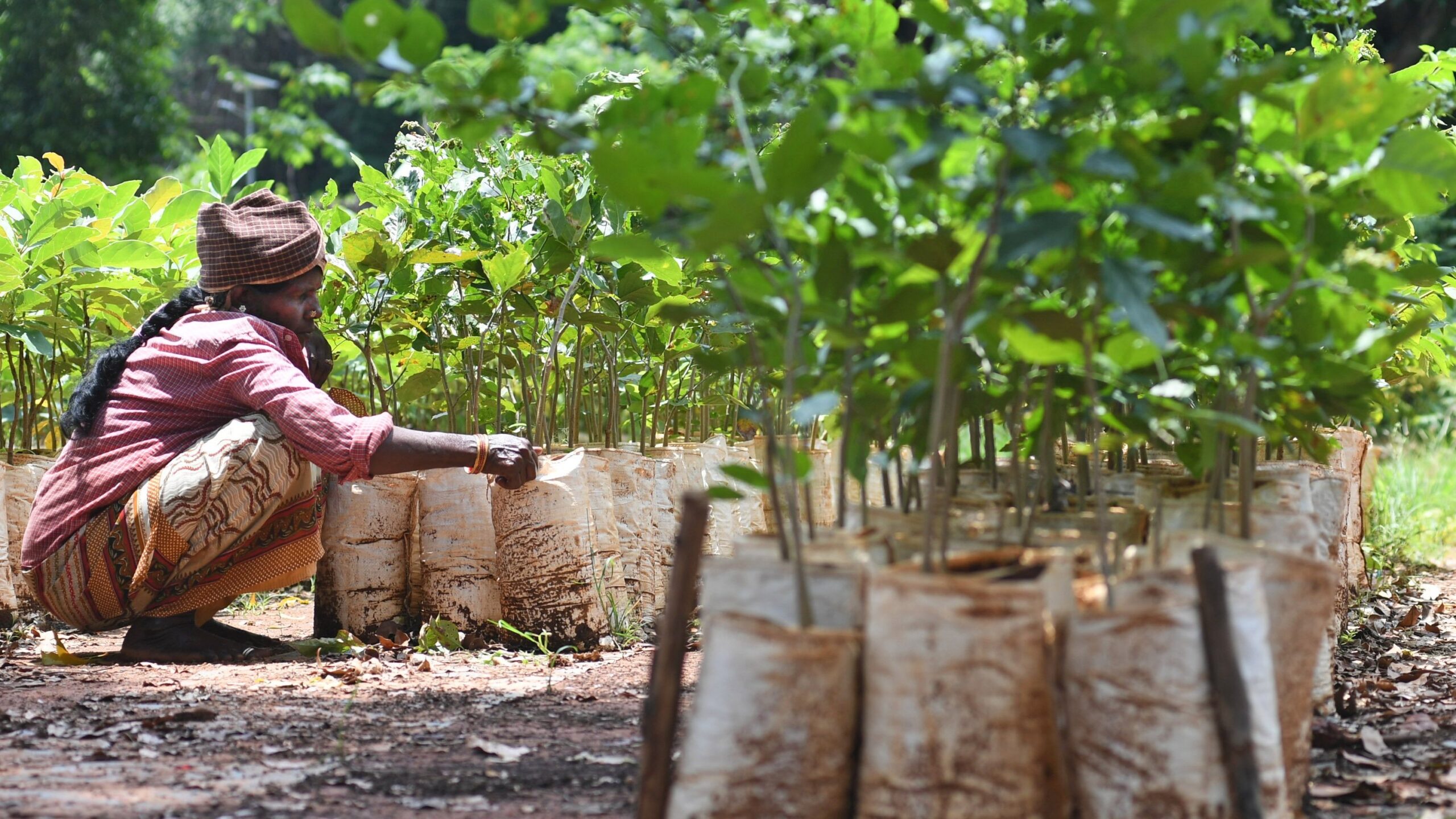
A large-scale afforestation initiative aimed at creating a green buffer around Bengaluru is set to accelerate with plans to plant nearly two crore saplings across peri-urban and ecologically sensitive zones surrounding the rapidly expanding metropolitan region.The proposed “green ring” project, being advanced through a collaboration involving legal and environmental institutions, seeks to strengthen Bengaluru’s ecological resilience at a time when unchecked urbanisation, infrastructure growth, and declining tree cover are intensifying climate-related pressures on the city.
Environmental planners say the initiative could play an important role in restoring fragmented green corridors, improving groundwater recharge, and reducing the urban heat island effect that has become increasingly visible across Bengaluru’s built-up areas. Peripheral districts around the city have witnessed extensive land-use change over the past decade as residential layouts, industrial projects, logistics hubs, and road infrastructure expanded outward.Urban ecologists note that large metropolitan regions require interconnected ecological buffers to maintain long-term environmental stability. In Bengaluru, the shrinking of lakes, wetlands, and tree cover has contributed to rising temperatures, biodiversity loss, and recurring flooding during intense rainfall events.The Bengaluru green ring initiative is also being viewed as part of a broader shift toward climate-responsive urban planning.Sustainability experts argue that afforestation programmes around cities can provide multiple long-term benefits beyond carbon absorption, including improved air quality, soil conservation, and protection of fragile peri-urban ecosystems under pressure from speculative development.
However, environmental researchers caution that large-scale plantation drives must prioritise ecological quality rather than numerical targets alone. Native and climate-adaptive species, long-term maintenance systems, community stewardship, and scientific land assessment are considered essential for ensuring that planted saplings survive and contribute meaningfully to ecosystem restoration.The project arrives at a time when Bengaluru’s infrastructure and real estate growth are increasingly intersecting with environmental concerns. Rapid expansion along outer corridors has placed pressure on agricultural land, water resources, and biodiversity zones, leading urban planners to call for stronger integration of ecological planning into future development policies.Experts further emphasise that green infrastructure should be treated as critical urban infrastructure rather than an ornamental addition. Tree belts and urban forests can help moderate temperatures, improve public health outcomes, and reduce environmental stress in densely populated metropolitan areas facing climate uncertainty.The initiative may also encourage greater institutional collaboration between civic agencies, environmental organisations, and citizen groups working on restoration efforts across Bengaluru’s lakes, forests, and open spaces.
As the city continues to grow outward, the success of the Bengaluru green ring project will likely depend on whether long-term ecological protection can remain central to regional planning decisions. For many urban sustainability observers, the programme represents an opportunity to reintroduce environmental balance into a metropolitan landscape increasingly shaped by concrete expansion and infrastructure-led growth.
Also Read:Bengaluru Airport City Eyes Knowledge Innovation Hub

