


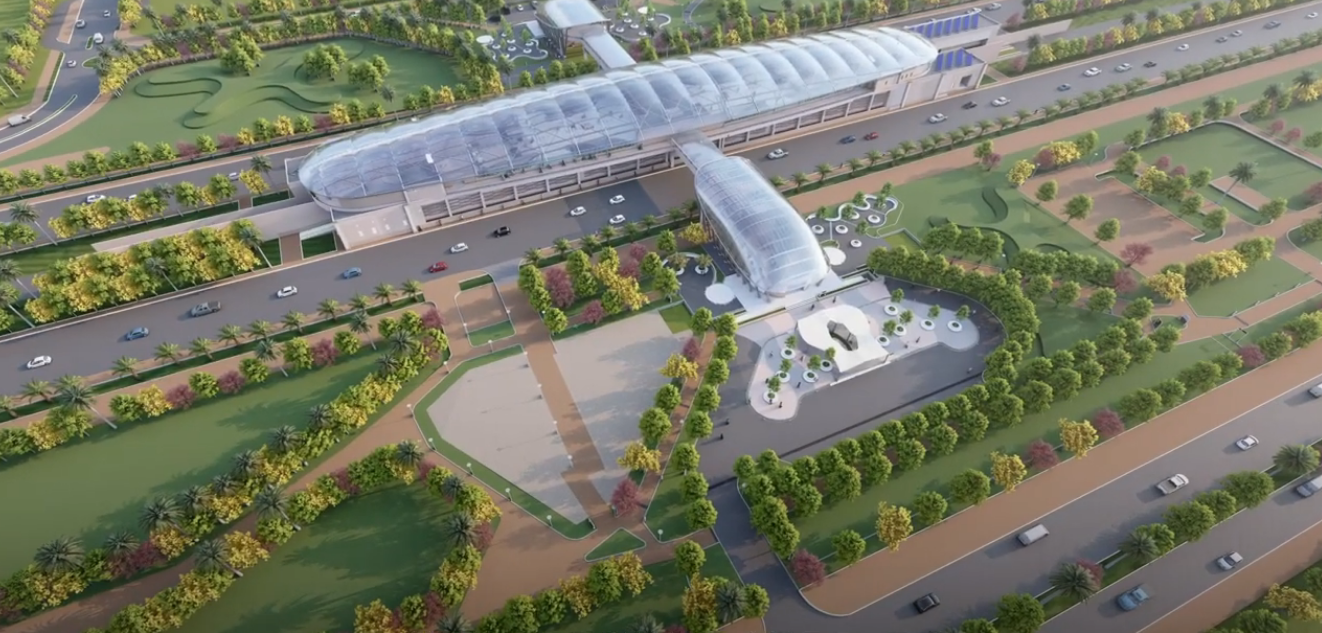
A proposal to develop a large-scale knowledge and innovation district near Kempegowda International Airport is drawing attention as Karnataka explores new models of economic expansion centred on research, education, and technology-led urban development.The concept, tentatively envisioned as a “Wisdom Valley” within Bengaluru’s emerging airport city region, has been proposed as part of broader long-term planning discussions aimed at diversifying growth beyond the city’s already saturated core technology corridors.
Policy planners believe the project could position northern Bengaluru as a future hub for advanced research institutions, innovation ecosystems, startup activity, and knowledge-intensive industries.Urban development experts say the proposal reflects a growing trend among global metropolitan regions to integrate airports with specialised economic clusters that combine mobility infrastructure, higher education, and commercial development. In Bengaluru’s case, the airport region has already emerged as a major investment destination due to expanding connectivity, logistics infrastructure, and large land availability compared to the city centre.The proposed Bengaluru Wisdom Valley initiative could significantly influence land-use and real estate patterns across the airport corridor. Analysts expect increased interest in mixed-use commercial districts, institutional campuses, housing developments, and mobility infrastructure if the project moves into implementation stages.However, urban planners caution that large-scale knowledge districts require careful governance to avoid repeating the fragmented growth challenges visible in several Indian metropolitan regions. Experts argue that economic expansion around the airport must be matched by investments in affordable housing, public transit, ecological protection, and inclusive civic infrastructure.
The airport city region has already witnessed rapid construction activity over the past decade, including logistics parks, hospitality projects, and technology campuses.Sustainability researchers warn that unmanaged expansion could place additional pressure on water systems, green cover, and peri-urban ecosystems surrounding northern Bengaluru.The Bengaluru Wisdom Valley proposal also arrives at a time when cities are increasingly competing for talent, research investment, and innovation-led industries rather than relying solely on traditional manufacturing or commercial growth. Economic strategists believe specialised knowledge corridors can strengthen regional competitiveness while generating high-skilled employment opportunities.Mobility integration is expected to become a central factor in determining the project’s long-term viability. Transport experts stress that future development around the airport city must prioritise multimodal connectivity, including metro expansion, suburban rail integration, pedestrian infrastructure, and low-carbon mobility systems to prevent car-dependent urban sprawl.Environmental and urban governance specialists further note that airport-linked growth corridors often evolve rapidly, making early planning frameworks critical for ensuring balanced development.
Preserving open spaces, integrating climate-resilient infrastructure, and maintaining accessible public amenities will likely shape how inclusive the region becomes over time.While the proposal remains in the planning and consultation phase, the emerging focus on a knowledge-driven airport district signals Bengaluru’s broader ambition to redefine its next cycle of urban growth through research, innovation, and infrastructure-led regional development.
Also Read:Bengaluru Ejipura Flyover Nears New Deadline
