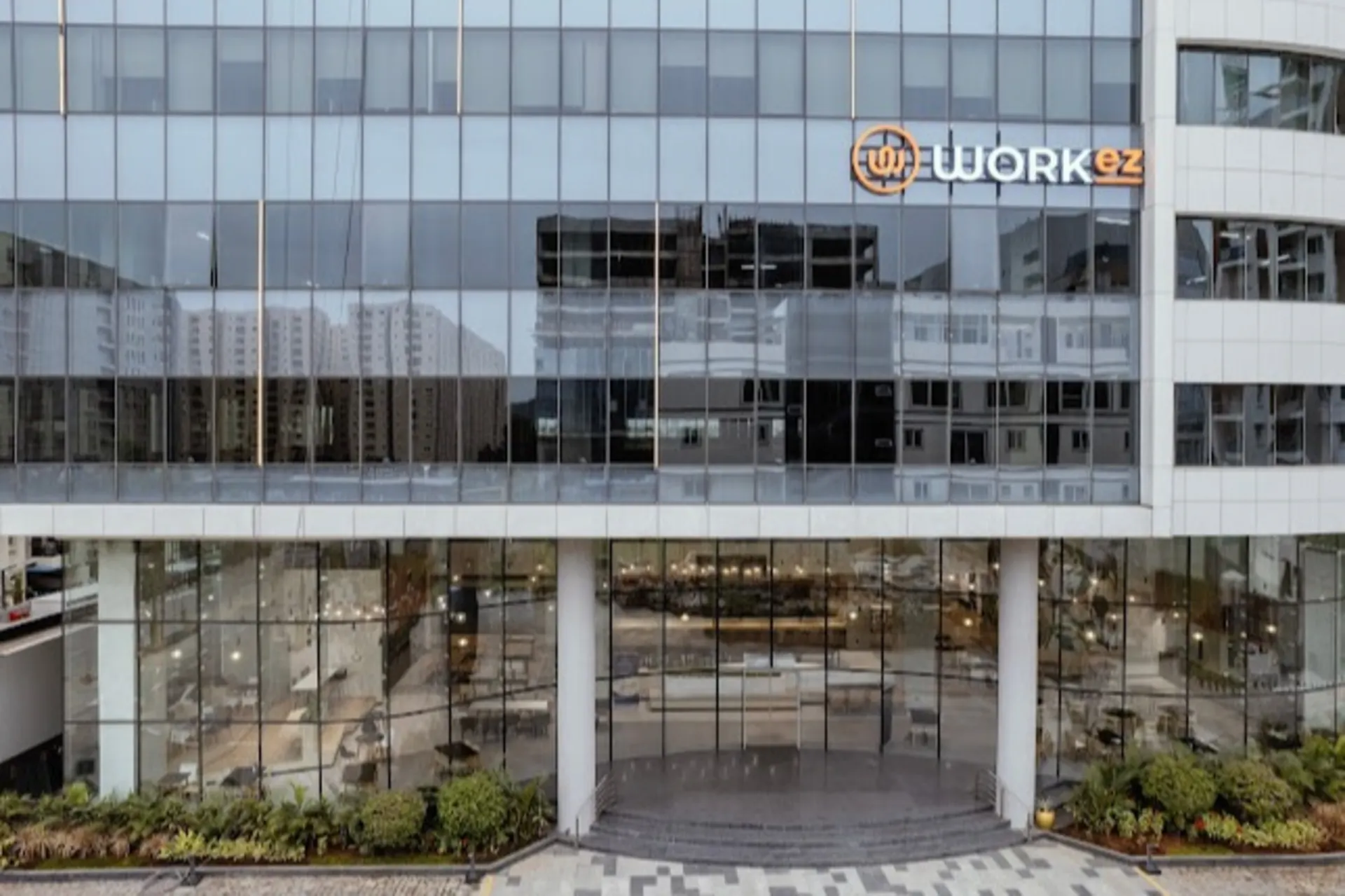
The expansion of flexible workspace capacity across Chennai and Kochi signals a continued reshaping of India’s commercial real estate landscape, where demand is increasingly driven by distributed teams, hybrid work models, and adaptive office design. In a recent move reflecting this transition, a Chennai-headquartered workspace solutions provider has added new centres in both cities, further consolidating its presence across South India’s evolving urban corridors.
The latest phase of flex office expansion includes approximately 65,000 sq ft of workspace in Chennai’s Phoenix One National Park, a mixed-use commercial district that has been steadily integrating office, retail, and transit-oriented development. In Kochi, a 70,000 sq ft centre has been launched in collaboration with a private developer associated with large-scale retail-led real estate projects, marking another step in the city’s gradual emergence as a secondary business hub in Kerala.Industry observers note that this flex office expansion reflects a broader structural shift rather than isolated capacity additions. With enterprises reducing reliance on long-term leased offices, flexible workspaces are increasingly being embedded within premium commercial developments to improve occupancy resilience and asset adaptability.
Beyond immediate metro markets, the operator has also indicated upcoming development of around 0.4 million sq ft in Coimbatore in partnership with a regional infrastructure firm. Urban development analysts suggest that such moves are aligning with tier-II city growth patterns, where IT services, startups, and back-office operations are expanding but remain sensitive to capital expenditure and scalability.Urban planners highlight that the rise of flex office expansion is not merely a real estate trend but also an infrastructure response to changing labour geographies. By enabling decentralised work hubs in multiple cities, these developments potentially reduce commuting pressure on core urban centres like Chennai while distributing economic activity more evenly across the region.
However, experts also caution that the sustainability outcomes of such developments will depend on energy-efficient building design, public transport integration, and water-sensitive urban planning. Without these elements, the environmental footprint of expanding commercial clusters could offset the flexibility gains they offer. As South Indian cities continue to absorb new forms of workplace infrastructure, the trajectory of flex office expansion will likely serve as a key indicator of how urban economies balance growth, resilience, and environmental responsibility in the coming decade.