Maharashtra Intercity Electric Bus Network Expands
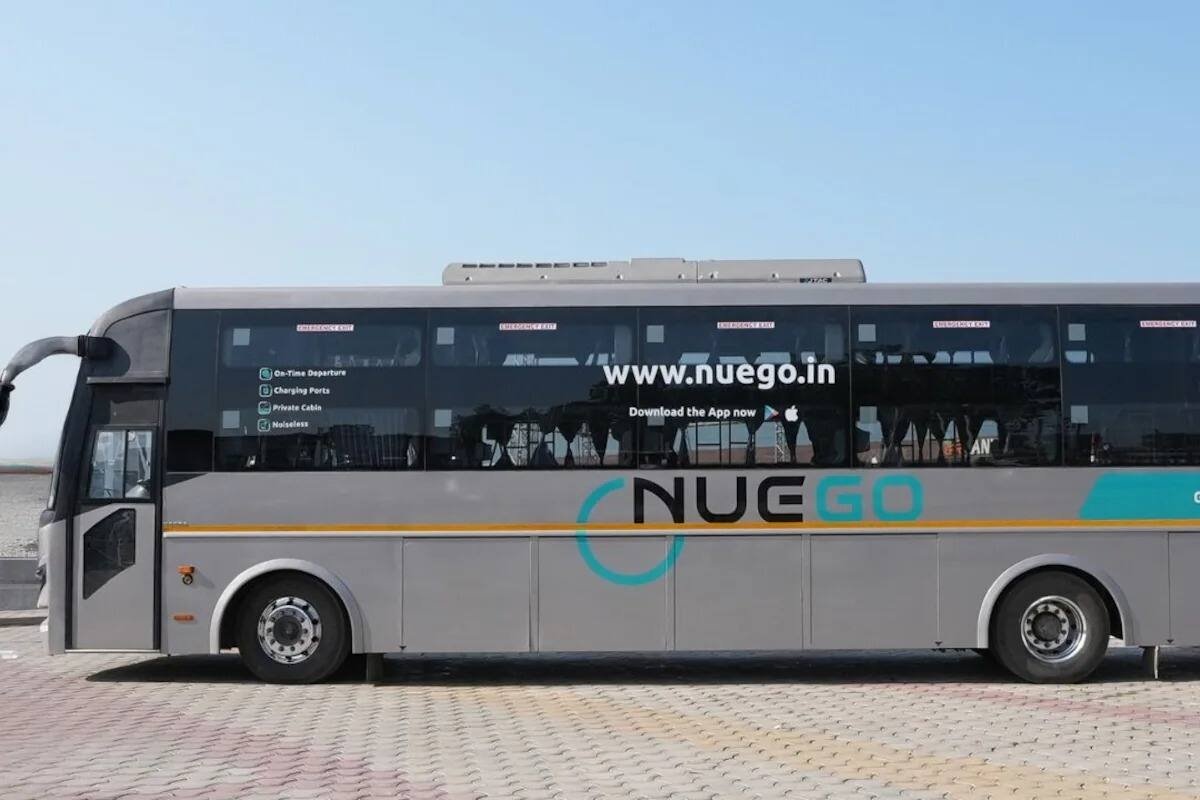
A privately operated fleet of electric intercity buses has begun operations on the Pune–Mumbai corridor, marking a notable shift in Maharashtra’s long-distance mobility landscape. The move signals early momentum in decarbonising one of the state’s busiest travel routes, where road-based transport continues to dominate daily commuter and business traffic. The initial rollout comprises a limited fleet of electric buses deployed on a high-frequency corridor connecting two of western India’s most economically active cities. While modest in scale, the launch reflects a broader transition within India’s mobility sector, where private operators are beginning to complement public electrification efforts traditionally led by state transport undertakings.
Urban mobility experts note that intercity travel has remained a relatively under-addressed segment in the country’s clean transport strategy. While city bus fleets in several metros are gradually electrifying, long-distance routes have lagged due to higher upfront costs, charging infrastructure constraints, and operational uncertainties. The introduction of private electric bus services on the Pune–Mumbai stretch could therefore act as a test case for scaling low-emission travel beyond city limits. The environmental implications are significant. Diesel-powered buses remain a major contributor to particulate emissions and carbon output along highways. Transitioning even a fraction of this traffic to electric alternatives can reduce local air pollution, lower noise levels, and contribute to broader climate targets. However, industry analysts caution that the sustainability impact will depend on the source of electricity and the pace at which charging ecosystems evolve along highways. From a commuter perspective, electric buses offer smoother and quieter journeys, potentially improving travel experience on a corridor known for congestion and long travel times.
Yet affordability and frequency will determine whether such services can compete with conventional buses and shared mobility options. Pricing strategies and service reliability will be critical in shaping adoption among regular passengers. The development also reflects changing dynamics in India’s transport economy. Private mobility providers are increasingly investing in cleaner technologies, driven by regulatory signals, rising fuel costs, and shifting consumer expectations. For the state, this transition presents both an opportunity and a challenge—balancing private sector innovation with equitable access, especially for lower-income travellers who rely heavily on affordable public transport. Infrastructure readiness remains a key constraint. Experts highlight the need for dedicated charging stations along highways, grid upgrades, and standardised policies to support intercity electric mobility. Without these, scaling beyond pilot deployments may prove difficult.
As Maharashtra pushes towards cleaner transport systems, the emergence of private electric intercity services underscores a gradual but important shift. The coming years will determine whether such initiatives can move beyond symbolic milestones to become a viable, inclusive, and sustainable alternative within the state’s evolving mobility network.