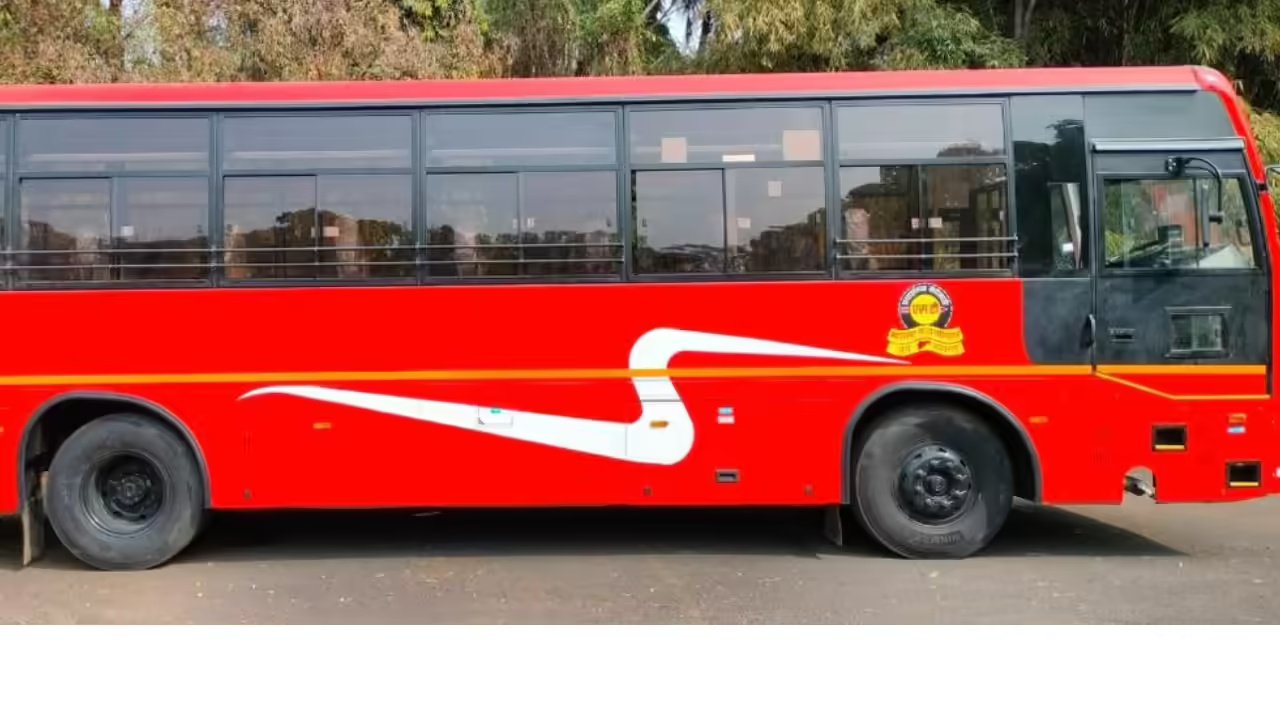
Maharashtra’s state-run bus network is set for a statewide operational reset as authorities prepare to roll out a structured service improvement drive from May 1, aimed at restoring commuter confidence and improving everyday travel standards. The initiative signals a renewed focus on service quality within the Maharashtra State Road Transport Corporation (MSRTC), which remains a critical mobility backbone across urban and rural regions. The MSRTC service campaign is being introduced at a time when public transport systems face rising expectations from passengers, alongside increasing competition from private mobility options. Despite fleet expansion in recent years, ridership growth has not kept pace, prompting policymakers to prioritise service delivery as a key lever for revival.
Officials indicate that the campaign will focus on operational discipline, including adherence to schedules, improved cleanliness of buses and depots, and more structured passenger engagement. Staff training and behavioural protocols are also expected to play a central role, with frontline personnel encouraged to adopt a more service-oriented approach during daily operations. Urban mobility analysts suggest that such measures, while operational in nature, have broader implications for sustainable transport adoption. Reliable and user-friendly bus services are often the first step in shifting commuters away from private vehicles, which in turn contributes to lower congestion and emissions. In this context, the MSRTC service campaign aligns with wider efforts to promote public transport as a climate-resilient alternative. The initiative also includes systems to manage service disruptions more efficiently, ensuring that passengers are provided with timely alternatives in case of breakdowns or cancellations. Additionally, improvements in complaint resolution mechanisms are expected to enhance accountability and transparency within the system.
Beyond service delivery, the campaign touches upon infrastructure and digital integration. Encouraging the use of smart ticketing systems and online booking platforms reflects a gradual transition towards modernised transport management. Experts note that such digital tools can improve operational efficiency while offering commuters greater convenience and predictability. The financial health of the transport corporation remains an underlying concern. With operational costs rising and revenues under pressure, improving passenger experience is seen as a necessary step towards stabilising ridership and strengthening long-term viability. However, transport economists caution that service upgrades must be complemented by structural reforms, including route optimisation, cost management, and integration with other modes of transit. From a social perspective, the state-run bus network continues to play a vital role in ensuring equitable access to mobility, particularly for lower-income groups, students, and senior citizens. Maintaining affordability while improving service standards will be critical to sustaining this role in an evolving mobility landscape.
As the MSRTC service campaign rolls out across Maharashtra, its effectiveness will depend on consistent implementation and measurable outcomes. For a system that carries millions daily, even incremental improvements in reliability and passenger experience could have far-reaching impacts on urban mobility patterns and environmental sustainability.