Surat Heatwave Response Expands Shelter Support Network
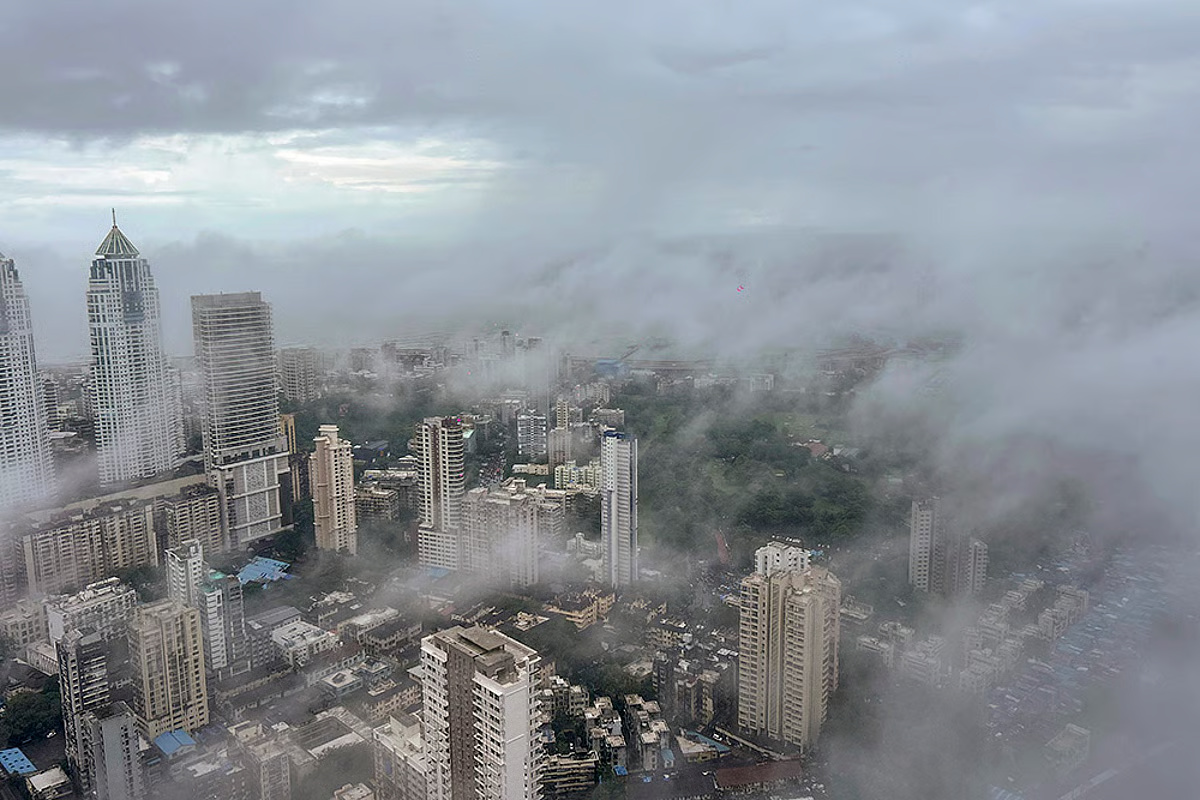
Residents across Mumbai’s eastern suburbs are experiencing heightened thermal discomfort despite moderate summer temperatures, as a sharp rise in moisture levels pushes the heat index Mumbai far beyond what official readings suggest. The phenomenon is exposing how humidity, rather than temperature alone, is shaping urban heat stress in dense inland neighbourhoods. Meteorological observations indicate that while daytime temperatures have largely remained in the mid-30s Celsius range, elevated humidity is amplifying the perceived heat. This effect reduces the body’s ability to cool itself through perspiration, making conditions feel significantly more oppressive than earlier dry heat phases witnessed in March.
Geography is playing a decisive role. Unlike western coastal stretches that benefit from sea breezes, eastern suburbs located deeper inland remain cut off from these natural cooling mechanisms. As a result, prevailing wind patterns carry warm air across built-up zones, trapping moisture and intensifying the heat index Mumbai during peak afternoon hours. Urban climate experts say this pattern reflects a broader shift in how Indian cities experience summer. Instead of isolated spikes in temperature, prolonged periods of high humidity are becoming more common, particularly in April and May. This trend is increasingly linked to changing weather systems, urban density, and reduced green cover, all of which limit natural heat dissipation. Data gaps also complicate the picture. Weather monitoring infrastructure is unevenly distributed, and some eastern pockets lack dedicated observatories. This means citywide averages may underrepresent localised discomfort levels, masking the severity of microclimate conditions faced by residents in these areas.
The implications extend beyond personal discomfort. Elevated heat index levels can affect productivity, strain energy systems through increased cooling demand, and pose health risks, particularly for outdoor workers, elderly populations, and those without access to adequate ventilation. Public health specialists note that humid heat can be more dangerous than dry heat due to its impact on the body’s thermoregulation. Urban planners argue that addressing such challenges requires integrating climate-sensitive design into city development. Increasing tree cover, preserving open spaces, improving ventilation corridors, and promoting reflective building materials are among measures that can reduce heat retention in densely populated areas. Without such interventions, inland neighbourhoods may continue to face disproportionate climate stress. Short-term forecasts suggest some easing of conditions as wind patterns shift and moisture levels stabilise. However, the recurring rise in the heat index Mumbai highlights the need for long-term adaptation strategies that go beyond seasonal responses.
As Mumbai expands and densifies, managing heat and humidity will become central to ensuring liveability. The current spell of oppressive weather offers a reminder that urban resilience must account not only for extreme temperatures but also for the complex interplay of moisture, built environment, and infrastructure planning.