


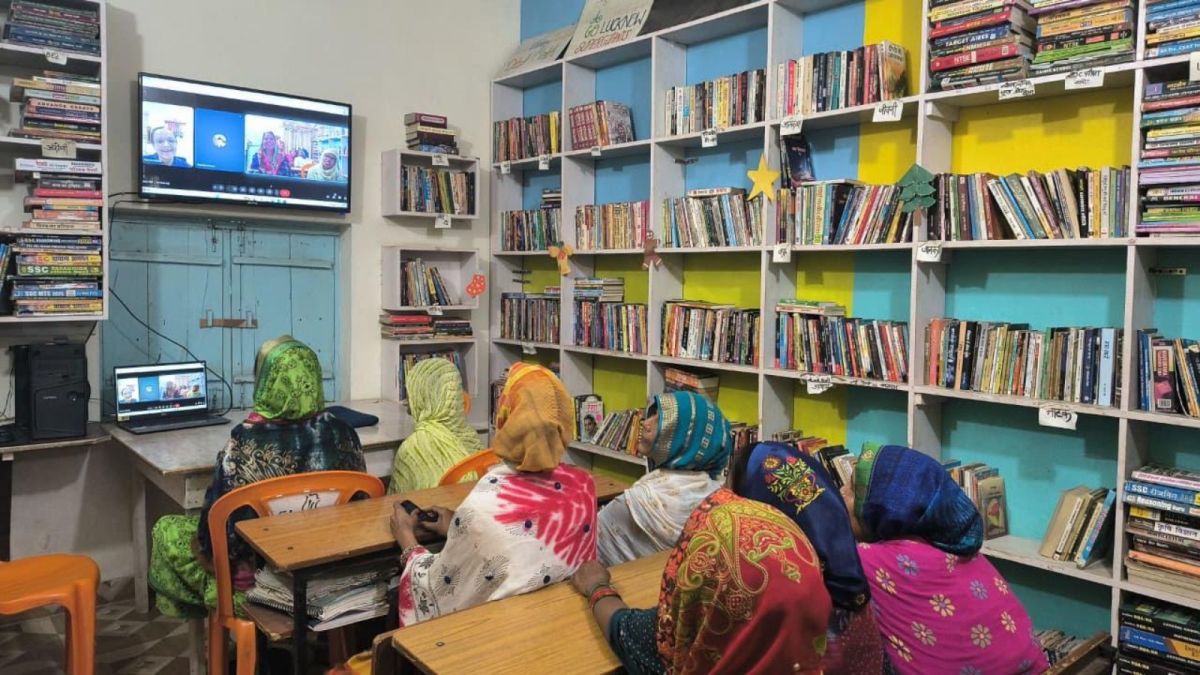
A quiet but meaningful shift in Chennai’s cultural landscape is unfolding through women-led community libraries that are gradually expanding access to reading and informal learning spaces across neighbourhoods. These initiatives are strengthening local readership habits while also creating inclusive, low-cost educational environments in areas often underserved by formal infrastructure.
The rise of these initiatives reflects growing grassroots efforts to promote literacy and community engagement beyond traditional institutional frameworks. Many of these spaces operate through volunteer networks and local participation, offering books, reading sessions, and informal discussions that encourage both children and adults to engage with literature. The growing relevance of Chennai women libraries initiatives highlights how civic participation is reshaping urban learning ecosystems.Unlike conventional libraries, these community-driven spaces are deeply embedded within neighbourhood contexts.They often function out of small community halls, residential buildings, or shared public spaces, making them more accessible to residents who may not have easy access to larger institutional libraries.This decentralised model is helping bridge gaps in educational access, particularly for women and young learners.The Chennai women libraries initiatives also play a significant social role. Beyond reading, they provide safe spaces for interaction, skill-sharing, and informal learning, especially for women who may have limited access to public educational resources.
In many cases, these libraries evolve into community hubs that support discussions on health, education, and livelihood opportunities.Urban development experts note that such initiatives contribute to building more inclusive cities by strengthening social infrastructure alongside physical infrastructure. While cities often focus on transport, housing, and utilities, spaces that foster learning and community interaction are equally important for long-term urban well-being.However, sustaining these efforts requires consistent support. Many community libraries depend on donations, volunteer time, and limited funding, making them vulnerable to operational challenges. Expanding access to books, improving digital integration, and ensuring long-term institutional backing are key concerns for their continued growth.There is also an opportunity to link such grassroots initiatives with broader urban education policies. Partnerships with schools, public library systems, and civic bodies could help scale impact while maintaining local ownership. Digital tools could further enhance accessibility, allowing community libraries to offer hybrid learning models that combine physical reading spaces with online resources.From a sustainability perspective, these libraries contribute indirectly to social resilience. By fostering education, awareness, and community participation, they help strengthen the social fabric of urban neighbourhoods. This becomes particularly relevant in rapidly growing cities where informal networks often play a critical role in supporting inclusive development.
As Chennai continues to expand, the evolution of such community-led initiatives underscores the importance of people-centred urban planning. Strengthening access to knowledge and learning spaces will remain essential for building equitable, resilient, and socially cohesive urban environments.
Also Read:Chennai Power Supply Reliability Faces Summer Strain
