


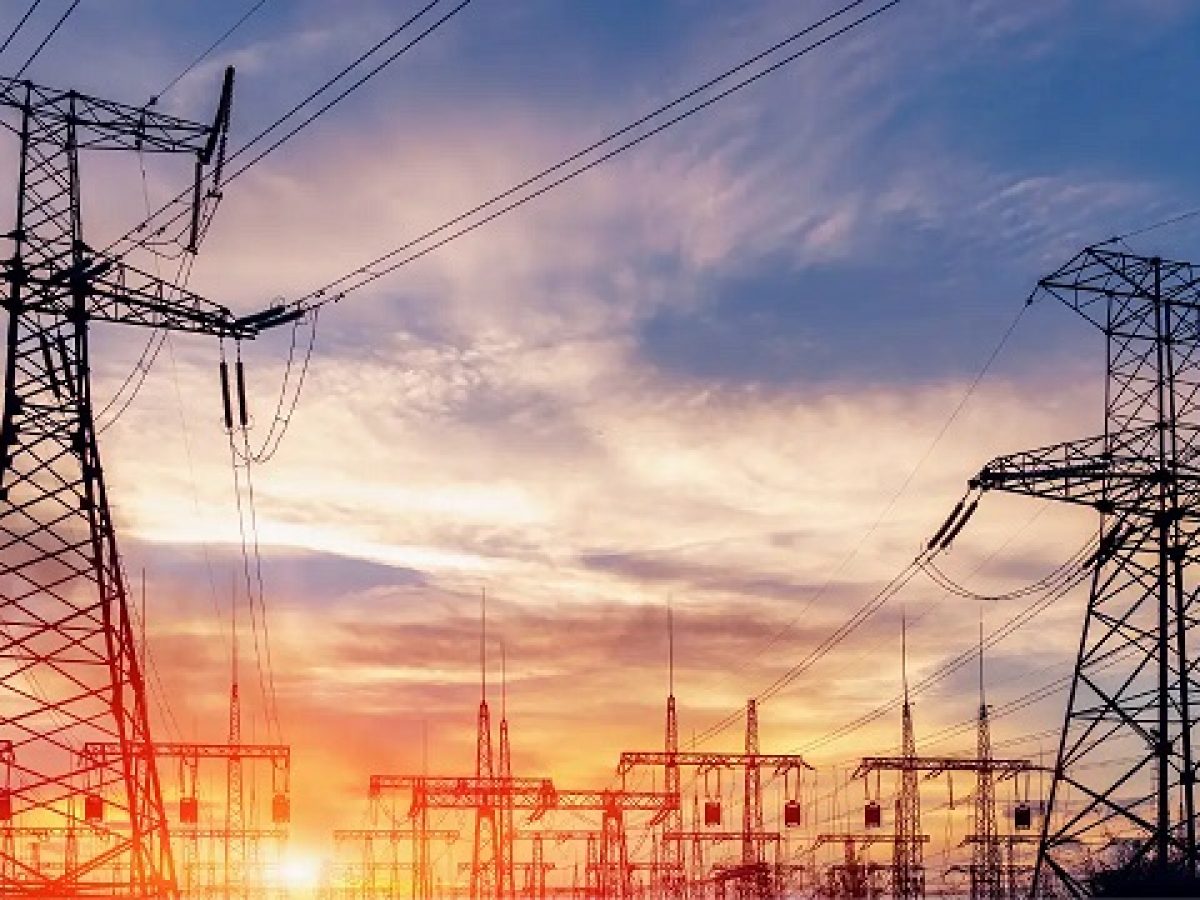
Chennai is witnessing recurring power interruptions and voltage fluctuations during peak summer demand, exposing the strain on urban electricity infrastructure as temperatures climb and consumption patterns intensify. Residents across several neighbourhoods report intermittent outages that have disrupted daily routines, particularly during heatwave-like conditions that typically drive up cooling energy use.
The situation highlights growing stress on the city’s distribution network, where demand spikes from residential cooling systems, commercial establishments, and informal urban activity converge. The ongoing challenges in Chennai power supply reliability point to structural pressures within the grid that are increasingly difficult to manage through short-term load balancing measures alone.Officials attribute fluctuations to a combination of rising demand, ageing local distribution infrastructure, and maintenance-related disruptions. While the grid has generally remained stable at the transmission level, distribution-level constraints continue to create uneven supply experiences across neighbourhoods. This imbalance is particularly evident during peak evening hours when consumption surges.For residents, frequent outages translate into more than just inconvenience. In high-density urban areas, power instability affects water pumping systems, lifts in residential buildings, small businesses, and digital work environments.The impact is especially acute for households dependent on uninterrupted electricity for cooling, refrigeration, and work-from-home activities.The recurring issues in Chennai power supply reliability also raise broader questions about urban climate resilience.
As cities face increasingly erratic weather patterns and longer periods of extreme heat, electricity demand is expected to rise further.Without corresponding upgrades in infrastructure capacity and smart grid management, such disruptions may become more frequent.Energy experts suggest that decentralised solutions, including localised grid upgrades, automated fault detection systems, and demand-side management strategies, could help reduce pressure on the network.Investment in smart metering and real-time load monitoring is also seen as critical to improving responsiveness during peak demand conditions.There is also a sustainability dimension to the issue. Frequent reliance on backup generators during outages increases fossil fuel consumption and local emissions, undermining broader environmental goals.Strengthening grid resilience, therefore, is not only an infrastructure priority but also an environmental necessity for a rapidly urbanising city.Urban planners note that electricity reliability is closely linked to economic productivity.Power disruptions can affect small enterprises, retail activity, and digital services, all of which form an increasingly important part of Chennai’s urban economy. Ensuring consistent supply is therefore essential for maintaining competitiveness and supporting inclusive growth.
As summer demand continues to test the limits of the grid, the focus will likely shift towards long-term infrastructure reinforcement and smarter energy management systems. The challenge lies in aligning rapid urban growth with resilient, climate-adaptive utility networks capable of sustaining future demand.
Also Read:Chennai Traffic Encroachments Cause Gridlock At Key Junction
