


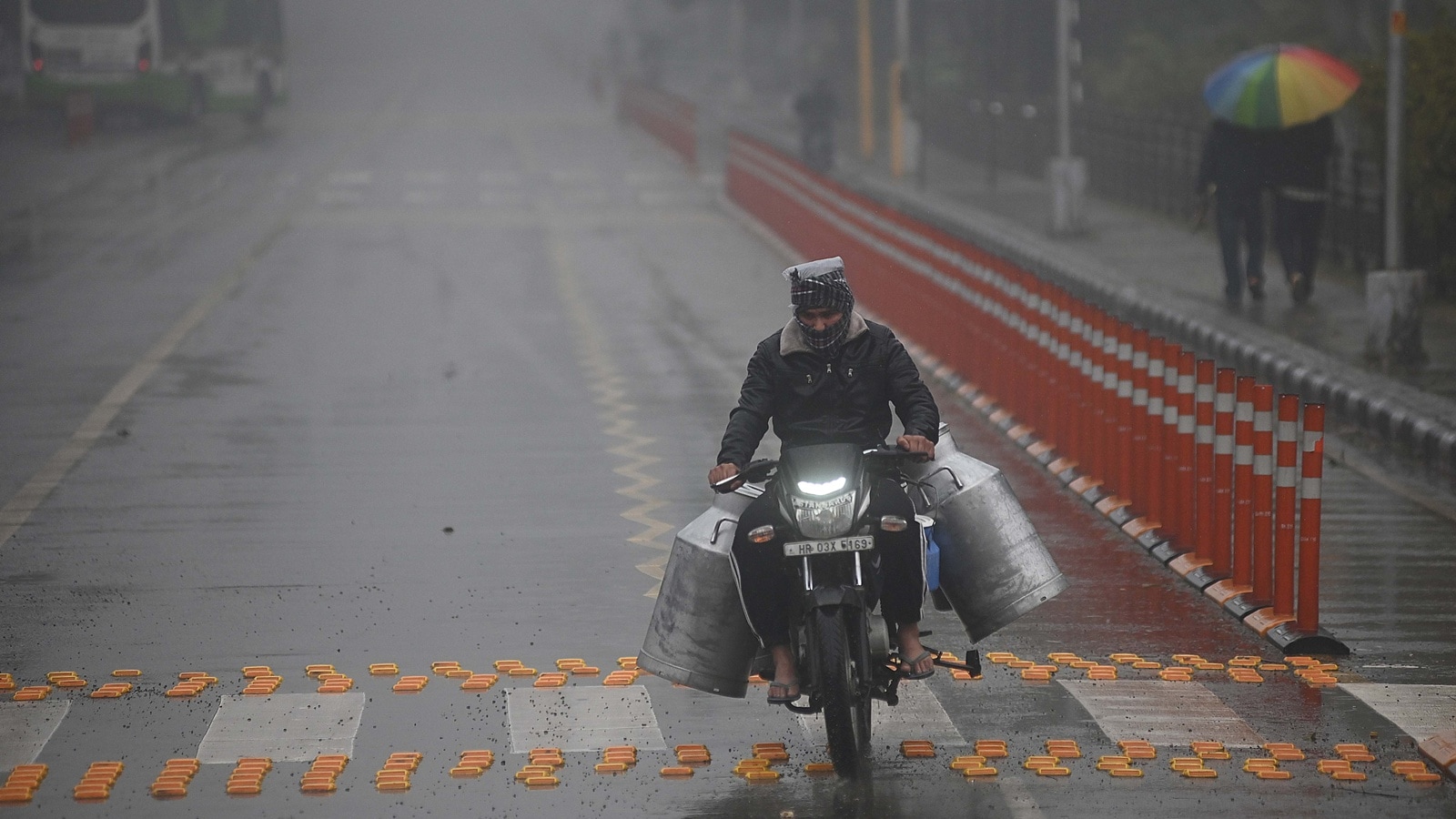
Kolkata is witnessing a volatile weather pattern marked by rising temperatures alongside intermittent forecasts of rain and thunderstorms, underscoring the growing unpredictability of pre-monsoon climate conditions in eastern India.
The emerging Kolkata weather pattern reflects a mix of heatwave-like conditions and short bursts of rainfall, highlighting the challenges cities face in adapting to shifting climate behaviour.Meteorological observations indicate that a regional weather system over eastern India is contributing to this instability, creating conditions where extreme heat and moisture coexist. As a result, Kolkata weather fluctuations are becoming more pronounced, with hot and humid days often followed by sudden storm activity. These transitions, typical of the pre-monsoon period, are becoming increasingly intense and less predictable.Weather agencies have flagged that temperatures are likely to rise in the short term, with humidity levels adding to discomfort, especially in densely built urban zones. At the same time, parts of South Bengal may receive light to moderate rainfall accompanied by gusty winds, offering temporary relief from heat stress. However, such rainfall is expected to be uneven and localised rather than widespread.From an urban resilience perspective, the Kolkata weather trend raises concerns about how cities manage dual climate stresses—heatwaves and sudden storms. High temperatures increase energy demand for cooling, strain water resources, and pose health risks, particularly for vulnerable populations.
Sudden storms, on the other hand, can disrupt transport systems, damage infrastructure, and exacerbate urban flooding in low-lying areas.Climate experts note that April is typically one of the hottest months in Kolkata, with temperatures often crossing 35°C, but recent patterns show increasing variability in both temperature and rainfall distribution. This variability complicates planning for infrastructure, public health, and emergency response systems.The Kolkata weather situation also has economic implications.Heat stress can reduce productivity in outdoor and labour-intensive sectors, while unpredictable rain can disrupt logistics, retail activity, and informal markets. For a city with a significant service and small business economy, such fluctuations can have cascading effects on daily operations.Urban planners emphasise the need for adaptive strategies, including improved early warning systems, climate-responsive infrastructure, and public awareness campaigns. Enhancing green cover, restoring water bodies, and promoting heat-resilient urban design can help mitigate the impact of extreme weather events.The interplay between heat and rainfall also highlights the importance of integrated water management. Capturing rainwater during short bursts can help offset water scarcity during prolonged dry spells, making cities more resilient to climate variability.
As Kolkata moves deeper into the pre-monsoon season, the evolving Kolkata weather pattern serves as a reminder of the increasing complexity of urban climate systems. The coming weeks will test the city’s ability to manage both heat stress and sudden weather disruptions, reinforcing the need for long-term planning that aligns urban development with climate resilience.
Also Read:Kolkata Stadium Redevelopment Enhances Eden Gardens Experience
