


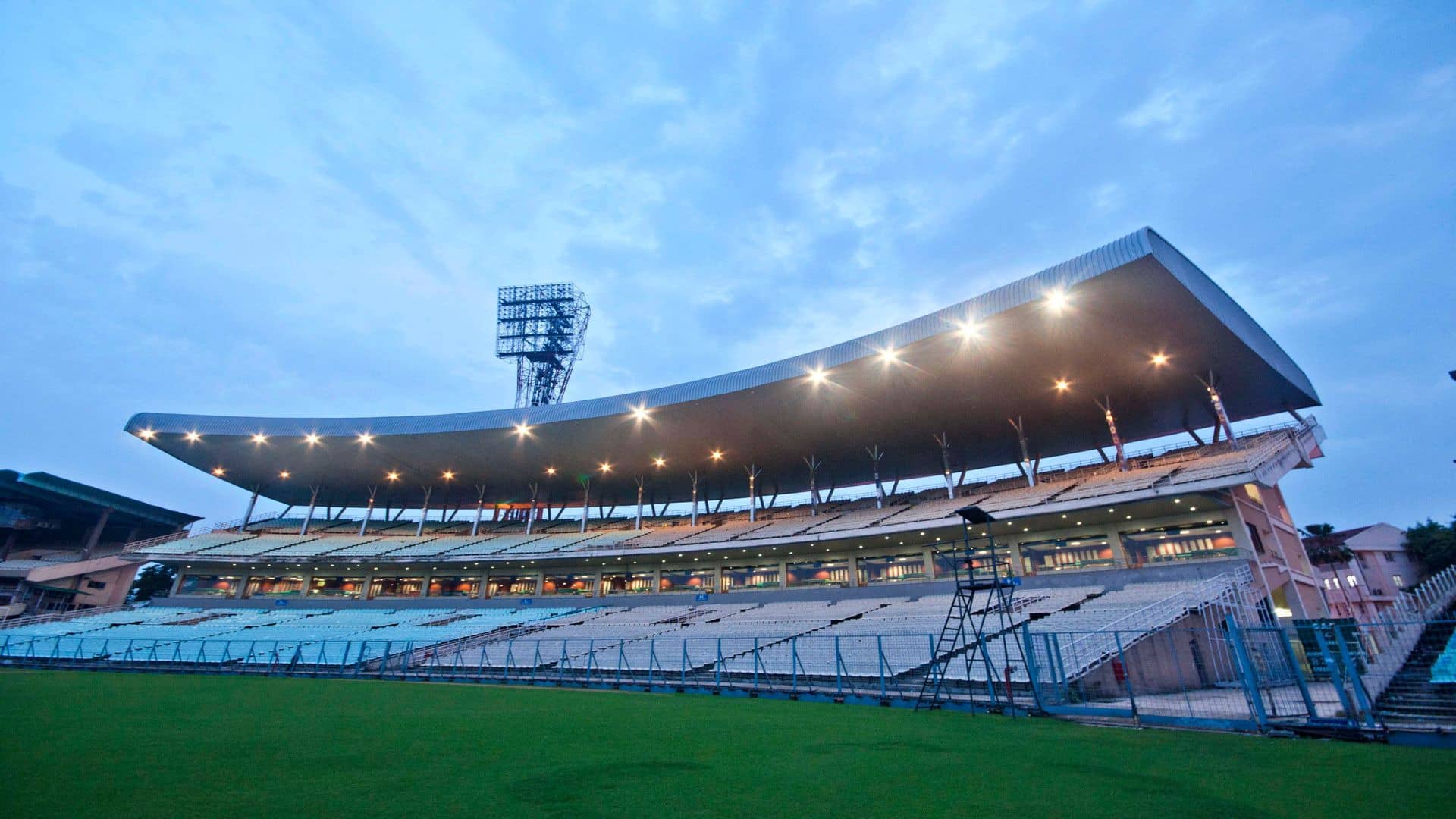
Kolkata’s iconic cricket venue is set to undergo a design-led transformation aimed at improving spectator experience and aligning with global standards for sports infrastructure.
The proposed upgrades at Eden Gardens reflect a broader shift in how cities are reimagining large public venues as multifunctional, fan-centric spaces that contribute to both urban identity and economic activity.The redevelopment plans focus on enhancing accessibility, comfort, and engagement for spectators, signalling a move away from traditional stadium layouts towards more immersive environments. Modern sports infrastructure increasingly prioritises seamless movement, improved visibility, and integrated amenities, ensuring that venues cater to diverse audiences while maintaining operational efficiency.Urban planners note that projects like the Kolkata stadium redevelopment have implications beyond sports. Large venues function as key public assets, influencing surrounding neighbourhood development, transport systems, and local economies.Upgrading such infrastructure can stimulate investment in adjacent areas, improve connectivity, and create new opportunities for commercial activity.The Kolkata stadium redevelopment also reflects changing expectations among audiences. With the rise of digital entertainment and global sports broadcasting, live venues are under pressure to offer experiences that go beyond the game itself.Enhanced seating, hospitality zones, and interactive spaces are becoming essential components of modern stadium design.
From an economic perspective, improved sports infrastructure can drive tourism and generate revenue through events, sponsorships, and ancillary services. Kolkata, with its strong sporting culture, stands to benefit from increased footfall and higher engagement levels, particularly during major tournaments and international matches.Sustainability is emerging as a key consideration in stadium redevelopment projects. Incorporating energy-efficient systems, water conservation measures, and sustainable materials can reduce environmental impact while lowering operational costs. As cities aim to balance growth with climate goals, integrating such practices into large-scale infrastructure projects is becoming increasingly important.The focus on fan-centric design also highlights the importance of inclusivity.Ensuring accessibility for people with disabilities, providing safe and comfortable environments, and accommodating diverse user needs are critical aspects of modern urban infrastructure. These elements contribute to creating spaces that are welcoming and equitable for all sections of society.Experts emphasise that the success of the Kolkata stadium redevelopment will depend on effective execution and integration with broader urban systems. Transport connectivity, crowd management, and coordination with civic services will be key to ensuring that the upgraded venue functions efficiently during high-attendance events.
As Kolkata moves forward with plans to modernise one of its most recognisable landmarks, the project represents a convergence of heritage preservation and contemporary design. The transformation of Eden Gardens is likely to set a benchmark for how Indian cities approach the redevelopment of legacy infrastructure, balancing cultural significance with the demands of a modern urban environment.
Also Read:Kolkata Healthcare Investment Boosts Fertility Services Expansion
