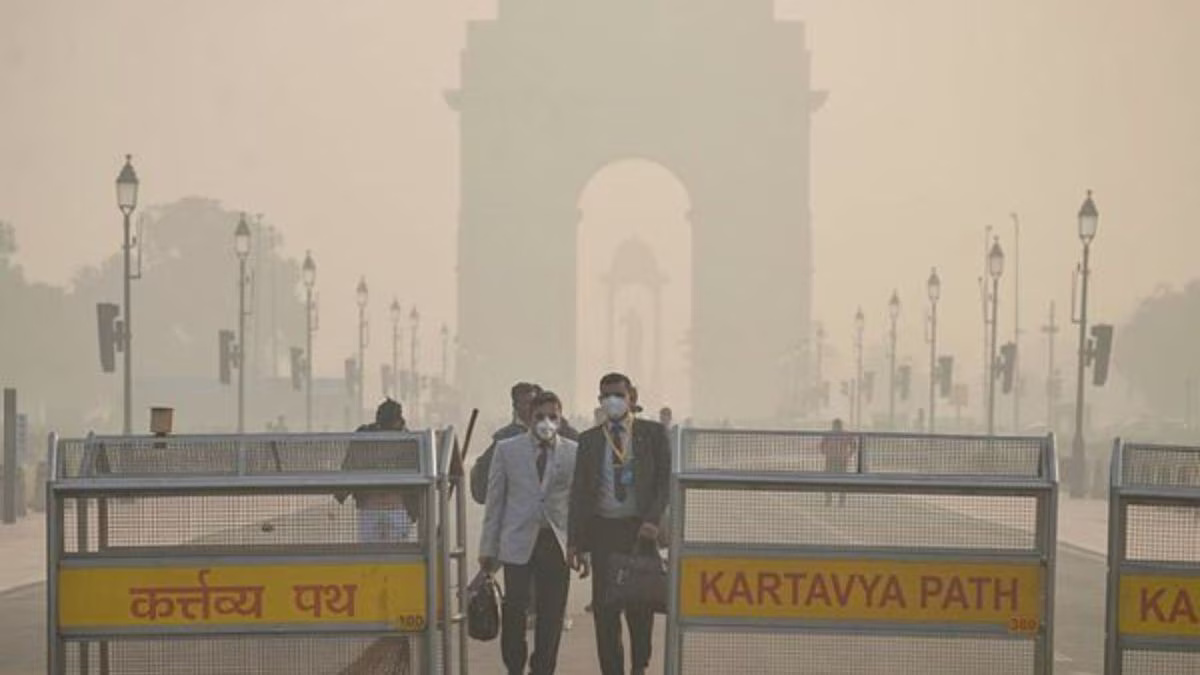
Delhi Air Pollution Mitigation Plan Targets Dust Sources
Authorities in Delhi have begun a fresh assessment of the city’s environmental response framework under the Air Pollution Mitigation Plan, signalling a renewed focus on tackling pollution sources through technology-driven monitoring and on-ground enforcement. The review, led by senior officials overseeing environmental governance, examined progress on measures intended to control dust emissions and improve air quality management across one of the world’s most densely populated urban regions. The Air Pollution Mitigation Plan is being revisited as the capital continues to grapple with seasonal air quality fluctuations linked to traffic emissions, construction dust and industrial activity. Officials involved in the discussions say the strategy is being refined to identify pollution hotspots more precisely and deploy targeted interventions where they are most needed.
One of the key operational priorities emerging from the review involves expanding the use of mechanised road sweeping systems across major arterial roads. These machines are designed to remove accumulated dust particles that frequently become airborne due to heavy traffic movement. Environmental experts note that road dust remains one of the largest contributors to particulate pollution in large Indian cities. Complementing this approach, authorities are planning to increase the deployment of water sprinkling vehicles to reduce airborne particulate matter in high-density transport corridors. Such methods, while temporary, can play a role in suppressing dust during dry seasons when pollution levels tend to rise. Oversight of these initiatives is coordinated by agencies including the Delhi Pollution Control Committee, which monitors compliance with environmental standards and tracks pollution trends across the capital. Officials familiar with the planning process say the latest review aims to strengthen coordination between departments responsible for roads, municipal services and environmental monitoring.
Urban policy specialists suggest that strategies like the Air Pollution Mitigation Plan must increasingly rely on data-led interventions rather than broad seasonal measures. Identifying localised emission sources—whether from construction activity, transport corridors or waste burning—can help authorities deploy resources more efficiently. The renewed focus on pollution control also reflects the broader urban development challenge facing Delhi. As the city expands its road networks, housing developments and commercial infrastructure, maintaining air quality standards becomes a critical public health priority. Air pollution not only affects daily life but also influences economic productivity and urban liveability. Urban planners argue that sustainable air quality improvements ultimately depend on a combination of transport electrification, greener construction practices and improved urban design that reduces reliance on private vehicles. While immediate mitigation efforts remain necessary, long-term solutions will require coordinated policy interventions across multiple sectors.
For Delhi, the ongoing review of the Air Pollution Mitigation Plan highlights the continuing effort to align environmental governance with the demands of a growing megacity. The effectiveness of these measures will likely depend on consistent enforcement, technological monitoring and broader shifts toward cleaner urban systems in the years ahead.