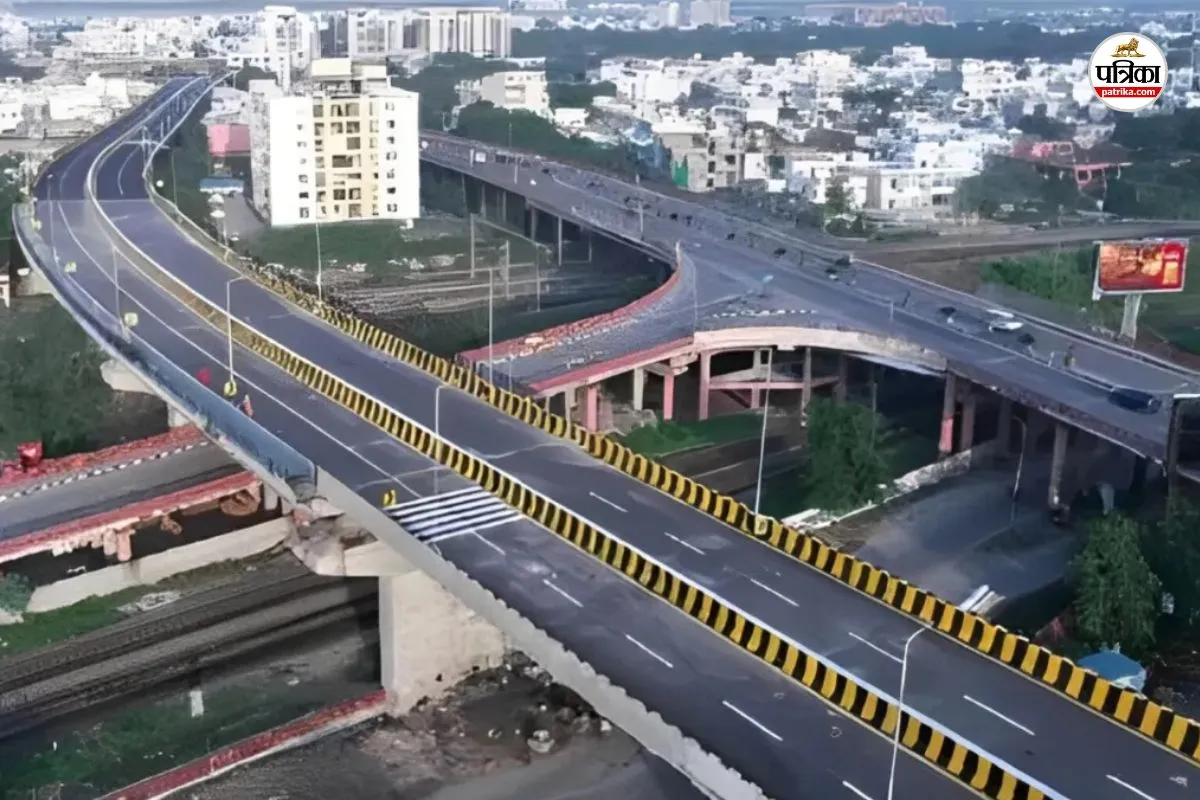
Jaipur Construction Sector Reflects Changing Infrastructure Demands
As Rajasthan’s urban footprint continues to expand, the role of mid-sized civil contractors is coming into sharper focus, particularly in cities like Jaipur where infrastructure demand is rising alongside real estate growth. A Jaipur-based construction firm marking a decade of operations highlights both the opportunities and structural challenges shaping the state’s civil infrastructure ecosystem.
Operating across road development, drainage systems, and site-level construction, Sunrise Infrabuild Pvt Ltd reflects a segment of the industry that functions as the backbone of on-ground execution. While large infrastructure projects often attract attention, it is these smaller and mid-tier firms that translate plans into physical assets across urban and peri-urban areas. The company’s growth trajectory—gradually expanding from Jaipur to other parts of Rajasthan—mirrors the state’s broader infrastructure push. Rapid urbanisation, coupled with investments in roads, drainage, and township development, has created sustained demand for civil works. However, experts note that execution quality remains uneven across the sector, with delays, cost overruns, and compliance gaps still common in many projects. Urban planners point out that localised expertise plays a critical role in improving project outcomes. Rajasthan’s varied terrain, extreme temperatures, and logistical constraints require contractors to adapt construction methods to specific site conditions. Firms with long-term regional experience tend to perform better in managing these variables, particularly in areas such as soil stability, water flow management, and heat-resilient materials.
At the same time, the sector is undergoing a gradual shift towards more structured project management practices. Pre-construction planning, digital monitoring tools, and in-house equipment capabilities are becoming differentiators in an industry traditionally driven by cost competition. These changes are particularly relevant as cities demand faster project delivery without compromising on durability or environmental compliance. The conversation around civil infrastructure is also increasingly tied to sustainability. Drainage systems, for instance, are no longer viewed as standalone utilities but as critical components of climate resilience, especially in flood-prone urban zones. Similarly, road construction is being evaluated not just for connectivity but for its impact on heat absorption, stormwater runoff, and long-term maintenance costs. However, challenges persist in scaling these improvements across the sector. Many smaller contractors continue to operate with limited access to finance, technology, and skilled labour. This creates a fragmented ecosystem where quality and timelines can vary significantly from one project to another. Strengthening regulatory oversight and standardising construction practices could help bridge these gaps.
There are also implications for labour conditions. Civil construction remains heavily dependent on informal workforces, raising concerns around safety, training, and job security. As infrastructure investments grow, ensuring that workforce welfare keeps pace with project expansion will be critical to building a more inclusive urban development model. Looking ahead, Rajasthan’s infrastructure pipeline is expected to remain robust, driven by both public investment and private real estate activity. The effectiveness of this growth, however, will depend on how well execution capabilities evolve at the ground level. For cities like Jaipur, where expansion is accelerating, the next phase of development will hinge not just on the scale of projects announced, but on the consistency, quality, and sustainability of how they are built.