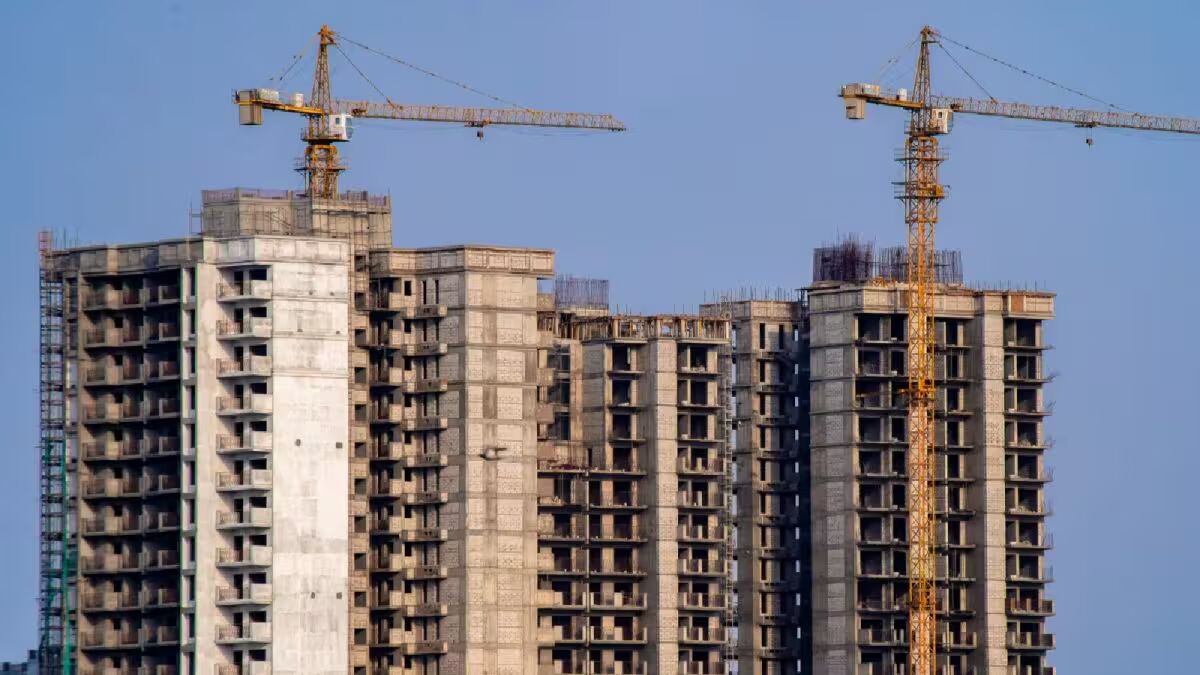
New Gurugram Growth Signals Real Estate Transformation
Emerging micro-markets in Gurugram, particularly New Gurugram, are increasingly shaping the trajectory of the region’s real estate sector, signalling a structural shift in how urban expansion is unfolding across the National Capital Region. Once considered peripheral, these zones are now attracting both end-users and investors due to improved connectivity, relative affordability, and evolving infrastructure networks.
New Gurugram, located along key corridors such as the Dwarka Expressway and NH-48, has developed into a planned extension of the city with a mix of residential and commercial clusters. Its strategic positioning between established business hubs and industrial areas like Manesar has made it a preferred destination for middle- and upper-income homebuyers seeking long-term value. The rise of such Gurugram micro markets is closely linked to infrastructure-led urbanisation. Major projects—including expressways, metro expansions, and regional transit systems—are improving accessibility and reducing commute times, thereby unlocking land parcels that were previously considered less viable. This trend is reshaping development patterns, shifting demand away from saturated core areas towards emerging growth corridors. Market data indicates that Gurugram continues to dominate residential activity in NCR, with a significant share of new housing supply concentrated in these emerging zones. The appeal lies not only in pricing advantages but also in the availability of integrated townships offering a mix of housing typologies, social infrastructure, and commercial spaces.
However, this outward expansion raises important questions around sustainability and infrastructure readiness. While micro-markets offer scale and planning flexibility, they often face initial gaps in civic amenities such as water supply, drainage, and public transport. Without coordinated urban planning, there is a risk of replicating the same infrastructure deficits seen in older parts of the city. Experts also highlight a shift in buyer preferences. Demand is increasingly driven by end-users rather than speculative investors, with a focus on liveability, open spaces, and integrated community design. This has encouraged developers to adopt more structured planning approaches, aligning with the growing emphasis on sustainable and people-centric urban development. At the same time, affordability remains a key driver. Compared to central Gurugram, newer sectors offer relatively lower entry points, making them attractive to first-time buyers and those migrating from rental housing. This trend is further supported by rising rents and property prices in established areas, pushing demand towards peripheral but well-connected locations.
From an economic perspective, the growth of Gurugram micro markets is also linked to the city’s expanding corporate and logistics ecosystem. As businesses decentralise and new employment hubs emerge, residential demand is following suit, reinforcing the viability of these areas as self-sustained urban nodes. Looking ahead, the success of these micro-markets will depend on how effectively infrastructure keeps pace with development. Ensuring adequate public transport, green spaces, and basic services will be critical to avoid fragmented growth. For Gurugram, the evolution of micro-markets represents not just a real estate trend, but a broader test of how Indian cities manage expansion while balancing affordability, sustainability, and quality of life.