Gurugram is preparing a multi-sector infrastructure push worth nearly ₹3,500 crore, with a focus on roads, flyovers and water systems—an effort that reflects the city’s growing struggle to keep pace with rapid urban expansion and rising service demands. The Gurugram Metropolitan Development Authority (GMDA) has outlined a set of projects spanning transport upgrades and water infrastructure, and is seeking state-level financial approvals to move them forward.
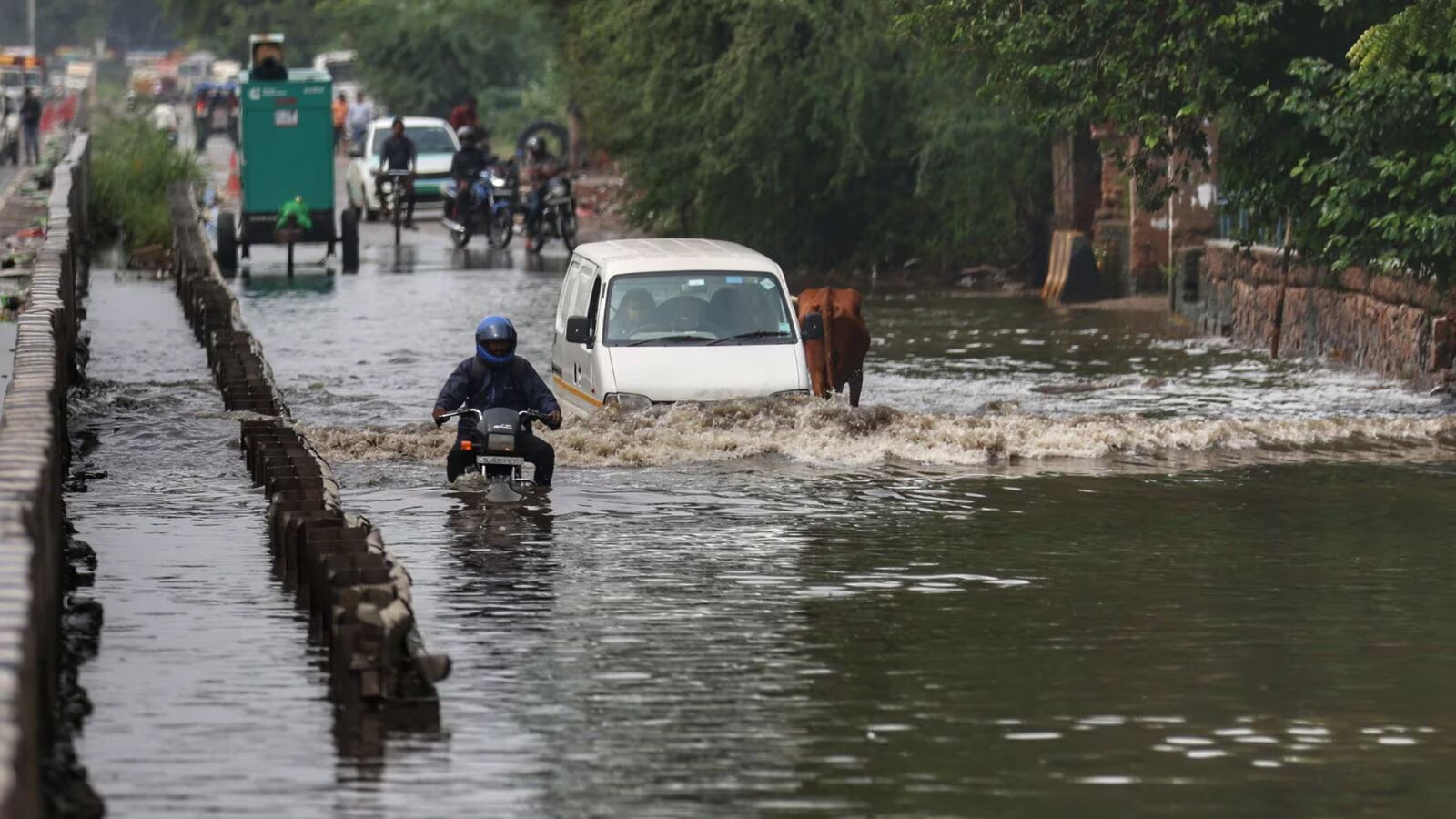
The proposed investments include new grade separators at key traffic junctions, augmentation of water treatment capacity, and expansion of supply networks to underserved sectors. At a structural level, the roadmap highlights a familiar urban challenge: infrastructure lagging behind real estate growth. Gurugram’s transformation into a major corporate and residential hub has led to intense pressure on its arterial roads and civic utilities, often resulting in congestion, water shortages, and seasonal flooding. On the mobility front, flyovers and intersection redesigns are expected to target high-traffic zones where vehicle volumes exceed design capacity. Previous traffic assessments have shown that several junctions in the city already surpass thresholds that typically require grade-separated solutions, pointing to the urgency of such interventions.
However, the emphasis on road-based solutions raises questions about long-term mobility planning. While flyovers can ease bottlenecks in the short term, transport experts caution that they may not address underlying issues such as car dependency and limited public transport coverage. Gurugram’s evolving mobility needs increasingly call for integrated solutions, including mass transit expansion and last-mile connectivity. Water infrastructure forms the second pillar of the plan. Proposals include upgrading existing treatment plants and expanding pipeline networks to meet rising demand. In fast-growing sectors, inconsistent supply has become a persistent issue, forcing reliance on groundwater extraction and private tankers—both of which have environmental and cost implications. Officials indicate that new filtration units and pipeline upgrades could significantly increase daily water supply capacity, while also improving distribution efficiency. Yet, urban planners note that without parallel measures for water conservation and recharge, supply-side expansion alone may not ensure long-term resilience, particularly in a region already facing groundwater stress.
The initiative also reflects a broader shift towards capital-intensive urban management, where large infrastructure projects are used to address systemic gaps. While such investments can deliver visible improvements, their effectiveness depends on coordination across sectors—transport, water, land use and environmental planning. For residents, the potential benefits are tangible: reduced travel times, more reliable water access, and improved liveability. But implementation challenges remain, including land acquisition, project sequencing and minimising disruption during construction. There is also a fiscal dimension. Securing funding for projects of this scale requires balancing competing priorities, particularly as cities increasingly face demands for both physical and social infrastructure.
As Gurugram positions itself for the next phase of growth, the ₹3,500 crore roadmap underscores a critical inflection point. Whether the city can translate investment into sustainable, inclusive outcomes will depend on how effectively these projects are integrated into a broader vision—one that moves beyond reactive expansion towards resilient and citizen-centric urban planning.