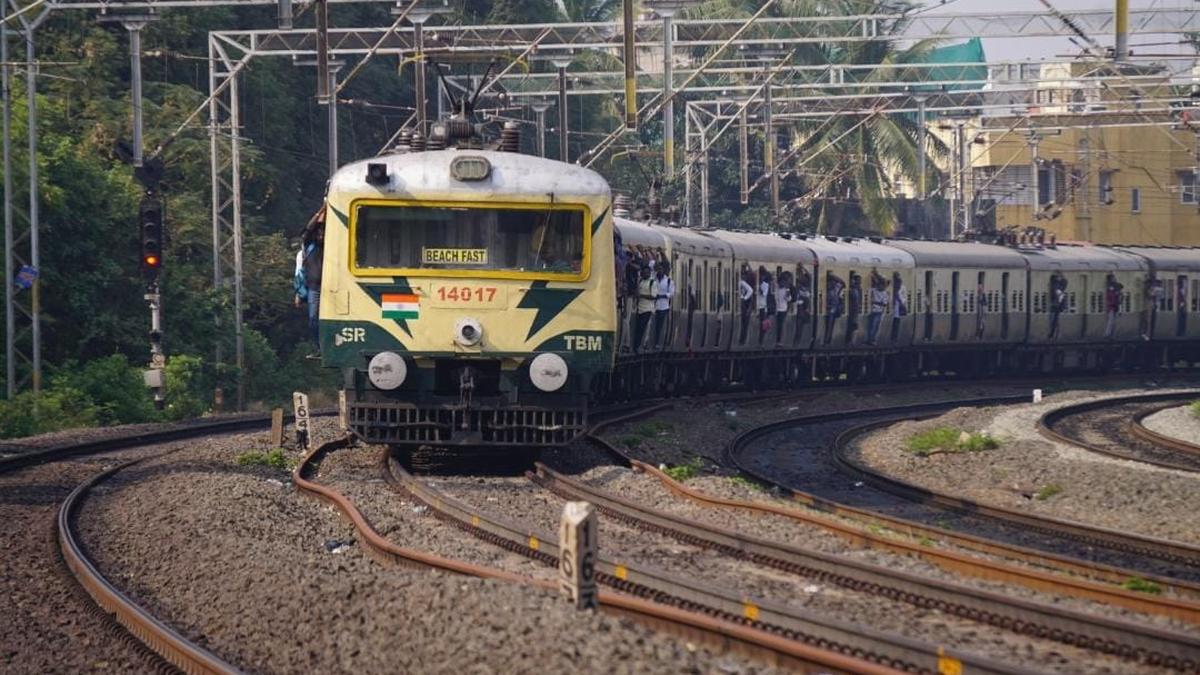
As seasonal migration and holiday travel intensify across southern India, Southern Railway has introduced additional summer special services between Chennai and Kanyakumari, aiming to ease mounting passenger pressure on one of the region’s busiest intercity corridors. The temporary superfast services are expected to improve mobility for families, students, workers, and tourists travelling during peak May and June demand while reducing overcrowding on regular long-distance routes.
The special trains, operating under the “trains on demand” model, will run weekly over four cycles connecting Chennai Egmore with the southern coastal district of Kanyakumari. Railway officials indicated that the additional capacity has been planned in response to rising summer traffic patterns observed across Tamil Nadu’s intercity network, particularly on routes linking major urban centres with tier-two and pilgrimage destinations. The move reflects a broader challenge facing India’s railway infrastructure as urban populations expand and seasonal travel volumes continue to rise faster than transport capacity. Cities such as Chennai have witnessed growing dependence on rail-based mobility not only for tourism but also for education, healthcare access, employment-linked migration, and family travel. Transport planners note that temporary services during peak periods have increasingly become essential operational tools to prevent congestion spillovers across stations and regional transit networks.
The Chennai–Kanyakumari summer special service will halt at key junctions including Tiruchchirappalli, Madurai, Tirunelveli, Nagercoil, Valliyur, Villupuram and Tambaram. These stops connect several rapidly growing urban and semi-urban clusters in Tamil Nadu where rail continues to serve as the most affordable and energy-efficient mode of long-distance transportation.Urban mobility experts say strengthening rail connectivity across regional corridors is also critical from a sustainability perspective. Compared with private road transport, long-distance rail travel significantly lowers per-capita emissions while helping reduce highway congestion and fuel consumption. With southern states witnessing accelerated highway development and rising private vehicle ownership, expanding public transport capacity remains central to climate-conscious infrastructure planning.The coach composition of the Chennai–Kanyakumari summer special has been structured to accommodate varied income groups and accessibility needs. The rake includes air-conditioned coaches, sleeper class compartments, general second-class seating, and dedicated accessible coaches for Divyangjan passengers.
Inclusive coach planning, transport analysts say, remains important as Indian cities attempt to build more equitable public mobility systems for elderly passengers, women travellers, and persons with disabilities.Officials tracking summer traffic trends expect demand for the Chennai–Kanyakumari summer special to remain strong through the school vacation period and festival-linked travel weeks. Industry observers also believe recurring seasonal rail augmentation could eventually shape future timetable revisions and long-term investments in southern railway capacity expansion. As intercity travel demand grows alongside urbanisation, the effectiveness of temporary services such as the Chennai–Kanyakumari summer special may increasingly influence how Indian Railways balances affordability, accessibility, and sustainable regional mobility in the years ahead.