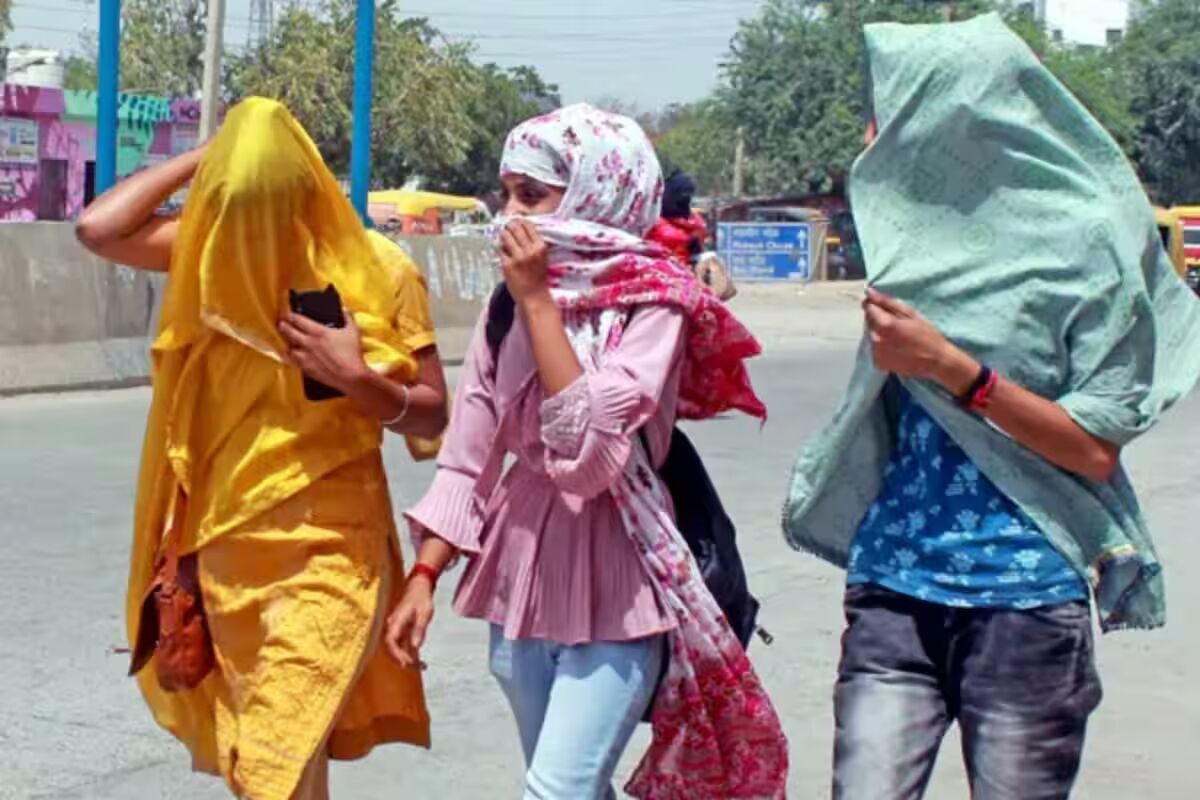
Gurugram is heading into an intense heat phase this week, with temperatures projected to rise by up to 4°C, prompting weather authorities to issue alerts and raising fresh concerns about how rapidly growing cities are preparing for extreme climate conditions. Forecasts indicate that the city, along with several districts in Haryana, is likely to experience sustained heatwave conditions over the coming days.
A yellow alert has been issued, signalling potentially hazardous weather between April 21 and April 24, with daytime temperatures expected to climb sharply and nights offering limited relief. The Gurugram heatwave alert comes at a time when urban systems are already under strain from early summer onset. Meteorological data suggests that temperatures across the region are running above seasonal averages, with further increases of 3–5°C anticipated in the near term. This aligns with a broader pattern across north India, where heatwaves are arriving earlier and intensifying faster than in previous years. For a city like Gurugram, the implications extend beyond discomfort. Rapid urbanisation, high-density construction, and limited green cover have contributed to the urban heat island effect, where built-up areas trap and amplify heat. This makes cities significantly warmer than surrounding rural regions, particularly during prolonged dry spells.
The Gurugram heatwave alert also highlights vulnerabilities in urban infrastructure. Power demand is expected to surge as cooling needs rise, increasing the risk of outages. Water consumption typically spikes during such periods, placing additional pressure on already stretched supply systems. In areas dependent on groundwater or tanker deliveries, the impact can be more severe. Public health remains a central concern. Heatwaves are associated with dehydration, heat exhaustion, and, in extreme cases, heatstroke. Outdoor workers, including construction labourers and delivery personnel, are among the most exposed groups. Authorities have advised residents to limit outdoor activity during peak afternoon hours and maintain adequate hydration. Urban planners argue that such recurring events point to the need for systemic adaptation rather than short-term response. Heat action plans—covering early warning systems, public cooling spaces, and revised work hours—are increasingly seen as essential components of city governance. Yet, implementation remains uneven across rapidly expanding urban centres like Gurugram.
There is also a planning dimension that intersects with sustainability. Increasing tree cover, promoting reflective building materials, and integrating water bodies into urban design can help mitigate heat intensity. However, these measures require long-term commitment and coordination across agencies. The current heat spell serves as a reminder that climate resilience is no longer a future concern but an immediate urban priority. As temperatures continue to rise, the effectiveness of Gurugram’s response will depend on how well it balances emergency measures with structural changes aimed at reducing heat vulnerability. With forecasts pointing to more frequent and prolonged heat events in the coming years, cities across the National Capital Region may need to rethink how infrastructure, housing, and public services are designed—not just for growth, but for survival in an increasingly warmer climate.