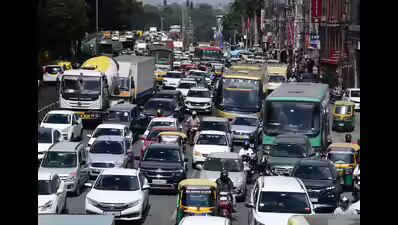
Delhi-NCR is experiencing an early spell of extreme heat, with temperatures climbing sharply through April and pushing the region into heatwave-like conditions that are disrupting daily life and straining urban systems. The rising temperatures, now crossing 40°C in several parts, underline the growing vulnerability of dense metropolitan regions to climate stress.
Weather agencies had warned of a rapid temperature rise, with forecasts indicating sustained heat through mid-April. This escalation has translated into real-world impacts—reduced outdoor activity, increased energy demand, and heightened health risks, particularly for vulnerable populations such as daily wage workers, the elderly, and children. Across North India, temperatures have surged between 43°C and 45°C, with Delhi among the regions facing prolonged hot and dry conditions. The intensity has been compounded by hot winds and the urban heat island effect, where built-up areas trap heat and prevent cooling, especially at night. The Delhi NCR heatwave is not just a weather event—it is increasingly being seen as an urban planning challenge. Experts point out that rapid concretisation, shrinking green cover, and limited shaded public spaces have amplified heat exposure in cities. In high-density neighbourhoods, the absence of cooling infrastructure such as tree-lined streets, water bodies, and reflective surfaces worsens thermal discomfort.
The consequences are already visible in urban systems. Electricity demand has surged as households and businesses rely heavily on cooling, placing pressure on power infrastructure. At a national level, peak electricity demand has already touched record highs amid the heatwave, highlighting the link between climate events and energy stress. Social systems are also adapting in real time. Schools across NCR have adjusted timings to minimise student exposure to peak heat hours, while authorities are considering early summer breaks if conditions persist. Simultaneously, local administrations have rolled out heat action measures such as water distribution points and mandated rest periods for outdoor workers. Urban planners argue that such responses, while necessary, remain largely reactive. The Delhi NCR heatwave highlights the need for long-term climate-resilient design—integrating cooling strategies into city planning rather than treating heat as a seasonal emergency. This includes promoting heat-resistant building materials, expanding urban forests, and redesigning public spaces to prioritise shade and ventilation.
There are also implications for economic productivity. Extreme heat reduces labour efficiency, particularly in construction, logistics, and informal sectors that depend on outdoor work. As cities continue to expand, the inability to manage heat stress could translate into tangible economic losses. Importantly, the frequency and intensity of such events are expected to increase. Climate projections indicate that India will see more heatwave days in the coming years, making adaptation not optional but essential. As Delhi-NCR navigates this early heatwave, the focus is shifting from short-term relief to systemic preparedness. The challenge ahead is not just to cope with rising temperatures, but to redesign cities in ways that make them more liveable, equitable, and resilient in a warming climate.