


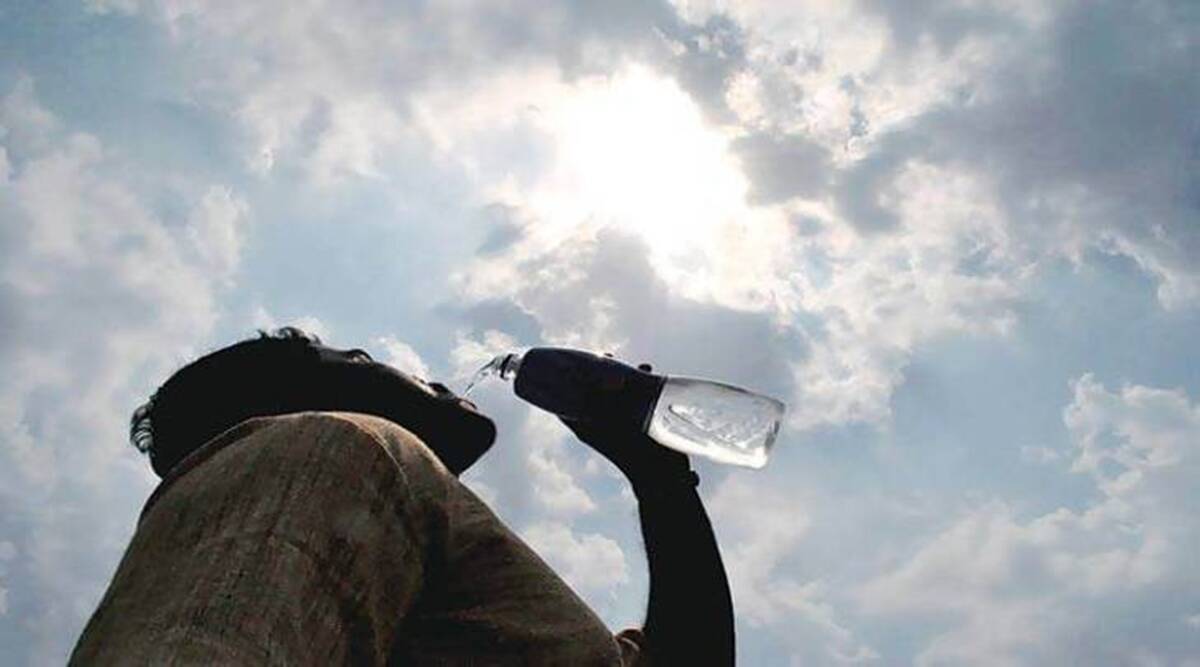
Chennai is likely to experience a sharp rise in temperatures in early May, with forecasts indicating that daytime highs could cross the 40°C mark. The anticipated heat surge underscores growing concerns around urban heat stress, infrastructure resilience, and public health in one of India’s largest coastal cities.
Meteorological projections suggest that the first week of May could bring intense heat conditions, driven by dry inland winds and limited cloud cover. While such temperature spikes are not unprecedented, their increasing frequency and early onset point to broader shifts in regional climate patterns. For Chennai, where humidity levels often compound heat discomfort, the impact on daily life can be significant.The emerging Chennai heatwave risk has implications that extend beyond weather discomfort. High temperatures place pressure on energy systems, with rising demand for cooling leading to peak electricity loads.Water resources are also affected, as evaporation rates increase and consumption patterns shift, particularly in densely populated neighbourhoods with limited access to reliable supply.Urban planners highlight that built environments play a critical role in amplifying or mitigating heat. Areas with high concrete density, limited tree cover, and inadequate ventilation tend to experience the “urban heat island” effect, where temperatures remain elevated even after sunset. In Chennai’s rapidly expanding zones, this raises questions about how future development can incorporate climate-sensitive design principles.Public health systems may also face challenges.
Prolonged exposure to extreme heat can lead to dehydration, heat exhaustion, and other related illnesses, particularly among vulnerable populations such as the elderly, outdoor workers, and those in informal housing. Experts emphasise the importance of early warnings, accessible cooling centres, and community awareness to reduce health risks.The Chennai heatwave risk also brings attention to long-term adaptation strategies.Measures such as reflective building materials, green roofs, improved urban forestry, and water-sensitive planning are increasingly being discussed as part of a broader resilience framework. These interventions not only reduce heat absorption but also contribute to overall environmental sustainability.From an economic perspective, extreme heat can disrupt productivity, especially in sectors reliant on outdoor labour and transport.Reduced working hours, higher operational costs, and strain on infrastructure systems can collectively impact urban efficiency. This makes heat management not just a climate issue but also a key factor in sustaining economic activity.As the city prepares for the upcoming temperature spike, authorities are expected to issue advisories and implement precautionary measures.However, the situation highlights a recurring challenge for Indian cities: adapting to intensifying climate conditions while maintaining liveability and growth.
Looking ahead, Chennai’s response to rising temperatures may shape how other coastal cities address similar risks. Strengthening resilience will require a combination of immediate safeguards and long-term planning that integrates climate realities into the urban development agenda.
Also Read:Kolkata Weather Alert Disrupts Poll Phase Preparedness
