


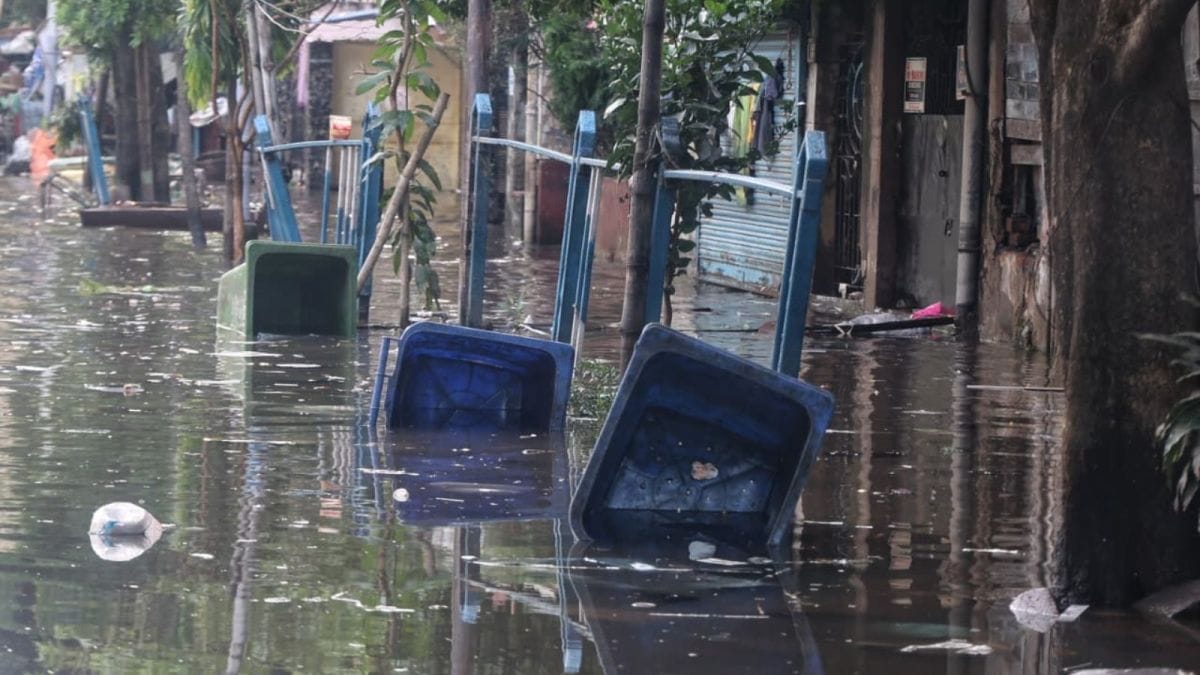
Kolkata is bracing for adverse weather conditions as forecasts indicate rain and thunderstorms coinciding with the ongoing election phase, raising concerns over voter turnout, urban preparedness, and civic resilience. The timing of the alert has placed added pressure on city authorities to ensure uninterrupted polling and public safety in one of India’s most densely populated metropolitan regions.
Weather agencies have projected a spell of rainfall accompanied by gusty winds and lightning across parts of the city and surrounding districts. Such conditions, while typical of seasonal transitions, carry heightened significance when aligned with major civic events. For a city like Kolkata, where infrastructure and mobility networks are already under strain, even short-duration storms can disrupt daily life and essential services.The anticipated impact extends beyond inconvenience. Polling operations rely heavily on smooth transport, accessible booths, and stable power supply—elements that can be compromised during thunderstorms. Election officials are expected to deploy contingency measures, including reinforced logistics and emergency response systems, to minimise disruption. However, urban planners point out that recurring weather-related challenges during key events expose deeper vulnerabilities in city systems.At the centre of the issue lies Kolkata’s evolving climate reality. Increasing instances of sudden, intense rainfall are being linked to broader patterns of climate variability affecting eastern India. This has implications for how cities design and maintain drainage, road networks, and public infrastructure.Areas prone to waterlogging may see reduced accessibility, particularly affecting elderly voters, persons with disabilities, and those in low-lying neighbourhoods.
Experts argue that such scenarios highlight the urgent need for climate-resilient urban planning. Integrating weather forecasting with civic operations—especially during large-scale events like elections—can improve preparedness. Real-time data sharing, decentralised emergency response, and adaptive infrastructure design are increasingly being seen as critical components of modern urban governance.From a governance perspective, the situation also underscores the importance of aligning civic systems with environmental realities. As cities grow denser and more complex, resilience planning must go beyond long-term strategies and translate into actionable, on-ground readiness. This includes ensuring that polling infrastructure is weather-proof, transport systems are flexible, and communication channels remain robust during disruptions.While authorities are likely to manage immediate challenges through temporary measures, the broader lesson lies in long-term preparedness.
Kolkata’s experience reflects a wider pattern across Indian cities, where climate-linked disruptions are intersecting with urban density and infrastructure gaps.As polling continues, the focus will remain on maintaining accessibility and safety for citizens. In the longer term, the episode may serve as a reminder that urban resilience is no longer optional—it is central to ensuring that civic processes, economic activity, and daily life can withstand an increasingly unpredictable climate.
Also Read:Kolkata New Town Infrastructure Gap Raises Urban Concerns
