


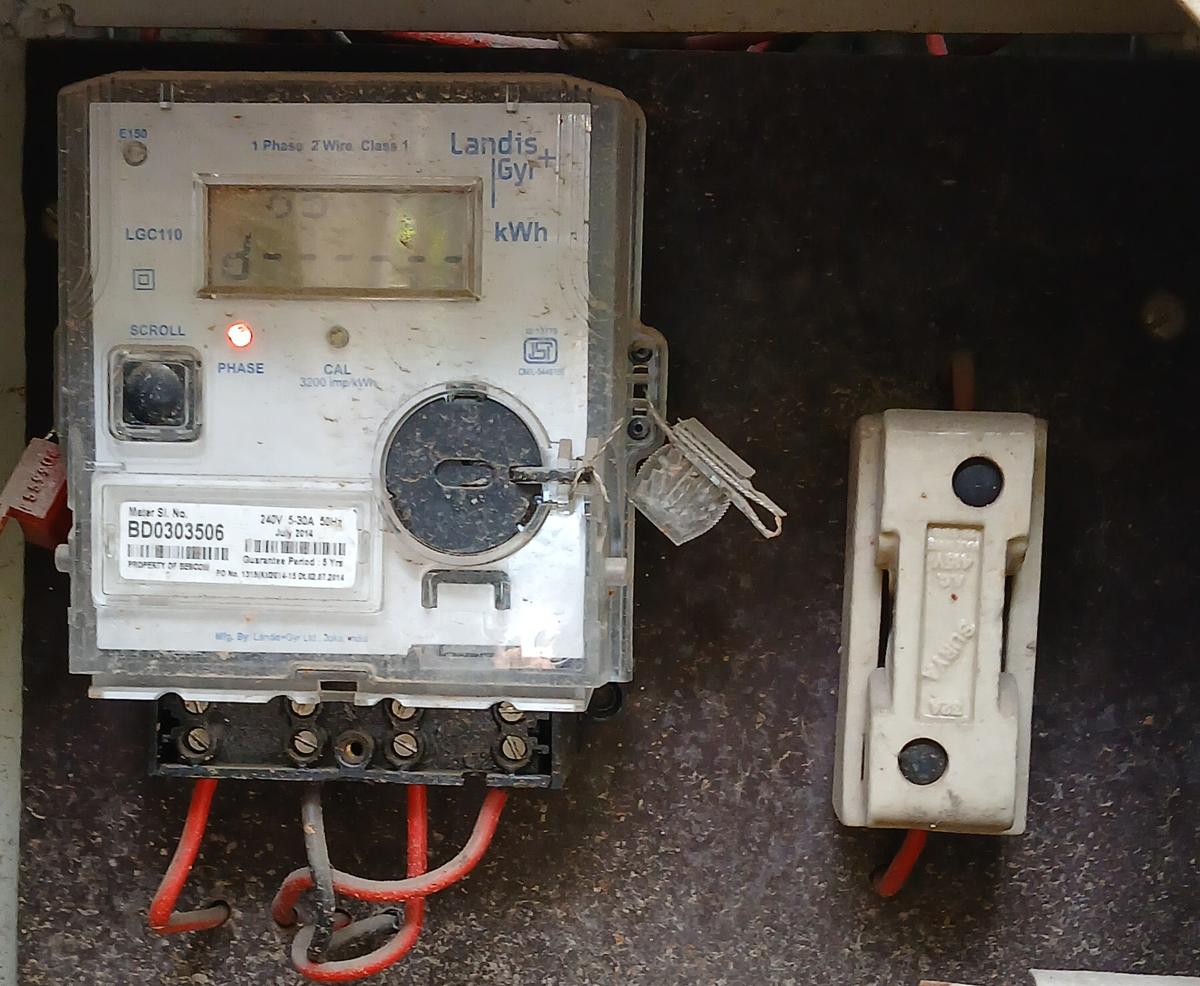
Bengaluru’s electricity services are undergoing a digital shift, with authorities enabling consumers to transfer power connections online in a simplified process. The initiative reflects a broader push towards e-governance and improved service delivery in rapidly growing urban centres.
The new system introduced by Bangalore Electricity Supply Company allows users to complete ownership transfers of electricity connections through an online interface, reducing the need for physical visits and paperwork. By digitising a process that was traditionally time-consuming, the move aims to enhance convenience for residents, particularly in a city with high levels of property transactions and rental mobility.For a metropolitan area like Bengaluru, where population growth and housing turnover remain strong, efficient utility services are essential to maintaining urban functionality.Delays in connection transfers can affect tenants, homeowners, and businesses, often leading to billing disputes or service interruptions. Streamlining the process is therefore seen as a step towards improving overall urban governance.The initiative aligns with the increasing adoption of digital public infrastructure across Indian cities. E-governance platforms are being used to simplify access to services, reduce administrative burden, and enhance transparency. In the case of electricity utilities, digital systems can also help maintain accurate records, improve billing efficiency, and reduce operational delays.
Urban policy experts note that such reforms contribute to building citizen-centric service models. By enabling online access, authorities can reduce friction in everyday interactions between residents and service providers. This is particularly important in cities where time and mobility constraints make in-person visits less feasible.However, the shift also brings attention to the need for digital inclusivity.While many users benefit from online systems, sections of the population with limited digital access or literacy may face challenges. Ensuring alternative support mechanisms, such as assisted service centres, will be important to maintain equitable access.From a sustainability perspective, digitising administrative processes can reduce paper usage and lower the environmental footprint associated with physical documentation and travel. While these gains may be incremental, they contribute to broader efforts towards resource efficiency in urban management.The move also highlights the growing role of data in managing city infrastructure. Digital platforms can provide insights into usage patterns, service demand, and operational efficiency, enabling more informed decision-making. Over time, such systems may support smarter grid management and improved service reliability.
As Bengaluru continues to evolve as a technology-driven city, the expansion of digital services in utilities marks a step towards more responsive and efficient governance. The success of such initiatives will depend on user adoption, system reliability, and the ability to integrate digital solutions with on-ground service delivery.
Also Read:Bengaluru Rail Connectivity Boost With New Train Services
