HomeCitiesNCR Metro Expansion Targets Hindon Connectivity Gap
NCR Metro Expansion Targets Hindon Connectivity Gap
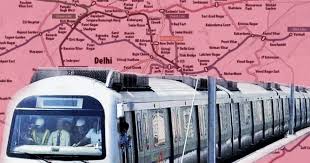
A proposed metro expansion linking Vaishali, Mohan Nagar and Gokulpuri is set to reshape mobility across Ghaziabad and East Delhi, with planners aiming to improve access to Hindon Airport and strengthen integration with the Namo Bharat regional rail network. The project signals a shift towards closing long-standing connectivity gaps in one of NCR’s fastest-growing yet infrastructure-stressed corridors.
The proposed corridor—spanning roughly 16 kilometres—will extend existing metro lines deeper into Ghaziabad while connecting with key interchanges across Delhi’s network. By linking with the high-speed Namo Bharat RRTS, the project is expected to create a more seamless travel chain between regional and intra-city transit systems. For daily commuters, the most immediate impact lies in improved access to Hindon Airport, which has long struggled with weak last-mile connectivity despite its strategic location. At present, passengers rely heavily on road-based travel, often facing congestion and fragmented transport options. Urban mobility experts view the corridor as a critical missing link in NCR’s broader transit ecosystem. While the region has seen rapid expansion of metro and regional rail systems, interconnectivity between these modes remains uneven. Projects like this aim to reduce transfer friction, shorten travel times, and improve accessibility for peripheral urban populations.
The alignment is also expected to connect dense residential and commercial clusters across Vaishali, Vasundhara, and surrounding Ghaziabad zones—areas that have witnessed rapid real estate growth but lag in public transport depth. By extending rail-based transit into these neighbourhoods, authorities hope to ease pressure on arterial roads while improving commuting reliability. However, the project underscores a recurring urban challenge: infrastructure is often built in phases, leaving gaps that take years to bridge. Hindon Airport, for instance, was developed to decentralise air traffic from Delhi but continues to face utilisation constraints partly due to inadequate connectivity. The proposed metro link attempts to address this structural imbalance. From a sustainability perspective, integrating metro systems with regional rapid transit can significantly reduce dependence on private vehicles, especially in intercity corridors. Fewer road-based trips translate into lower emissions, improved air quality, and more efficient land use—key priorities for NCR, which continues to battle pollution and urban sprawl. Yet, planners caution that rail expansion alone will not resolve mobility challenges unless supported by last-mile solutions such as feeder services, pedestrian infrastructure, and transit-oriented development. Without these, high-capacity systems risk underutilisation or inequitable access.
The project also aligns with a broader policy push to develop multimodal transport hubs across NCR, where metro, bus, rail, and regional transit systems intersect. Such hubs are increasingly seen as essential to managing urban growth while ensuring that infrastructure investments translate into real commuter benefits. As the proposal moves through planning stages, its long-term impact will depend on execution timelines, integration with existing systems, and the ability to prioritise accessibility alongside expansion. For a region where connectivity defines economic opportunity, the success of this corridor could influence how future urban transport networks are designed and delivered.
NCR Metro Expansion Targets Hindon Connectivity Gap