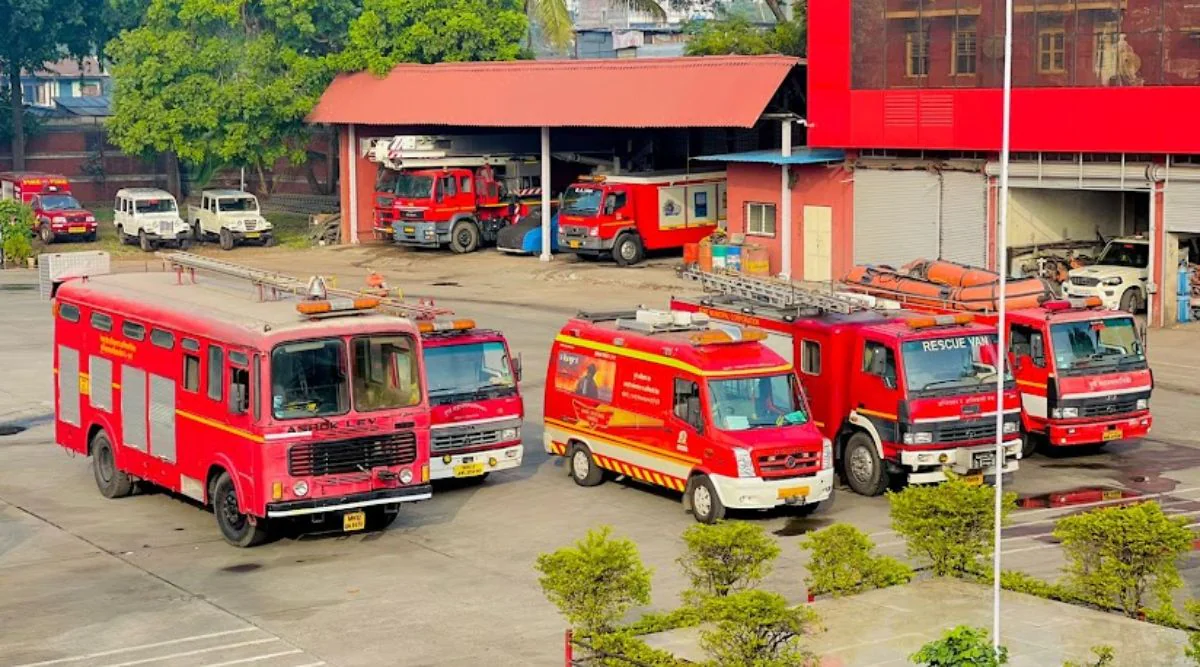
India Firefighting Overhaul Exposes Infrastructure Deficit
India is preparing a structural overhaul of its firefighting ecosystem, with plans to introduce formal testing systems for fire vehicles and upgrade national safety infrastructure—an intervention that reflects deep-rooted gaps in urban emergency preparedness. The move comes amid growing concern that rapid urbanisation is outpacing the country’s ability to respond effectively to fire-related risks.
At the centre of this shift is the absence of standardised testing for firefighting vehicles, a critical gap in a country that produces thousands of such units annually. Policymakers are now exploring the creation of dedicated testing facilities or expanding the mandate of existing automotive certification bodies to evaluate fire-specific equipment under Indian conditions. The urgency of reform is underscored by data from national fire authorities, which point to severe shortages across the system. India currently operates far fewer fire stations, personnel, and specialised vehicles than recommended norms, leaving both dense urban centres and smaller towns vulnerable to delayed response times. Urban experts note that these gaps are not merely technical but structural. As cities densify, fire risks increase due to high-rise construction, mixed land use, electrical load pressures, and congested access routes. In many Indian cities, narrow streets and informal settlements further complicate emergency access, making even well-equipped fire services less effective on the ground.
The proposed India fire safety upgrade is part of a broader national programme launched in recent years to modernise fire services, backed by central funding aimed at improving infrastructure and manpower capacity. However, implementation has been uneven across states, with local agencies often constrained by funding, training gaps, and fragmented governance systems. A key focus of the new approach is quality assurance. Without proper testing protocols, firefighting vehicles and equipment may not perform reliably under stress conditions such as high temperatures, dense smoke, or complex urban terrains. Establishing testing standards is expected to improve both safety outcomes and procurement efficiency, ensuring that public investments translate into operational readiness. The India fire safety upgrade also aligns with a broader rethinking of urban resilience. Fire incidents in cities are increasingly linked to climate-related stressors, including heatwaves that heighten electrical risks and strain infrastructure systems. Integrating fire safety into climate-resilient planning—through better building codes, evacuation systems, and emergency response networks—is becoming a policy priority.
However, experts caution that infrastructure upgrades alone will not resolve systemic vulnerabilities. Training, maintenance, and enforcement of safety norms remain equally critical. Recent audits and inspections across urban regions have repeatedly revealed non-compliance in buildings, malfunctioning equipment, and gaps in emergency preparedness. For cities, the challenge lies in bridging the gap between policy intent and local execution. A modern firefighting system requires not just advanced vehicles and stations, but also coordinated urban planning, accessible road networks, and strict adherence to safety regulations across both formal and informal developments. As India expands its urban footprint, the success of this overhaul will depend on whether it can move beyond reactive responses to fires and build a preventive, standardised, and citizen-centric safety framework. Strengthening fire services is no longer a standalone sectoral goal—it is central to building safer, more resilient cities.