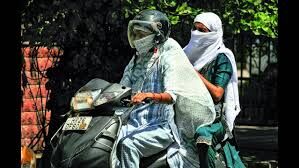
Gurugram continues to grapple with persistently high temperatures, as daytime heat remains above 40°C and nights offer little relief, placing sustained pressure on daily life and urban systems. The prolonged spell of Gurugram heat stress is emerging as more than a seasonal fluctuation, signalling deeper vulnerabilities in how rapidly expanding cities respond to rising climate extremes.
Weather observations indicate that maximum temperatures have hovered around 40–41°C in recent days, while minimum temperatures have stayed unusually elevated. This combination has intensified discomfort levels, particularly for residents without access to cooling infrastructure. Experts point out that warmer nights are a critical factor in heat-related stress, as they reduce the body’s ability to recover from daytime exposure. Forecasts suggest that a temporary dip in temperatures may occur with the arrival of a western disturbance, bringing light rain, gusty winds, and cloud cover. While this may offer short-term respite, urban planners caution that such episodic weather changes do little to address the underlying drivers of Gurugram heat stress, which are increasingly structural rather than seasonal. At the city level, the effects are already visible. Reduced outdoor activity during peak hours, rising dependence on air conditioning, and increased strain on electricity networks reflect how heat directly impacts productivity and infrastructure performance. For a city heavily reliant on private vehicles and outdoor labour, extreme heat disrupts both economic activity and mobility patterns.
The Gurugram heat stress also exposes spatial inequalities. While residents in formal housing or commercial zones may mitigate heat exposure through controlled environments, informal workers, construction labourers, and street vendors remain disproportionately affected. This uneven impact highlights the need for more inclusive and people-first climate adaptation strategies. Urban design remains a key factor in amplifying or mitigating heat. Gurugram’s rapid urbanisation—characterised by dense construction, limited tree cover, and expansive paved surfaces—has intensified the urban heat island effect. These built environments absorb and retain heat, leading to higher local temperatures compared to surrounding rural areas. Experts emphasise that addressing Gurugram heat stress requires a shift from reactive measures to long-term planning interventions. These include increasing urban green cover, designing shaded pedestrian pathways, promoting reflective building materials, and integrating water-sensitive infrastructure. Such measures not only reduce heat exposure but also improve overall urban liveability.
The issue also intersects with energy sustainability. As temperatures rise, electricity demand for cooling surges, placing pressure on already stretched power systems. Without parallel investments in energy efficiency and renewable sources, cities risk entering a cycle of higher emissions and increased heat vulnerability. Looking ahead, climate projections indicate that cities across NCR will experience more frequent and intense heat events. For Gurugram, this means that managing heat will become central to urban planning, rather than a seasonal concern. As the city awaits temporary relief from shifting weather patterns, the broader challenge remains—how to redesign urban growth in a way that balances development with resilience. The current conditions offer a clear signal that climate-responsive planning is no longer optional but essential for sustaining urban life.