


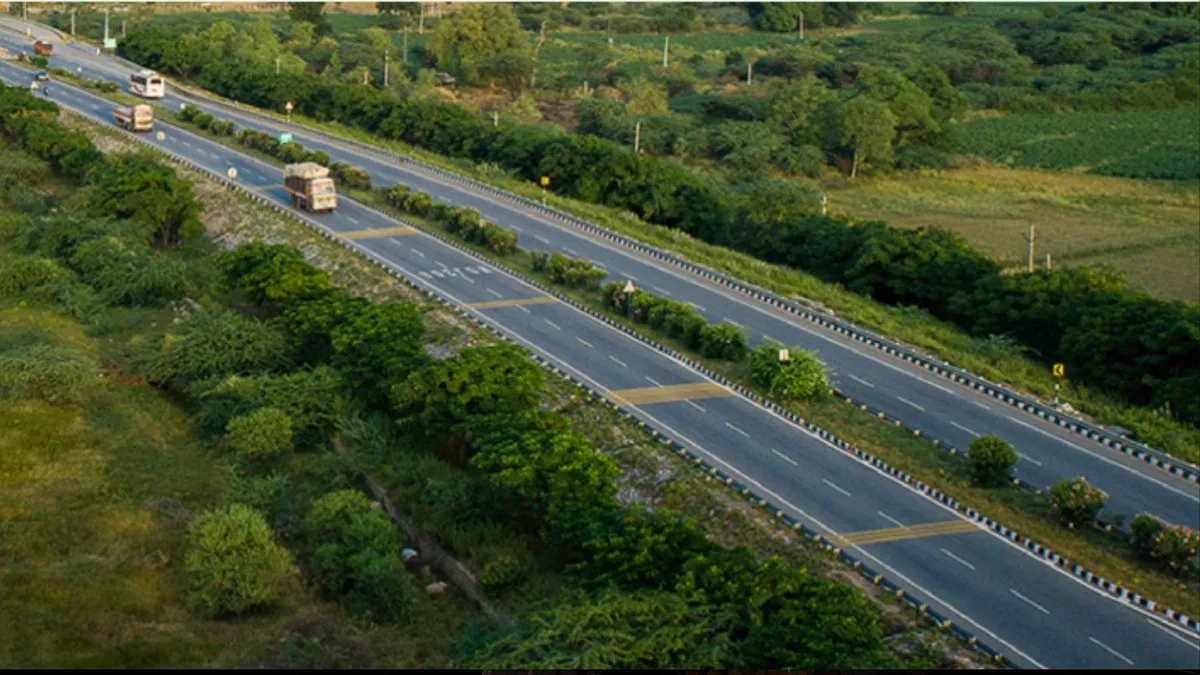
A proposed six-lane greenfield highway linking Ahmedabad to the Delhi–Mumbai Expressway is set to reshape regional connectivity, offering faster freight and passenger movement while opening new corridors for urban and industrial growth. The project, planned by national highway authorities, is expected to enhance access between Gujarat’s economic centres and one of India’s most critical transport arteries. The corridor is designed as a high-capacity route to reduce travel time and decongest existing highways, particularly for long-distance logistics.
For Ahmedabad, the link could strengthen its role as a gateway for trade, connecting manufacturing and commercial hubs more efficiently to northern and western markets. The Ahmedabad greenfield highway is likely to drive economic activity along its alignment, with potential for industrial clusters, warehousing zones, and real estate development. Improved connectivity often attracts investment, particularly in logistics and supply chain sectors that depend on predictable transit times. However, urban planners caution that such large-scale infrastructure projects must be accompanied by careful land-use planning. Greenfield corridors, while efficient, can trigger unplanned expansion if zoning regulations and development controls are not enforced. This can lead to fragmented growth and increased pressure on natural resources. The Ahmedabad greenfield highway also raises environmental considerations. New road construction involves land acquisition and potential ecological disruption, including impacts on agricultural land and biodiversity. Experts emphasise the need for mitigation strategies such as green buffers, wildlife crossings, and sustainable construction practices. From a mobility perspective, the highway could improve freight efficiency and reduce congestion within urban areas by diverting heavy traffic away from city roads. This can enhance road safety and reduce travel delays for both commercial and private vehicles. There are also implications for sustainability. While highways improve connectivity, they can encourage increased vehicle usage if not balanced with investments in public transport and rail systems. Integrating multimodal transport planning will be essential to ensure that mobility improvements do not lead to higher emissions.
For Ahmedabad, the project represents both opportunity and responsibility. Enhanced connectivity can support economic growth and regional integration, but it must be managed in a way that aligns with long-term urban resilience and environmental goals. As the project moves through planning and approval stages, attention will focus on execution, stakeholder engagement, and sustainability safeguards. The success of the corridor will depend on how effectively it balances infrastructure expansion with inclusive and climate-conscious urban development.
ALSO READ – Surat Vande Bharat Upgrade Boosts Rail Capacity
Ahmedabad Greenfield Highway To Boost Regional Connectivity
