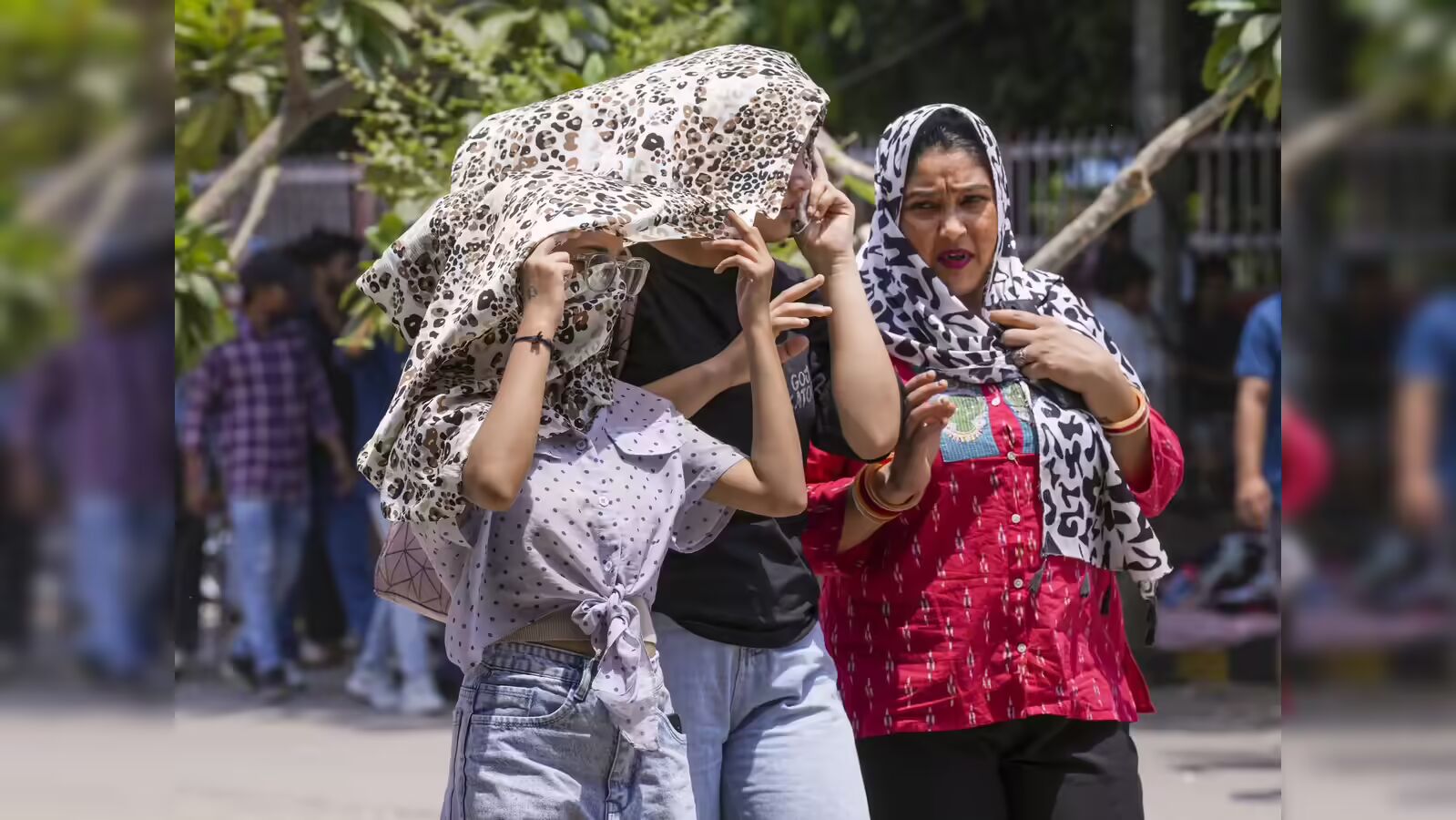
Delhi Heatwave Warning Raises Public Health Concerns
Delhi is bracing for an intense spell of extreme heat, with meteorological authorities issuing a heatwave alert as temperatures are projected to rise sharply through the week. Forecasts suggest that daytime highs could approach or exceed 43°C, marking an early escalation of summer conditions and raising concerns about the city’s preparedness for recurring climate stress.
The alert signals more than just a weather fluctuation—it reflects a pattern of increasingly frequent and severe heat events affecting dense urban regions. Current observations already show temperatures hovering above normal levels, with a steady rise expected over several days due to dry winds and clear skies. For a city like Delhi, the implications extend beyond discomfort. The Delhi heatwave alert places immediate pressure on public health systems, particularly for outdoor workers, elderly populations, and those living in informal housing with limited access to cooling. Heat-related illnesses, including dehydration and heatstroke, are likely to rise as exposure increases during peak daytime hours. Urban infrastructure is also expected to come under strain. Electricity demand typically surges during heatwaves as cooling needs escalate, pushing distribution systems to operate near peak capacity. Simultaneously, water demand rises sharply, exposing existing gaps in supply networks—especially in peripheral and underserved areas. These overlapping pressures highlight the vulnerability of essential urban services during extreme weather conditions.
Environmental experts emphasise that such heat episodes are being intensified by the built environment itself. The “urban heat island” effect—caused by concrete surfaces, reduced vegetation, and dense construction—can raise local temperatures significantly above surrounding areas. In Delhi, where green cover has been unevenly distributed amid rapid expansion, this effect compounds the severity of heatwaves. The Delhi heatwave alert also reflects broader climate trends across northern India, where rising baseline temperatures are making heatwaves both earlier and more prolonged. Urban planners note that cities must now treat extreme heat as a recurring infrastructure challenge rather than an occasional hazard. Short-term advisories—such as limiting outdoor exposure and increasing hydration—remain critical, but experts argue that long-term responses must be structural. Expanding urban green spaces, promoting heat-resilient building materials, and designing shaded public areas are increasingly seen as essential interventions.
Additionally, city-level heat action plans need to incorporate labour protections and community-level cooling strategies to reduce risk exposure. As Delhi enters a more intense phase of summer, the focus will be on immediate mitigation. However, the recurring nature of such alerts underscores a deeper challenge: adapting urban development to a warming climate. How effectively the city integrates resilience into planning will determine not just its ability to manage heatwaves, but its overall liveability in the years ahead.