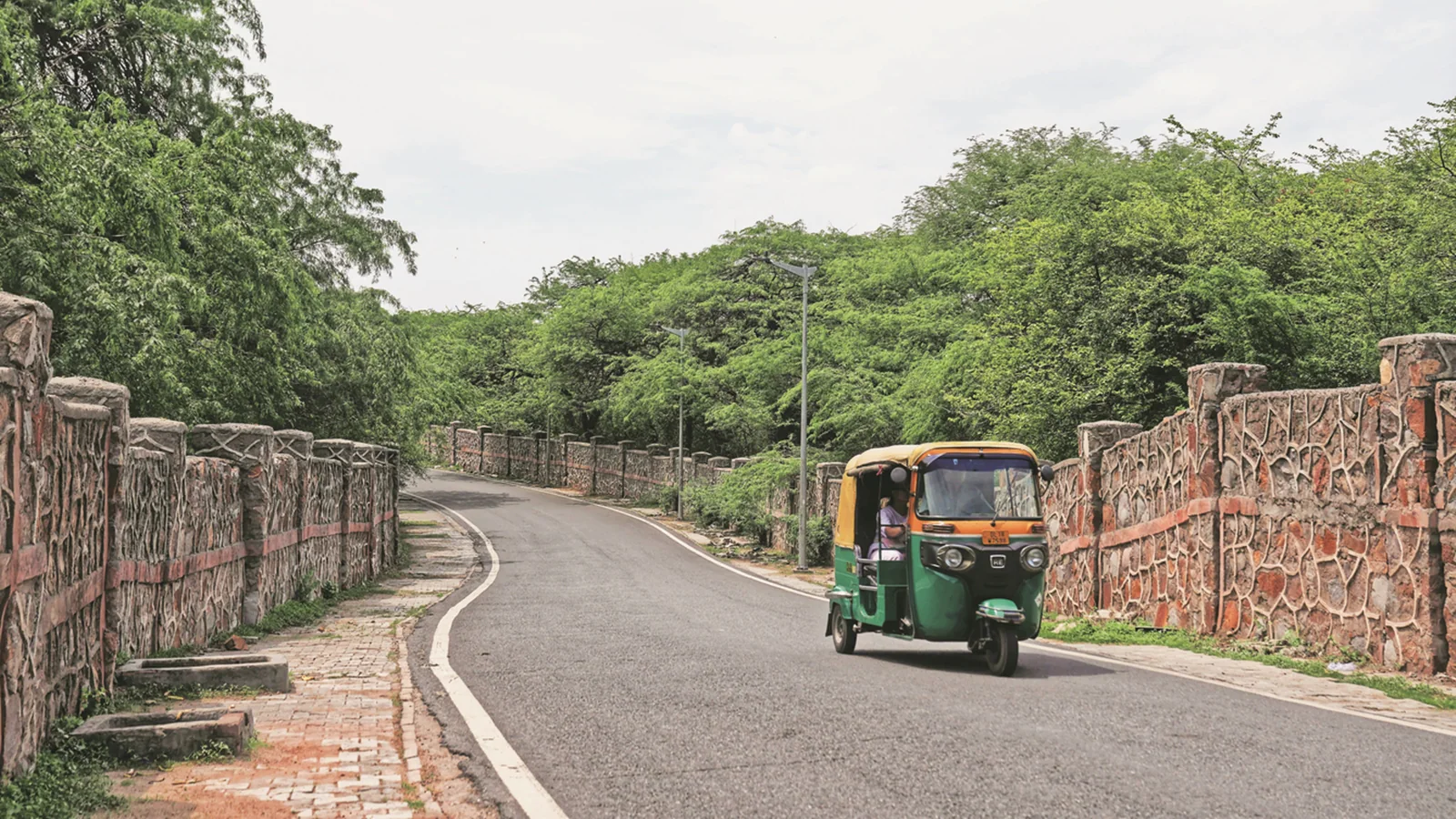
Delhi Ridge Project Halt Signals Environmental Sensitivity
A proposed anti-termite treatment project in Delhi’s ecologically sensitive Ridge has been withdrawn, signalling a cautious shift in how urban forest interventions are assessed in the capital. The decision comes amid rising scrutiny over the environmental implications of using chemical treatments in one of the city’s most critical green zones, often described as Delhi’s natural ecological buffer.
The withdrawn tender had proposed soil treatment measures to protect newly planted saplings from termite activity. However, concerns emerged around the potential use of hazardous chemicals and their impact on soil biodiversity, groundwater quality, and surrounding ecosystems. The Ridge, a legally protected forest area, plays a vital role in maintaining Delhi’s microclimate, air quality, and ecological balance—making any intervention in the area highly sensitive. Environmental experts have long cautioned against treating natural forest ecosystems as landscaped spaces. Termites, often seen as pests in urban settings, are considered essential to forest health, contributing to soil aeration, nutrient cycling, and long-term ecological stability. The use of chemical agents such as lindane—globally restricted due to toxicity—and chlorpyrifos has raised alarms about unintended consequences, including harm to beneficial organisms and contamination risks. The episode highlights a broader tension in urban environmental management: balancing restoration efforts with ecological integrity. In recent years, city authorities have undertaken plantation drives and “theme-based” forest initiatives aimed at increasing green cover.
However, critics argue that such approaches can sometimes prioritise aesthetic or short-term outcomes over natural regeneration processes. The Delhi Ridge tender withdrawal underscores the need for evidence-based, ecologically sensitive planning in urban forests. Unlike parks or landscaped gardens, forest ecosystems require minimal human interference to sustain biodiversity. Interventions that alter soil composition or introduce chemicals can disrupt these systems, potentially reversing conservation gains. From a governance perspective, the decision also reflects the growing role of public scrutiny and environmental oversight in shaping urban policy. In cities facing mounting climate pressures, green spaces are no longer peripheral—they are central to resilience strategies. The Ridge, often referred to as Delhi’s “green lungs,” serves as a natural barrier against desertification and extreme heat, making its preservation critical in the face of rising temperatures and urban expansion.
The Delhi Ridge tender withdrawal also raises questions about institutional processes. Experts suggest that environmental impact assessments and stakeholder consultations should be embedded earlier in project planning, rather than prompting corrective action after proposals are floated. Strengthening these frameworks could help prevent conflicts while ensuring that urban greening initiatives remain aligned with ecological principles. As Delhi continues to expand and densify, the management of its remaining natural assets will become increasingly important. The withdrawal of the tender offers a moment to recalibrate how urban forests are approached—not as spaces to be engineered, but as ecosystems to be protected and restored with minimal intervention.