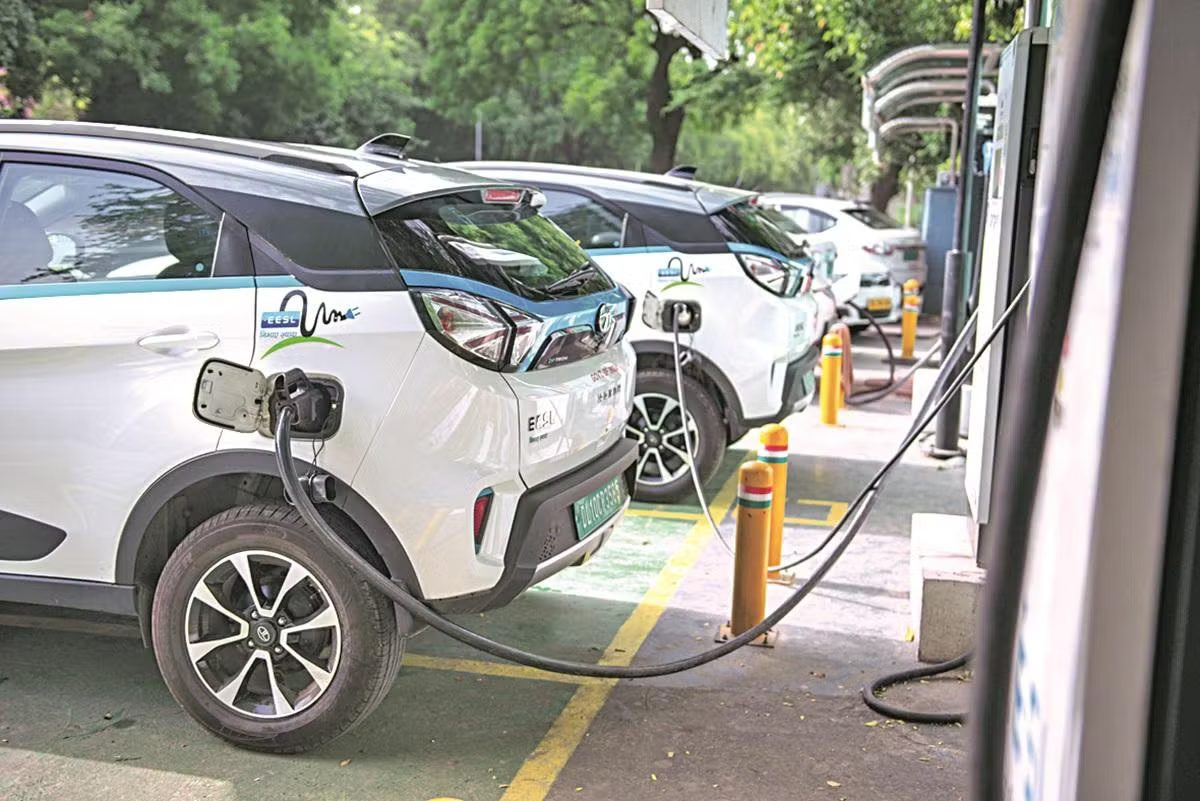
Delhi’s evolving electric mobility framework is beginning to expose a critical mismatch between policy ambition and infrastructure readiness, raising questions about how quickly the city can transition to cleaner transport. While the proposed roadmap aims to accelerate electric vehicle adoption, gaps in charging availability could shape both consumer behaviour and industry strategy in the coming years. The Delhi EV Policy is widely seen as a bellwether for urban mobility regulation in India. Although the capital represents a modest share of national vehicle sales, its policy direction often influences other metropolitan regions. By introducing stricter timelines for electrification alongside financial incentives, the framework marks a shift towards a more compliance-driven approach to clean transport.
This transition is already affecting the automotive sector. Industry analysts observe a growing divide between manufacturers that have invested in electric platforms and those still dependent on conventional technologies. Companies with established EV supply chains and product pipelines are better positioned to respond to regulatory changes, while others may face increasing pressure to accelerate their transition strategies. However, infrastructure remains a decisive factor. The effectiveness of the Delhi EV Policy will depend heavily on the availability of reliable and accessible charging networks. Despite plans to expand public charging points, challenges persist around land allocation, grid capacity, and operational efficiency. In dense urban areas, where space is limited, deploying charging stations at scale remains a complex task. For everyday users, these constraints translate into uncertainty. Limited charging access can deter first-time buyers and create operational challenges for fleet operators, including ride-hailing services and last-mile delivery providers. Urban mobility experts caution that without parallel investments in infrastructure, adoption targets may not translate into actual usage on the ground.
The implications extend beyond transport into financial and real estate markets. Investors are increasingly evaluating companies based on their preparedness for electric mobility, with firms demonstrating clear EV strategies attracting stronger market confidence. At the same time, developers are being pushed to incorporate charging infrastructure into residential and commercial projects, reflecting a broader integration of mobility and built environment planning. From a sustainability perspective, the policy aligns with efforts to reduce urban emissions and improve air quality. Yet, the transition also underscores the importance of systemic coordination. Ensuring that electricity supply, urban design, and transport planning evolve together will be key to achieving long-term climate goals. There are also concerns about maintaining affordability and reliability as the market evolves. A rapid shift without adequate infrastructure could lead to bottlenecks, affecting both consumer trust and operational efficiency. Policymakers will need to balance regulatory ambition with practical implementation to avoid unintended disruptions.
As the Delhi EV Policy moves closer to execution, its success will depend on bridging the gap between targets and infrastructure capacity. The experience of the capital is likely to offer lessons for other cities navigating similar transitions, particularly in aligning clean mobility goals with urban realities and inclusive access.