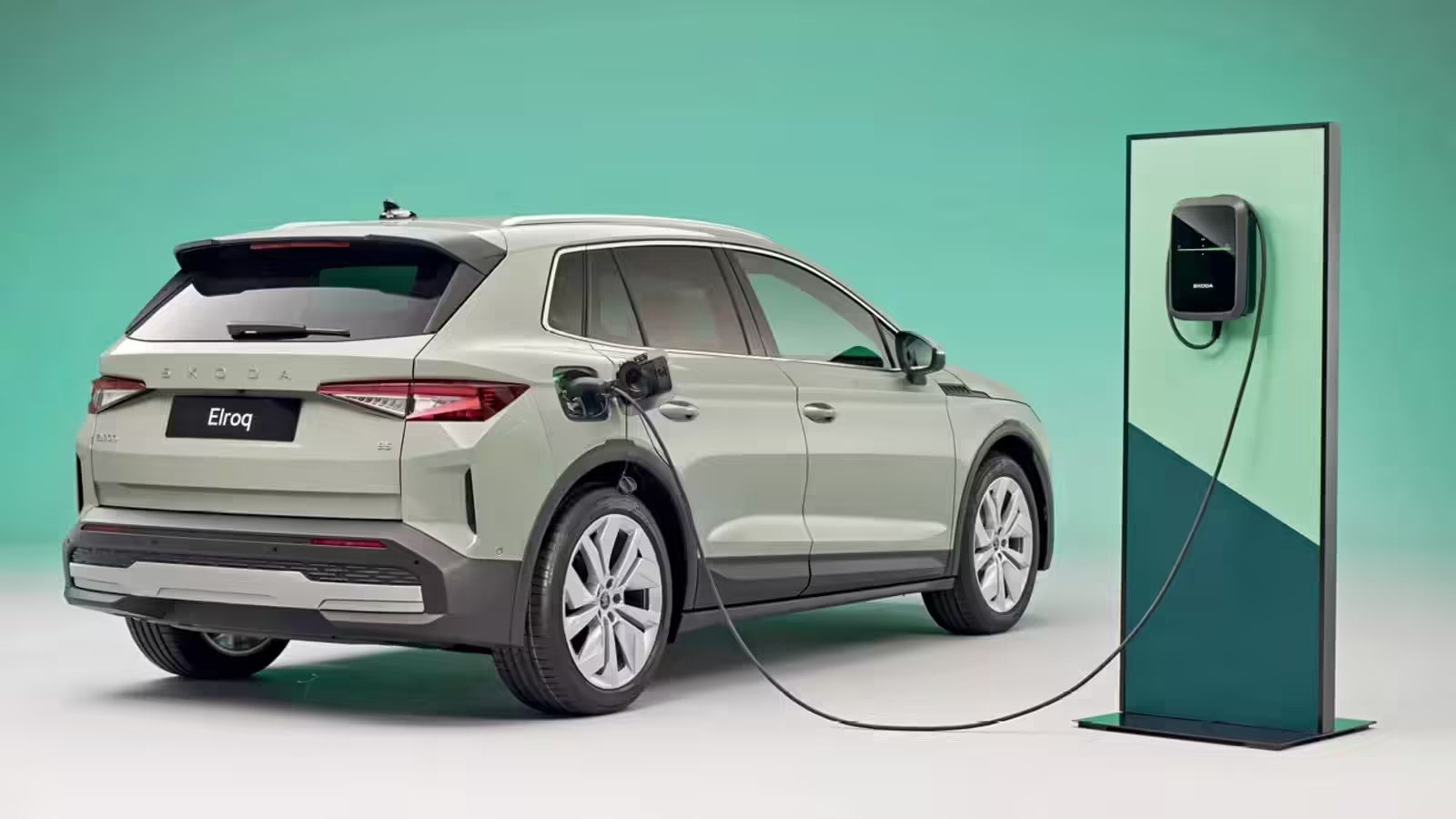
Delhi’s next electric mobility framework is moving into a more execution-focused phase, with the proposed roadmap for 2026–2030 placing greater emphasis on timelines, infrastructure readiness, and systemic integration. The shift signals a transition from policy intent to on-ground delivery, at a time when the capital faces mounting pressure to address air pollution and urban transport emissions. The Delhi EV Policy 2026 is expected to widen adoption across vehicle categories while addressing structural gaps that have slowed progress in previous phases. Unlike earlier approaches centred largely on incentives, the new framework introduces clearer direction on infrastructure rollout, supply chain alignment, and regulatory compliance, reflecting a more mature stage of the city’s clean mobility journey.
A central element of the policy is its focus on battery lifecycle management. By strengthening extended producer responsibility norms and linking them with national waste regulations, the plan aims to ensure that end-of-life batteries are safely processed and reintegrated into the value chain. Industry experts suggest this could reduce environmental risks while supporting the growth of recycling and resource recovery industries, which are emerging as critical components of sustainable urban economies. The policy also outlines a calibrated reduction in the use of conventional fuel vehicles, particularly in segments such as two-wheelers that dominate daily commuting patterns. Analysts view this as a move towards regulatory certainty, providing clearer signals for manufacturers and fleet operators. However, they emphasise that such targets must be supported by adequate charging infrastructure and grid capacity to avoid disruptions for users. Charging access remains a key determinant of adoption. The Delhi EV Policy 2026 places importance on expanding both public and private charging networks, including solutions suited to dense neighbourhoods where space is limited. Urban planners point to the need for decentralised systems—such as community charging hubs and building-integrated solutions—to ensure equitable access across income groups and geographies.
For the real estate sector, the evolving framework introduces new design and compliance considerations. Developers are likely to incorporate EV-ready provisions into residential and commercial projects, aligning with broader sustainability benchmarks and future-proofing assets. This shift also ties into wider efforts to create low-emission urban environments, where transport, buildings, and energy systems are increasingly interconnected. Another notable aspect is the push for streamlined approvals and digital coordination in infrastructure deployment. Delays in permissions have historically slowed project implementation, and the move towards integrated systems could improve efficiency and transparency in execution. Despite broad support from industry stakeholders, the success of the policy will depend heavily on coordination across agencies and consistent enforcement. Managing the financial implications for distribution utilities, ensuring affordability for consumers, and maintaining grid stability will require careful planning as adoption scales up.
As Delhi advances its clean mobility ambitions, the coming years will determine whether the Delhi EV Policy 2026 can translate structured intent into measurable outcomes. If effectively implemented, it could reshape commuting patterns, reduce emissions, and strengthen the city’s transition towards a more resilient and low-carbon urban future.