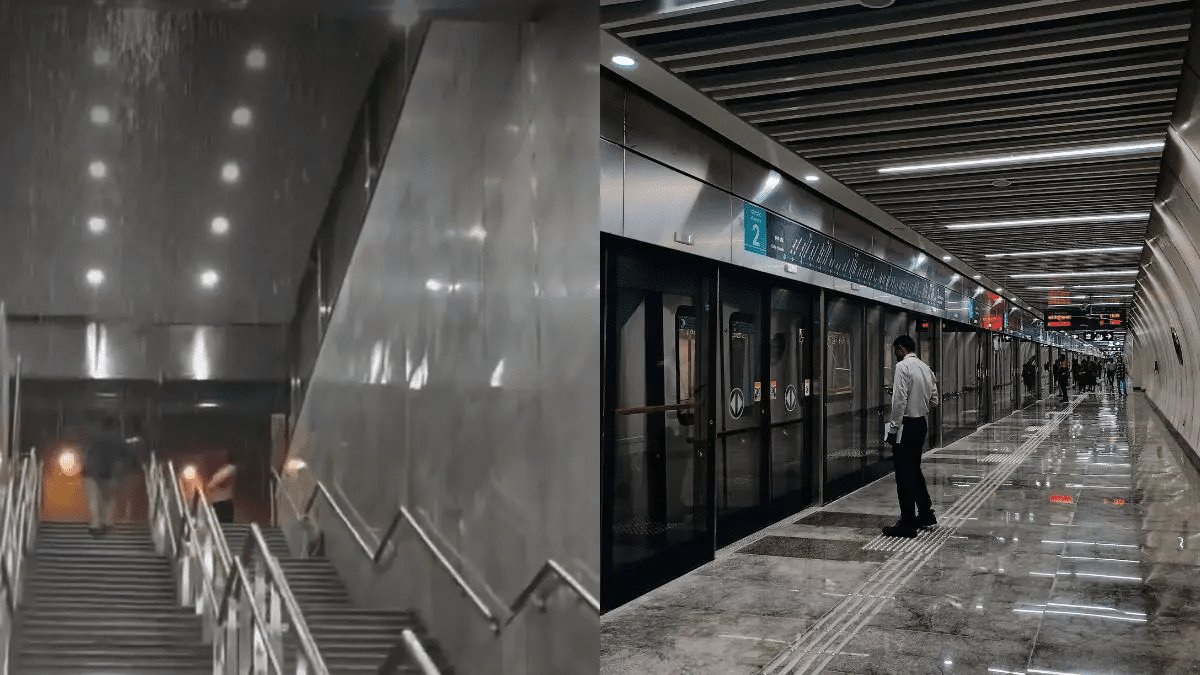
Mumbai Metro Cleanliness Drive Targets Public Spaces
Mumbai’s metro network is set to undertake a system-wide sanitation initiative aimed at improving commuter experience and public hygiene, reflecting a broader shift towards cleaner and more accountable urban transport environments. The operator of the Versova–Ghatkopar corridor will roll out a multi-day Mumbai Metro cleanliness drive beginning October 2, aligning the effort with national sanitation goals while focusing on station premises and surrounding public areas. The initiative will involve coordinated cleaning activities across entry points, pedestrian access zones, and operational spaces within the metro network.
Urban mobility experts note that such interventions, while symbolic in timing, address a persistent challenge in Indian cities—maintaining cleanliness standards in high-footfall public infrastructure. Metro systems, often seen as modern transit solutions, are increasingly being evaluated not just on efficiency but also on hygiene, accessibility, and user comfort. The Mumbai Metro cleanliness drive is expected to extend beyond routine housekeeping by targeting areas that directly affect commuter movement, including staircases, lifts, and station approaches. These zones often experience heavy usage and require frequent upkeep to prevent deterioration and ensure safe access for all users, including elderly passengers and those with limited mobility. Officials indicate that the effort will involve collaboration between operational staff, maintenance teams, and contracted service providers, alongside voluntary participation from commuters. Urban planners suggest that such participatory models can help build long-term behavioural change, encouraging shared responsibility for public assets.
From a sustainability perspective, maintaining clean transit infrastructure is closely linked to broader environmental goals. Efficient waste management, reduced littering, and cleaner public spaces contribute to improved urban health outcomes and support the transition towards more sustainable modes of transport. Clean and well-maintained metro systems are also more likely to attract higher ridership, reducing dependence on private vehicles and lowering emissions. However, experts caution that periodic drives must be complemented by continuous systems for waste handling, monitoring, and enforcement. Without sustained operational changes, short-term campaigns risk limited long-term impact. Integrating technology, such as real-time monitoring of cleanliness standards and improved waste segregation practices, could enhance effectiveness. The focus on station surroundings also highlights the importance of last-mile environments in shaping commuter perceptions. Even well-maintained transit systems can lose appeal if access areas remain neglected. Ensuring clean and safe pedestrian pathways is therefore critical to building a seamless urban mobility experience.
As Mumbai continues to expand its metro network, initiatives like the Mumbai Metro cleanliness drive underscore the need to embed maintenance and user experience into infrastructure planning. The long-term success of public transport systems will depend not only on connectivity and capacity but also on how well they serve the everyday needs of the people who rely on them.