


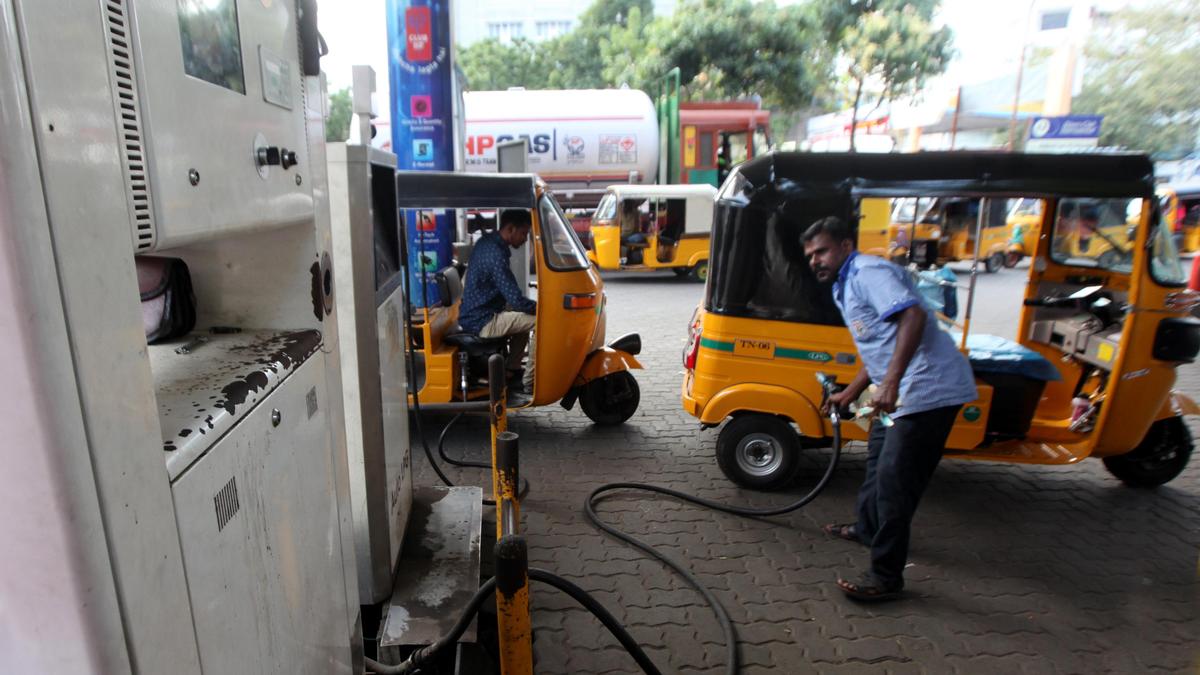
A shortage of liquefied petroleum gas (LPG) in Chennai has forced a significant number of autorickshaws off the roads, disrupting daily commutes and exposing vulnerabilities in the city’s urban transport and fuel supply systems.
The situation has affected both drivers’ incomes and commuter mobility, particularly in areas reliant on intermediate public transport.The disruption stems from reduced LPG availability at refuelling points, leading to long queues and limited access for auto drivers who depend on the fuel for daily operations.With many unable to secure timely refills, services have been curtailed, leaving commuters with fewer options during peak travel hours.The Chennai LPG shortage has highlighted the fragile link between energy supply chains and urban mobility.Autorickshaws play a crucial role in bridging first- and last-mile connectivity, especially in neighbourhoods underserved by formal public transport. When such services are interrupted, the impact is felt disproportionately by lower- and middle-income commuters who rely on affordable transport options.Urban mobility experts note that dependence on a single fuel source can create systemic risks. In Chennai, where a large segment of the auto fleet runs on LPG, supply disruptions can quickly translate into citywide mobility challenges. Diversifying energy options, including a transition to electric or hybrid systems, is increasingly being seen as a way to build resilience.The economic impact on drivers is immediate and significant. Daily earnings are closely tied to vehicle usage, and prolonged downtime can lead to financial strain.
Many drivers operate within informal or semi-formal structures, with limited financial buffers to absorb such shocks. This raises broader concerns about income security within the urban transport workforce.From an environmental perspective, the crisis presents both challenges and opportunities.While LPG is considered a cleaner alternative to conventional fuels, inconsistent supply may push some operators towards less sustainable options if alternatives are not managed effectively. At the same time, the disruption could accelerate conversations around cleaner and more stable energy transitions in the transport sector.The Chennai LPG shortage also underscores the importance of coordinated urban governance. Ensuring consistent fuel supply requires alignment between energy providers, transport authorities, and local administration.Real-time monitoring systems and contingency planning could help mitigate the impact of such disruptions in the future.For commuters, the immediate concern remains accessibility and affordability.Reduced auto availability often leads to higher fares and longer waiting times, affecting productivity and daily routines. In a city already grappling with traffic congestion, such disruptions add another layer of complexity to urban mobility management.
As Chennai navigates this supply challenge, the focus is likely to shift towards building a more resilient and diversified transport ecosystem. Strengthening fuel infrastructure, supporting driver livelihoods, and exploring sustainable mobility solutions will be key to ensuring that similar disruptions do not undermine the city’s transport reliability in the future.
Also Read:Kolkata Street Art Movement Transforms Public Spaces
