


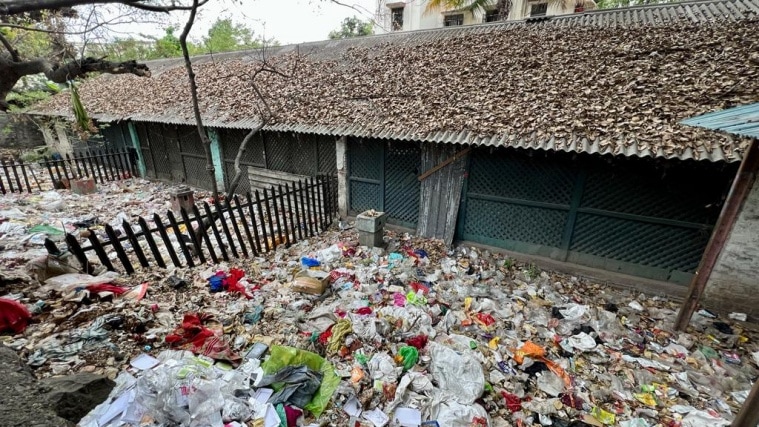
Bengaluru is witnessing delays in property tax payments across several apartment complexes as confusion over bulk waste management charges disrupts compliance, exposing gaps in civic communication and urban service integration.
The issue has brought attention to the complexities of municipal billing systems and their impact on revenue collection in one of India’s fastest-growing cities.Residents and housing associations have raised concerns over unclear calculations and inconsistencies in the application of waste management fees, which are now being linked to property tax payments. The lack of clarity has led many apartment communities to hold back payments, awaiting resolution from civic authorities. This situation underscores the challenges of implementing user-based charges in dense urban environments where multiple stakeholders are involved.The Bengaluru property tax system is a critical source of revenue for urban governance, funding essential services such as waste management, road maintenance, and public infrastructure. Disruptions in tax collection can have cascading effects on city operations, particularly at a time when demand for civic services is increasing alongside population growth. Experts note that ensuring transparency and simplicity in billing is essential to maintaining compliance and public trust.The introduction of bulk waste charges reflects a broader shift towards decentralised waste management, where large residential complexes are expected to take greater responsibility for processing their waste.
While this aligns with sustainability goals, its implementation has revealed gaps in policy communication and execution. Apartment associations argue that unclear guidelines and varying interpretations have created confusion, making it difficult to assess liabilities accurately.Urban planners highlight that integrating environmental charges into existing tax frameworks requires careful design. Clear documentation, standardised fee structures, and accessible grievance redressal mechanisms are necessary to ensure smooth adoption. Without these, well-intentioned policies risk facing resistance from citizens, delaying both compliance and environmental outcomes.The situation also points to the growing importance of digital governance systems in urban administration. Online tax platforms and automated billing systems must be designed to minimise ambiguity and provide real-time clarity to users. Strengthening these systems can help cities manage complex service linkages more effectively while improving user experience.From a sustainability perspective, the linkage between property tax and waste management charges is part of a broader effort to encourage responsible consumption and reduce landfill dependency. However, experts caution that policy success depends on balancing environmental objectives with affordability and administrative ease.
As Bengaluru works to resolve the current confusion, the focus is likely to shift towards refining policy implementation and improving stakeholder communication. Ensuring clarity in the Bengaluru property tax framework will be essential not only for maintaining revenue flows but also for advancing the city’s long-term sustainability and governance goals.
Also Read:Bengaluru Mumbai Sleeper Train Enhances Intercity Connectivity
