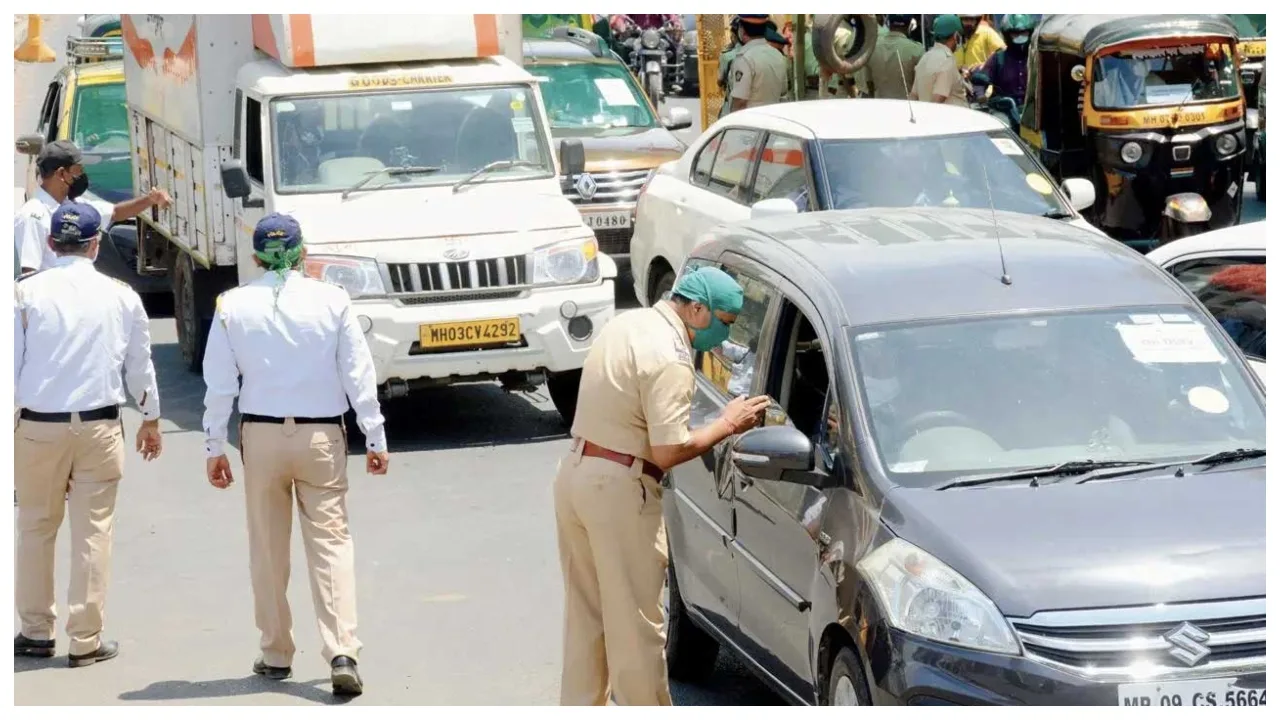
Delhi Traffic Challan Rules Push Digital Compliance
Delhi has rolled out a stricter compliance framework for traffic violations, introducing defined timelines, digital dispute mechanisms, and escalating penalties to improve road discipline and administrative efficiency. The revised Delhi traffic challan rules aim to curb habitual violations while strengthening enforcement systems in one of India’s most congested urban regions, where traffic management directly affects air quality, mobility, and public safety.
At the core of the new system is a structured timeline that limits delays in both payment and dispute resolution. Motorists now have a fixed window to respond to a challan either by settling the penalty or formally contesting it through a designated digital platform. Failure to act within this period results in automatic acceptance of the violation, followed by additional time-bound penalties. Urban governance experts say such timelines could reduce administrative backlogs and encourage behavioural compliance among road users. The policy also introduces a mandatory pre-litigation process. Citizens seeking to challenge penalties must first utilise an online grievance mechanism before approaching courts. If the dispute escalates legally, a partial deposit of the fine becomes necessary. According to legal analysts, this provision may deter frivolous appeals while streamlining judicial workloads, though it also raises questions around accessibility for lower-income motorists.
A key feature of the Delhi traffic challan rules is the integration of digital enforcement tools. Surveillance cameras, automated number plate recognition systems, and on-ground enforcement are being combined to generate real-time violations. Authorities are expected to issue electronic notices within days, significantly reducing reliance on manual processes. Urban planners note that digitisation can improve transparency and reduce discretion, which has historically been a concern in traffic enforcement. Non-compliance now carries broader consequences beyond monetary penalties. Vehicles with unresolved dues may face restrictions on essential services such as registration transfers, tax payments, and licence renewals. In extreme cases, enforcement agencies may immobilise or impound vehicles. These measures, officials suggest, are designed to close loopholes that previously allowed violators to evade penalties for extended periods. The framework also identifies repeat offenders as a critical risk group. Individuals exceeding a specified number of violations within a year could face suspension or cancellation of driving privileges. Road safety advocates view this as a necessary deterrent in a city where repeat offences contribute significantly to accidents and congestion.
Beyond enforcement, the shift has implications for sustainable urban mobility. Improved compliance can ease traffic flow, reduce idle emissions, and enhance pedestrian safety key elements in building climate-resilient cities. However, experts emphasise that enforcement must be complemented by better public transport, safer street design, and citizen awareness. As Delhi transitions to a more technology-driven regulatory model, the effectiveness of the Delhi traffic challan rules will depend on consistent implementation, public acceptance, and the city’s ability to balance enforcement with inclusive mobility solutions.