


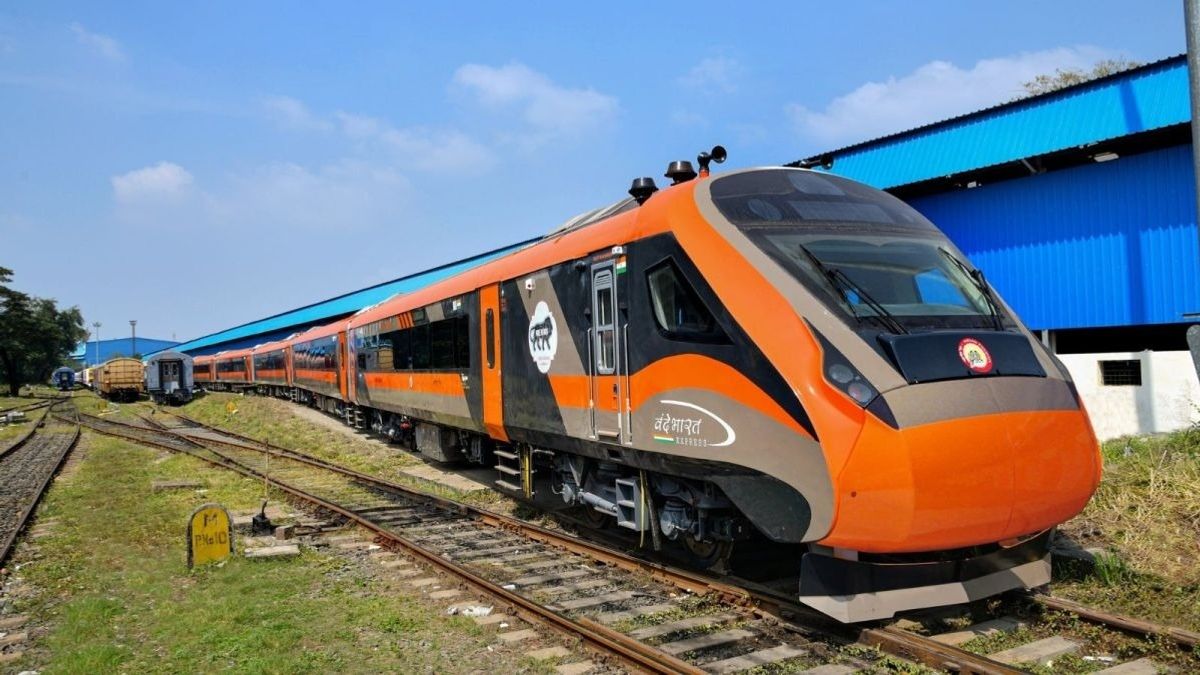
A proposed sleeper train service between Bengaluru and Mumbai is set to enhance long-distance rail connectivity, offering a faster and more comfortable travel option across two of India’s key economic centres.
The planned route, expected to pass through northern Karnataka, reflects a broader push to upgrade intercity mobility while addressing growing demand for efficient and reliable transport infrastructure.The introduction of a sleeper variant on this high-speed corridor marks a shift in how rail services are being designed to cater to longer journeys. By combining speed with overnight travel comfort, the service is expected to appeal to both business and leisure travellers, potentially reducing reliance on air and road transport for intercity movement. Improved rail connectivity between Bengaluru and Mumbai could also strengthen economic linkages, facilitating smoother movement of people and services.From an urban development perspective, the new service highlights the importance of integrated regional connectivity in supporting city growth. Bengaluru’s expanding technology and industrial sectors, coupled with Mumbai’s role as a financial hub, create significant demand for frequent and efficient travel between the two cities. Enhancing this corridor can contribute to economic productivity while easing congestion on alternative transport modes.The inclusion of intermediate regions along the route is expected to bring additional benefits, improving access to emerging urban centres and supporting balanced regional development. Infrastructure experts note that such connectivity projects can stimulate local economies by improving access to markets, employment opportunities, and services.
This aligns with broader national efforts to strengthen tier-two and tier-three city integration into larger economic networks.Sustainability considerations also play a role in the growing emphasis on rail-based mobility. Compared to road and air travel, rail transport offers a lower carbon footprint per passenger, making it a key component of climate-conscious urban and regional planning. Expanding high-quality rail services can help shift travel behaviour towards more sustainable modes, particularly for medium- to long-distance journeys.However, the success of the proposed service will depend on execution factors such as punctuality, affordability, and seamless integration with local transport systems at both ends. Ensuring last-mile connectivity and efficient station infrastructure will be critical to maximising the benefits of the new route.Urban planners suggest that investments in modern rail services must be complemented by broader infrastructure upgrades, including station redevelopment and multimodal transport integration. Such measures can enhance the overall travel experience and support the long-term viability of rail as a preferred mode of intercity transport.
As the Bengaluru–Mumbai corridor prepares for this mobility upgrade, the focus will be on delivering a service that balances speed, comfort, and sustainability. The initiative represents a step towards more connected and resilient urban regions, where efficient transport networks underpin economic growth and improved quality of life.
Also Read:Bengaluru Water Crisis Highlights Urban Supply Challenges
Bengaluru Mumbai Train Boosts Intercity Connectivity
