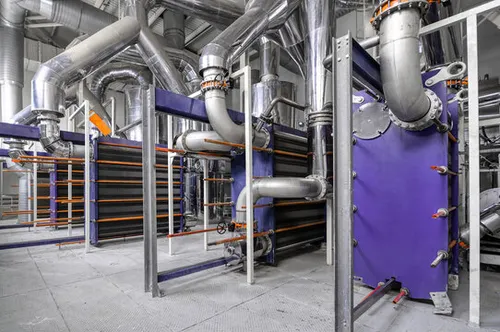
Pune Chakan Gains New Heat Transfer Manufacturing Base
Pune’s Chakan industrial corridor is set to add another manufacturing facility, with a new wholly owned plant planned for production of heat-transfer equipment serving markets across the Asia Pacific region. The development strengthens Chakan’s role as a manufacturing hub while shifting part of a regional supply chain closer to its end markets, with implications for industrial employment, logistics demand and the supporting infrastructure around Pune.
The facility will manufacture heat-transfer products locally rather than relying entirely on production from other regional locations. Such localisation can reduce transportation distances, shorten delivery cycles and provide manufacturers with greater control over inventory and supply planning when international logistics face disruption. The decision also reflects the wider industrial transformation taking place around Chakan. Pune’s northern manufacturing belt has developed into a major concentration of automotive, engineering and industrial activity. Its proximity to highways, logistics networks and established supplier clusters has made the area attractive for companies seeking access to both domestic and export markets. For the regional economy, a new industrial operation can generate activity beyond the factory boundary. Demand may rise for warehousing, freight services, equipment maintenance, engineering support and other specialised services. Employment effects will depend on the plant’s eventual scale and staffing requirements, but manufacturing investments typically create indirect economic activity across connected supply chains.
The facility’s location also brings infrastructure considerations into focus. Chakan has experienced rapid industrial and residential growth, placing pressure on road capacity, public transport, utilities and freight movement. Additional manufacturing capacity can strengthen the local economy, but its long-term benefits will depend on whether surrounding infrastructure keeps pace with industrial expansion. Heat-transfer equipment itself has a significant role in modern industrial systems. Such products are used to manage and remove heat in a range of applications, including industrial processes and cooling systems. As Indian cities and businesses face rising cooling requirements, equipment that supports efficient thermal management could become increasingly important for energy and resource use. The local plant is expected to manufacture products according to the company’s established engineering and quality requirements. It will also provide regional technical support, potentially reducing dependence on overseas assistance for customers operating in nearby markets.
From a sustainability perspective, local manufacturing does not automatically translate into lower environmental impact. The eventual footprint will depend on the plant’s energy mix, water use, waste management, material efficiency and freight patterns. Locating production closer to customers can reduce some transport requirements, but industrial growth must also be matched by efficient resource management. For Pune, the development adds another layer to Chakan’s expanding industrial economy. The immediate opportunity lies in strengthening manufacturing and supply-chain resilience. The longer-term test will be ensuring that industrial growth is supported by reliable infrastructure, skilled employment and resource-efficient operations without increasing pressure on the surrounding urban environment.