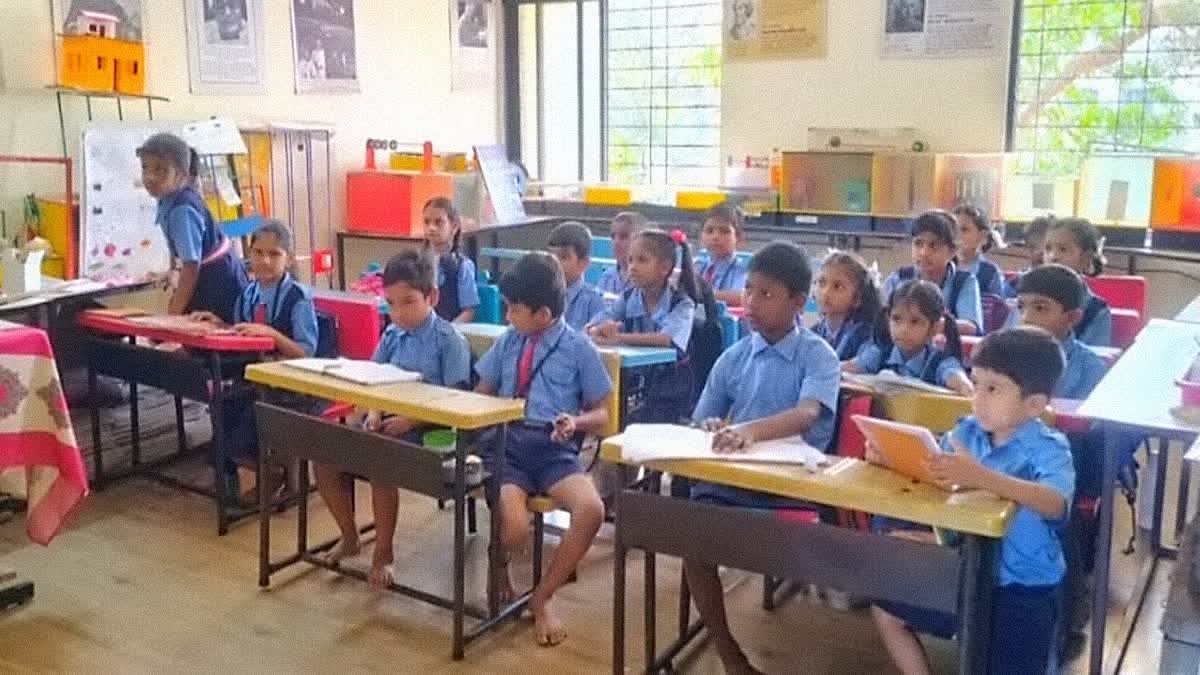
Maharashtra Pushes Faster Fixes For Zilla Parishad Schools
Maharashtra has set a one-month deadline to address basic infrastructure gaps in Zilla Parishad schools, putting drinking water, sanitation, electricity and classroom conditions at the centre of a statewide review. The initiative comes with instructions for physical inspections and school-level classification, signalling an attempt to move beyond administrative records and establish whether rural students have access to the facilities needed for a safe learning environment. The rural school infrastructure review will divide schools into four categories based on the facilities available on the ground. Officials have been asked to physically verify drinking water, toilets, power supply and classroom conditions, with an initial assessment report expected within eight days.
Separate sanitation facilities for girls, reliable water supply, usable classrooms and dependable electricity are among the indicators being prioritised. Schools without basic water or toilet facilities are expected to receive immediate attention rather than wait for a broader infrastructure programme. The approach is important because infrastructure shortages in rural schools can affect attendance, health and learning outcomes. Sanitation is particularly relevant for adolescent students, while unreliable electricity can restrict classroom use, digital learning and administrative operations. From an urban-rural equity perspective, improving rural school infrastructure can also reduce disparities in the quality of public services available to children based on where they live. The government plans to enable Gram Panchayat funds to be used on a priority basis for essential works such as water and sanitation. This could allow smaller deficiencies to be addressed locally rather than waiting for larger departmental projects. However, local funding will need clear accountability so that spending reflects actual school-level requirements and does not create uneven standards between districts.
Another element of the exercise is data verification. Zilla Parishad chief executive officers have been directed to visit schools and compare physical conditions with information recorded in the U-DISE education database. Accurate data is critical for infrastructure planning because incomplete records can distort funding priorities and make it difficult to identify schools that require urgent intervention. The state also plans to develop a standard operating procedure for school infrastructure, creating a common framework for assessing and maintaining facilities. Responsibility for monitoring implementation will rest with senior Zilla Parishad officials, while coordination between Gram Panchayats, headteachers, Gram Sevaks and block-level development officials is expected to support delivery. For rural communities, the programme could have benefits beyond classrooms. Better sanitation, water access and electricity improve the basic public-service environment around schools and can strengthen local confidence in government education systems. Community participation through Gram Sabhas may also provide a mechanism for identifying problems that routine administrative reviews miss.
The immediate challenge is execution. A short deadline can accelerate repairs, but lasting improvement will require maintenance budgets, regular inspections and transparent tracking of unresolved deficiencies. The success of Maharashtra’s rural school infrastructure push will ultimately depend on whether schools remain functional and safe after the initial upgrade cycle ends.