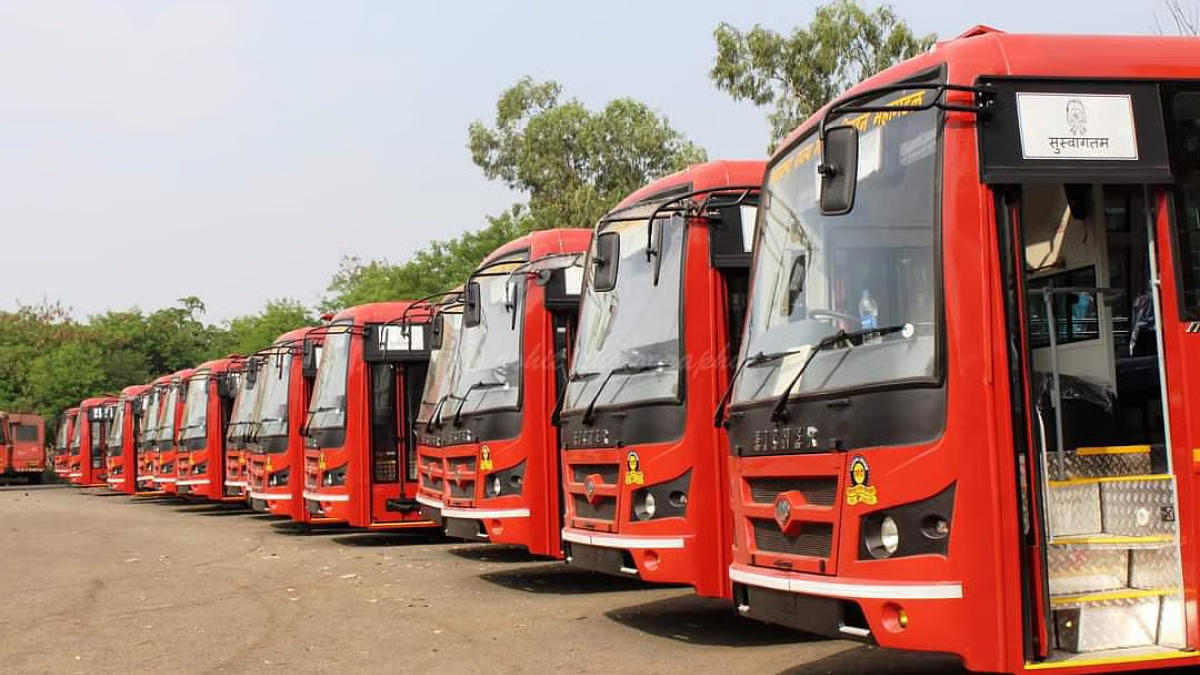
Mumbai MSRTC Facilities Set For Three Year Upgrade
Mumbai’s public transport infrastructure is set for a three-year facility management programme after the Maharashtra State Road Transport Corporation awarded a work order worth about ₹134 crore. The contract covers allocated MSRTC facilities in Mumbai and Chhatrapati Sambhaji Nagar, with services focused on day-to-day upkeep rather than expanding buses, routes or passenger capacity. The work order, issued on August 18, covers integrated facility management services across the two regions. The scope includes housekeeping, sanitation, technical maintenance and allied support functions, according to disclosures around the contract. The total value includes applicable taxes and the agreement is scheduled to run for three years.
For commuters, the significance is less about a visible transport expansion and more about the condition of the infrastructure they already use. Better-maintained premises can improve cleanliness, sanitation and basic passenger experience, particularly at busy bus facilities where high daily footfall places continuous pressure on public amenities. However, the contract should not be confused with an investment in new transport capacity. It does not provide additional buses, create routes or directly reduce fares. The available contract disclosure also does not identify individual Mumbai locations, staffing levels or the precise deployment schedule. That makes implementation and monitoring important measures of whether the spending translates into a noticeable improvement for passengers. Facility maintenance is often treated as a secondary part of transport planning, but poor upkeep can undermine the value of larger infrastructure investments. Damaged facilities, inadequate sanitation or unreliable technical systems can affect accessibility, safety and public confidence even when the underlying transport service remains operational.
The arrangement also reflects a wider shift towards outsourcing specialised support functions within public infrastructure. For transport authorities, such contracts can provide dedicated operational capacity, but performance standards need to be measurable. Service-level targets, inspection mechanisms, complaint handling and transparent reporting can help ensure that public expenditure produces consistent results rather than short-term improvements. There is also an environmental dimension. Efficient maintenance can reduce avoidable material replacement, improve waste handling and extend the useful life of existing facilities. In a city attempting to make public transport more attractive relative to private vehicles, the quality of supporting infrastructure matters alongside fleet size and route coverage. The Mumbai MSRTC facilities covered by the contract will therefore become a practical test of whether better management can improve the everyday public transport experience. The outcome should be assessed through cleanliness, reliability, accessibility and passenger feedback rather than the contract value alone.
For Mumbai, the immediate priority is effective delivery. If maintenance standards remain consistent across the three-year period, the programme could strengthen the supporting infrastructure around an existing public transport network without requiring major new construction.