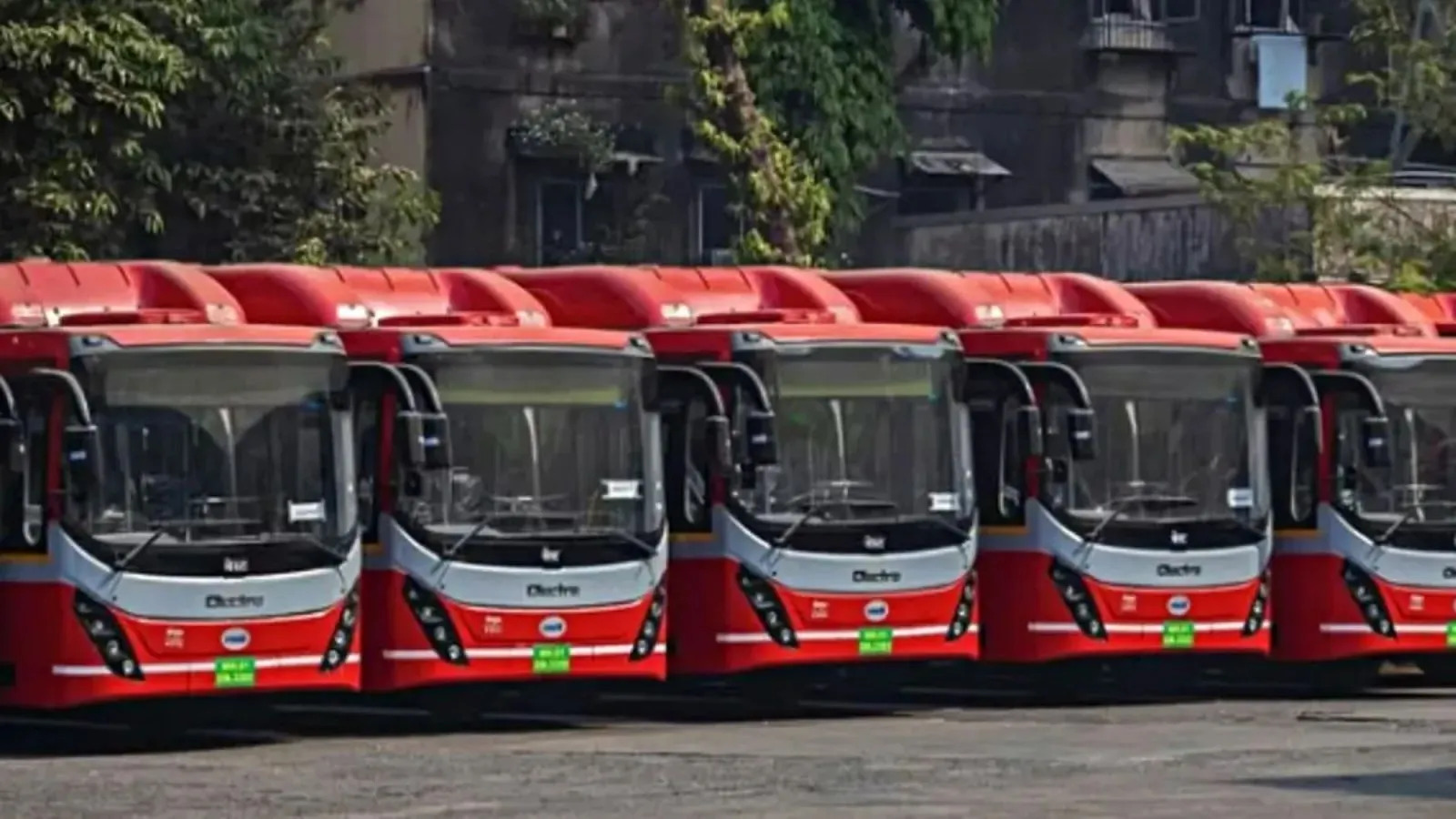
Mumbai Bus Electrification Exposes Gaps For Drivers
Mumbai’s shift towards electric public transport is changing more than the vehicles on its roads. The transition is also reshaping how bus services are staffed, operated and maintained, with concerns over contractual employment, working conditions and operational safety emerging alongside the city’s decarbonisation push. For a network carrying millions of passengers, the challenge is increasingly about ensuring that cleaner mobility does not come at the cost of a less secure workforce. The electric bus transition has accelerated through wet-lease contracts, under which private operators typically provide buses and manage their operation and maintenance while the public transport authority pays according to kilometres operated. The arrangement can reduce the upfront financial burden of purchasing and maintaining an electric fleet, but it also changes the employment structure behind daily bus services.
A significant share of Mumbai’s electric buses operates through this contractual framework. Drivers working under such arrangements have raised concerns over wages, job security, leave, workplace facilities and deductions. Worker representatives have also demanded greater parity between contractual staff and permanent employees, arguing that driving remains a core and continuous function of the city’s bus network. The issue has become particularly relevant as the electric bus transition gathers pace. Mumbai has set an ambitious direction for fleet electrification, but the environmental gains depend on reliable daily operations. Electric buses can reduce tailpipe emissions and contribute to cleaner urban mobility, yet their climate benefits are weakened if staffing shortages, high turnover or inadequate maintenance affect service reliability. Safety is another important consideration. Industry and transport observers have pointed to the need for stronger preventive maintenance and tighter oversight of contracted operations.
Electric vehicles require different maintenance systems from conventional buses, including attention to battery systems, charging infrastructure and specialised technical equipment. These requirements make workforce training and operational supervision increasingly important. For passengers, labour conditions are not a separate issue from service quality. Long shifts, inadequate rest, staff shortages or high employee turnover can affect punctuality, driver alertness and the availability of buses. Women workers also require safe and accessible changing, sanitation and welfare facilities at depots. The debate comes as Mumbai seeks to expand low-emission public transport while maintaining affordable and dependable mobility. Urban transport specialists say future contracts will need measurable standards covering worker welfare, safety, maintenance, training and service reliability rather than focusing only on vehicle numbers or kilometres operated.
The next phase of electrification therefore presents a broader test for Mumbai. A genuinely sustainable bus system will need to reduce emissions while also protecting the people who operate it and ensuring that passengers receive a dependable public service.