Pune Monsoon Flooding Raises Mosquito Disease Concerns
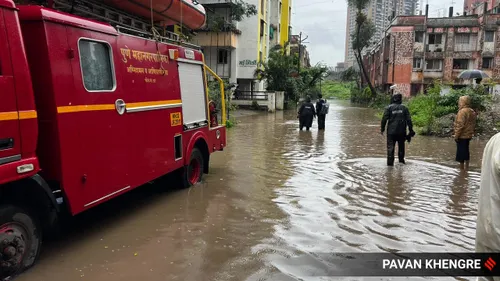
Pune’s prolonged spell of rain and recurring waterlogging is creating conditions that could intensify mosquito-borne disease risks, with 111 confirmed dengue cases and 137 chikungunya cases recorded across the district. Health authorities have reported no deaths from either illness, but the combination of standing water, construction activity and blocked drainage is putting renewed pressure on the city’s public-health systems.
The immediate concern is mosquito breeding. Pools of stagnant rainwater can collect in potholes, low-lying plots, discarded containers and construction debris, allowing mosquitoes to multiply. Open or clogged drains and unmanaged waste can add to the problem, particularly where rainfall repeatedly overwhelms local drainage capacity. The Pune dengue cases reported so far point to a health risk that extends beyond individual households. Mosquito-borne diseases can place additional demands on clinics and hospitals when transmission rises. Symptoms such as high fever, severe body aches and weakness can also affect workers, students and other residents who may already face disruption from monsoon conditions. Urban construction is another factor requiring closer attention. Excavation sites, uncovered materials and temporary water-storage areas can become breeding points when contractors do not remove accumulated water. Urban planners and public-health specialists have increasingly stressed that disease prevention must be incorporated into routine construction and drainage management rather than treated as a seasonal response.
The city’s response has included mosquito-control measures such as fogging in affected neighbourhoods. However, fogging alone cannot address every breeding location. Eliminating standing water, maintaining drains, improving waste collection and inspecting construction sites are equally important if mosquito populations are to be controlled over several weeks. The health situation also highlights the connection between climate resilience and urban infrastructure. Prolonged rainfall can expose weaknesses in drainage networks, while poorly maintained public spaces can retain water long after rainfall stops. Better stormwater management can therefore serve two purposes: reducing flood exposure and limiting environments where disease-carrying mosquitoes breed. Alongside dengue and chikungunya, H1N1 infections are also being monitored in the wider health system. The overlap of multiple seasonal illnesses makes early detection and timely medical care more important, particularly during periods when rain disrupts mobility and access to healthcare.
For residents, preventive measures remain important, including removing standing water around homes, keeping water containers covered and seeking medical advice when persistent fever or other concerning symptoms develop. For Pune, however, the larger challenge is structural. Pune dengue cases cannot be addressed only through emergency fogging once infections rise. Sustained drainage maintenance, responsible construction practices, cleaner public spaces and stronger disease surveillance are needed to make the city more resilient to both monsoon flooding and the health risks that can follow.