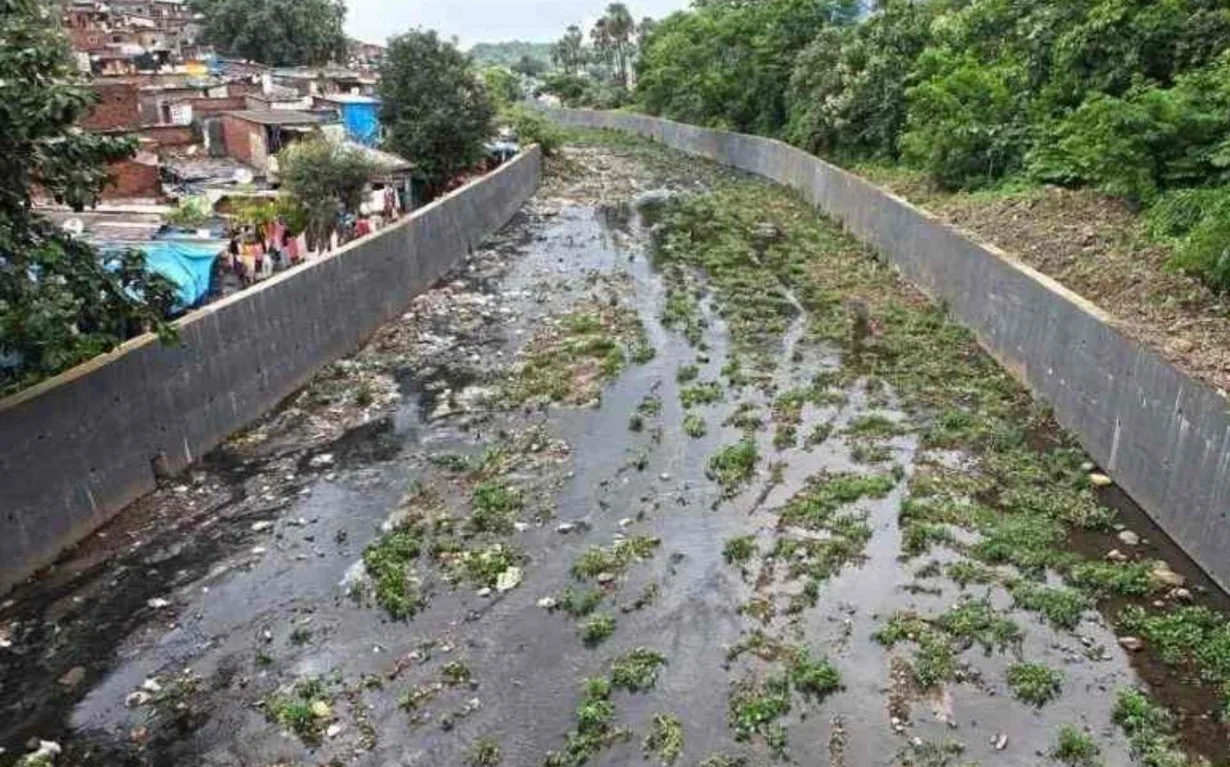
Mumbai River Restoration Project Expands Sewage Network
Mumbai has formally opened the first phase of the Dahisar River restoration programme, marking a significant step in the city’s broader effort to reclaim polluted urban waterways and strengthen climate resilience infrastructure. The project, implemented in the city’s north-western suburbs, combines sewage diversion, riverfront improvement and drainage upgrades to address long-standing concerns around flooding, untreated wastewater and ecological degradation. The initial phase focuses on restoring nearly five kilometres of the Dahisar River corridor while expanding underground sewer connectivity across surrounding neighbourhoods. Civic officials said the intervention is intended to reduce the direct discharge of untreated sewage into the river, which has historically functioned as both a stormwater channel and an informal wastewater carrier.
Urban planners view the Mumbai river rejuvenation effort as part of a wider shift in how Indian cities are approaching water infrastructure. Instead of relying solely on large drainage projects, municipalities are increasingly investing in integrated river restoration systems that combine environmental repair with urban utility upgrades. The Dahisar River flows through densely populated residential areas before meeting the Arabian Sea, making water quality and flood management a critical concern for nearby communities. Experts have repeatedly highlighted that unchecked sewage inflows, encroachments and construction debris have weakened the carrying capacity of several rivers and nullahs across Mumbai over the past two decades. As part of the current intervention, authorities have laid new sewer lines linked to sewage treatment infrastructure designed to intercept wastewater before it reaches the river channel. Environmental engineers involved in similar projects say decentralised treatment systems are becoming essential for rapidly urbanising regions where ageing drainage networks are unable to manage rising wastewater volumes. The Mumbai river rejuvenation programme also arrives at a time when the city is facing increasing climate vulnerability. Intense rainfall events linked to changing monsoon patterns have amplified urban flooding risks, particularly in low-lying suburban stretches intersected by rivers and creeks.
Urban development analysts note that restoring natural waterways can improve flood absorption capacity while creating ecological buffers within high-density neighbourhoods. River restoration projects are also increasingly being linked to public space improvements, biodiversity recovery and heat mitigation strategies in congested metropolitan areas. However, experts caution that long-term success will depend on sustained maintenance, strict monitoring of sewage discharge and preventing fresh encroachments along riverbanks. Several earlier river-cleaning initiatives in Indian cities have struggled due to fragmented governance and inadequate enforcement mechanisms after initial construction phases were completed. Municipal officials indicated that the Dahisar model could influence future restoration efforts for other polluted waterways across Mumbai, including the Poisar, Oshiwara and Mithi river systems, where infrastructure stress and water contamination continue to affect surrounding communities.
With urban expansion intensifying across the Mumbai Metropolitan Region, planners believe river restoration projects will increasingly shape the future of climate-resilient infrastructure, especially in cities balancing redevelopment pressures with environmental sustainability and public health priorities.