


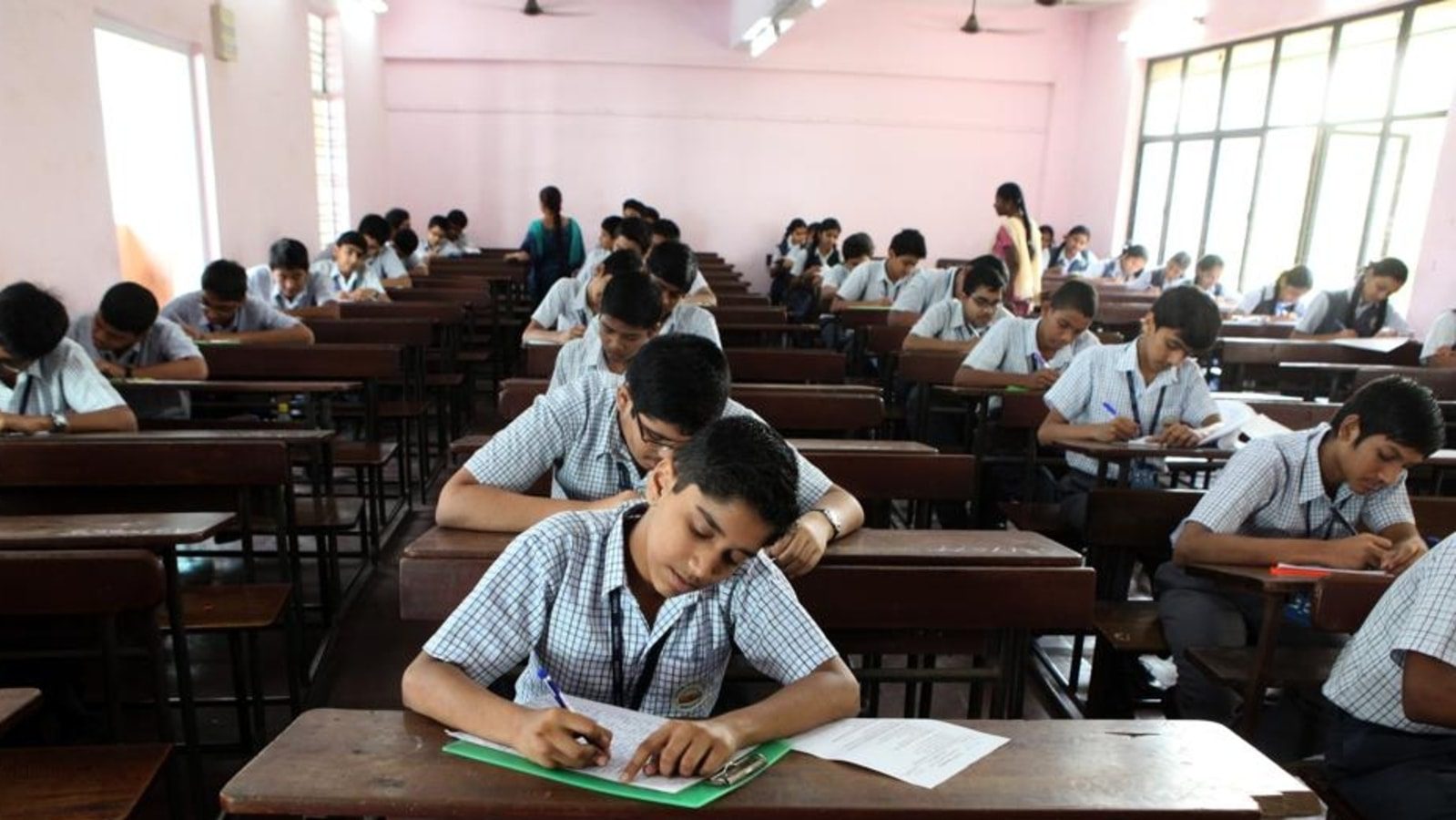
Strong participation in a major undergraduate entrance examination conducted across Bengaluru and other centres has highlighted the continuing demand for professional education opportunities linked to India’s expanding technology and engineering economy.Officials overseeing the COMED-K undergraduate entrance test reported an estimated 85 percent turnout, reflecting sustained student interest in engineering and allied professional courses despite growing debates around employability, skill alignment, and the future of higher education.
Education planners say Bengaluru remains central to India’s private technical education ecosystem due to its concentration of engineering institutions, technology firms, research centres, and startup networks. The city continues attracting students from multiple states seeking access to employment pathways associated with the broader digital and innovation economy.The Bengaluru entrance exam participation trend also reveals the increasing pressure on urban education infrastructure as demand for professional qualifications continues to rise.Experts note that higher education hubs such as Bengaluru now influence migration patterns, housing demand, public transport usage, and local economic activity far beyond campus boundaries.Urban researchers argue that educational ecosystems play an important role in shaping metropolitan growth. Student populations contribute significantly to rental markets, mobility networks, co-living spaces, retail economies, and emerging knowledge corridors within expanding cities.At the same time, education specialists caution that rising enrolment demand must be matched by improvements in academic quality, industry relevance, and equitable access. India’s engineering education sector has faced increasing scrutiny over skill gaps, uneven institutional standards, and graduate employability outcomes.The strong turnout for the examination also reflects wider societal pressures surrounding competitive education pathways.
Analysts say professional entrance tests continue to shape the aspirations of millions of students navigating an increasingly technology-driven labour market.The Bengaluru education ecosystem is further evolving alongside changes in emerging industries such as artificial intelligence, semiconductor manufacturing, clean technology, and digital infrastructure.Institutions are expected to face growing pressure to adapt curricula and research capacity to align with shifting economic priorities.Urban policy experts also point out that expanding education hubs require stronger planning support in areas such as public transport, affordable student accommodation, digital infrastructure, and sustainable campus development. Bengaluru’s rapid urban expansion has intensified concerns around commute times, rising living costs, and uneven civic infrastructure affecting student populations.Environmental planners increasingly advocate for greener and more climate-responsive educational infrastructure, including energy-efficient campuses, integrated public transit access, and reduced dependency on private vehicle commuting.For Bengaluru, the high participation levels in professional entrance examinations reinforce the city’s enduring role as a national education and innovation centre.
However, experts say sustaining that position will depend not only on academic capacity but also on whether the city can provide inclusive, liveable, and infrastructure-ready urban conditions for future generations of students and workers.As India’s knowledge economy expands, the relationship between education systems and urban development is expected to become even more closely interconnected.
Also Read: Bengaluru Green Infrastructure Faces Climate Stress Test
